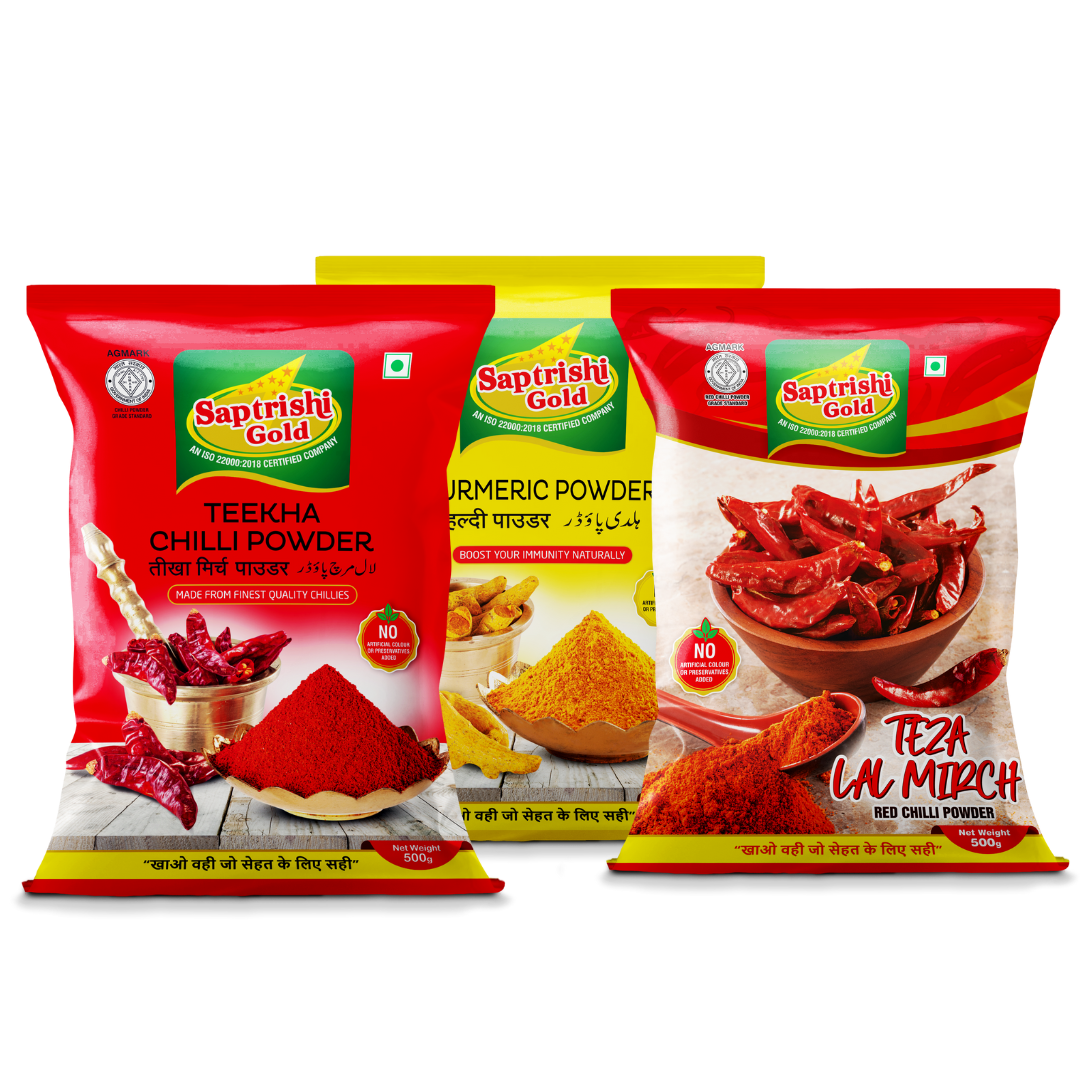
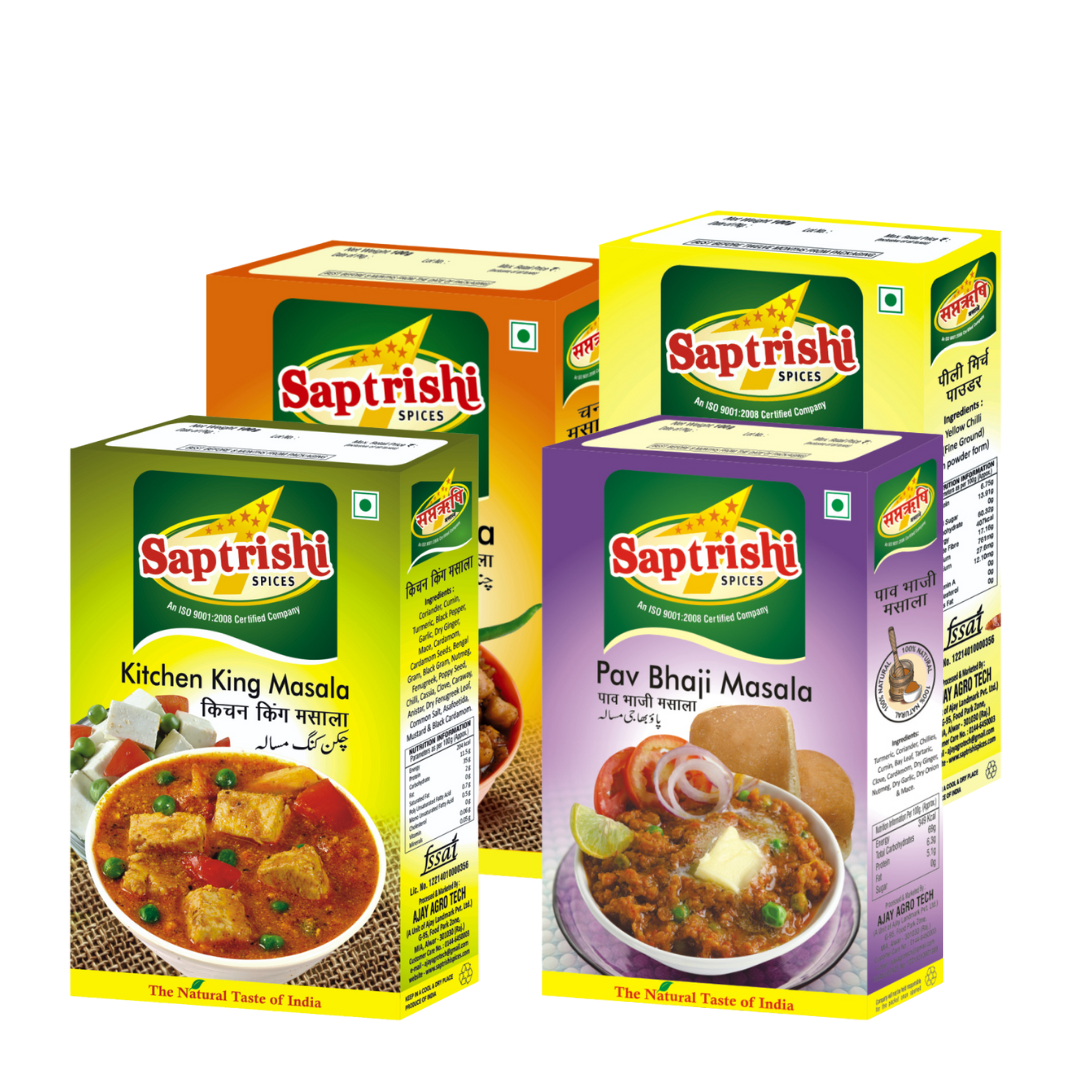
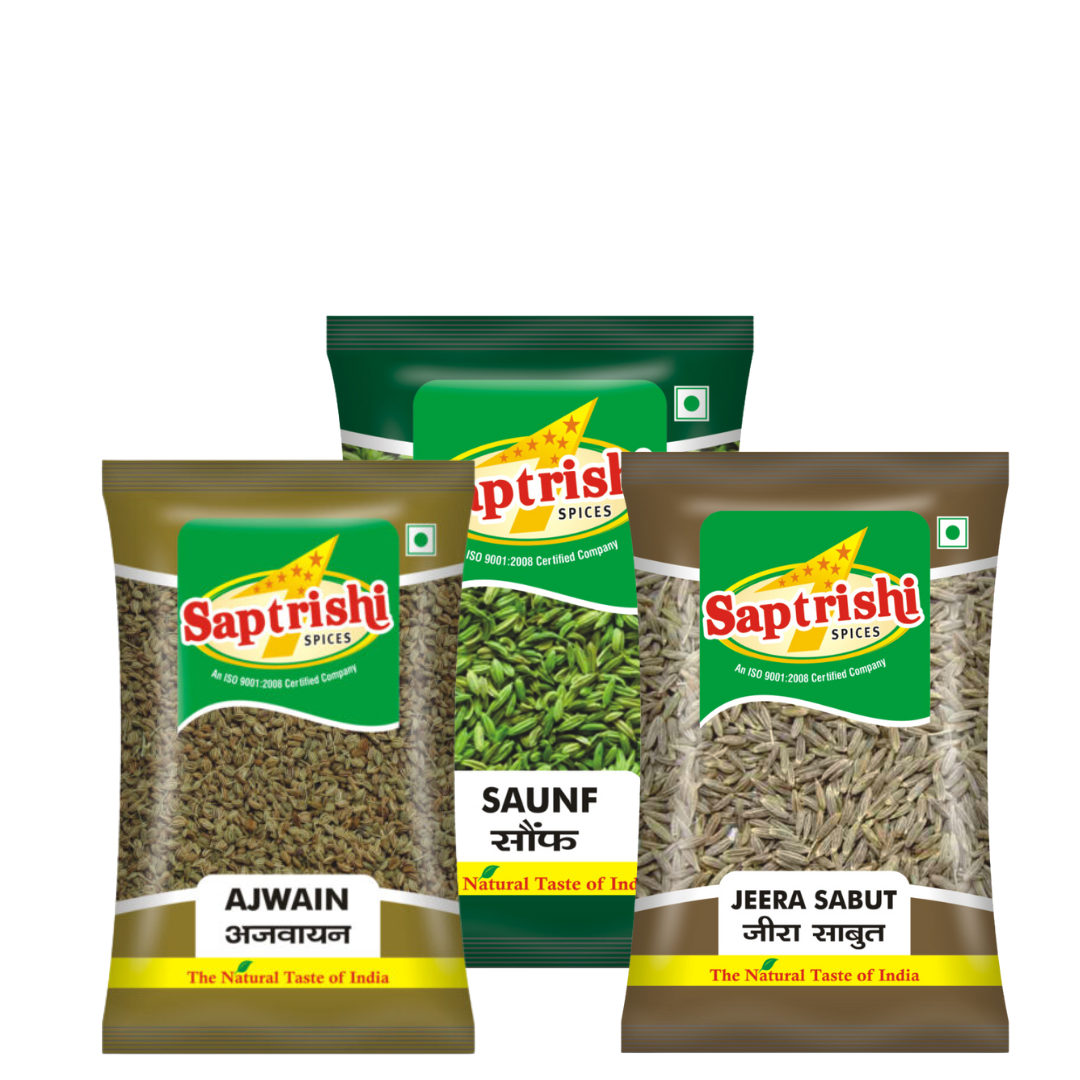
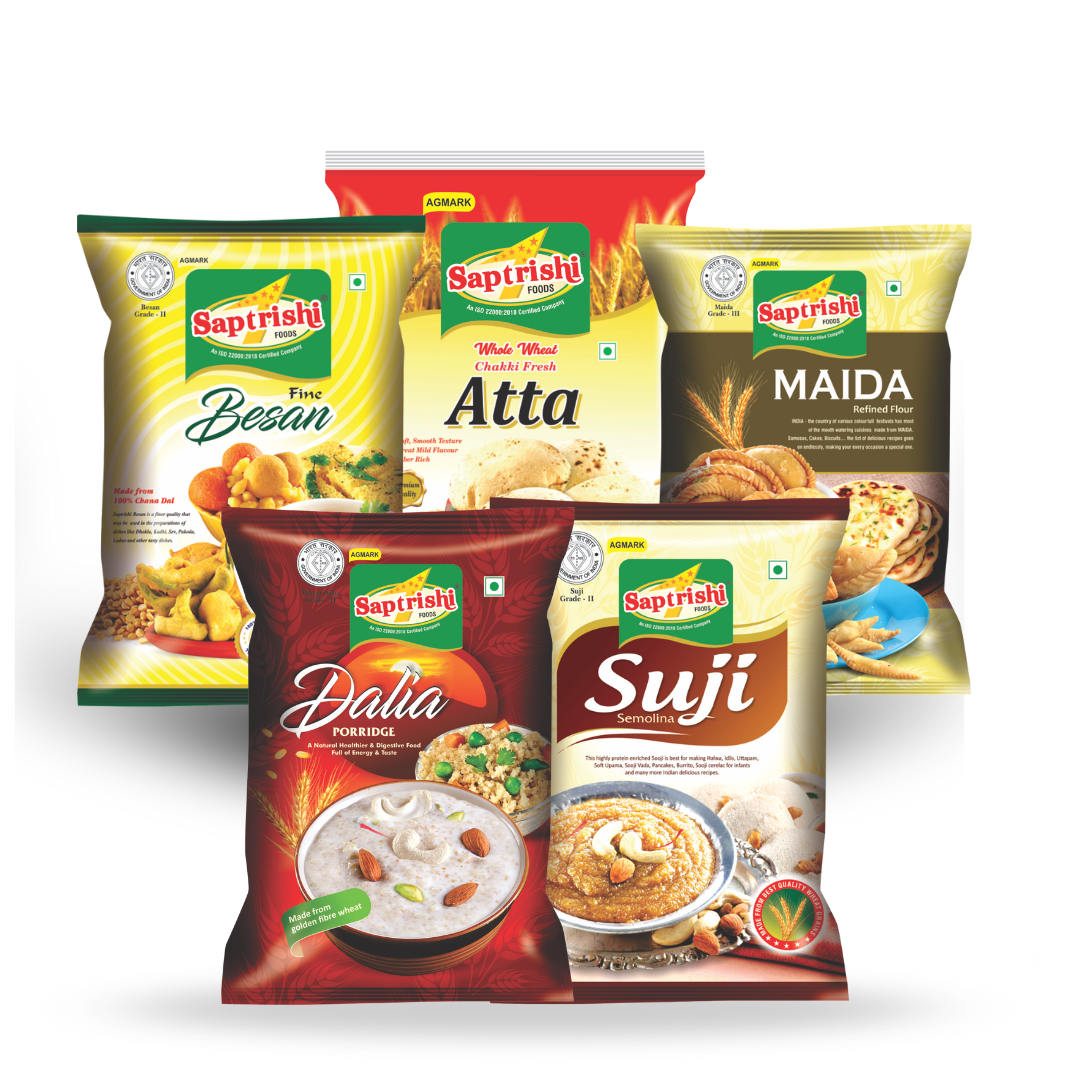


When you begin your journey into the vibrant world of Indian cuisine, you quickly realize that the secret to a memorable dish lies in the balance of spices. Among the 'big three' of Indian ground spices—turmeric, chili, and coriander—it is often the coriander that performs the most critical, yet subtle, role. If you want to use coriander powder for curry successfully, you must understand that it acts as the aromatic glue holding the dish together. Unlike the heat of chili or the color of turmeric, coriander provides a woody, citrusy depth that thickens the gravy and harmonizes contrasting flavors. For a beginner cook, mastering this single spice is the fastest way to transition from 'making food' to 'crafting an authentic Indian experience.' At Saptrishi Foods, we believe that purity is the foundation of this experience. Rooted in traditional Rajasthani wisdom and a commitment to chemical-free nutrition, our spices are designed to bring the 'Seven Sages' (Saptrishi) philosophy of purity and health into your modern kitchen.

The Role of Coriander in Flavor Profiles
Coriander powder, derived from the dried seeds of the *Coriandrum sativum* plant, is more than just a seasoning. In a professional kitchen, it is treated as a foundational element. Its primary function is to provide a base. When you use coriander powder for curry, you are adding a mild sweetness and a hint of citrus that cuts through the richness of fats like ghee or oil. This spice is also known for its cooling properties in Ayurveda, making it an essential counterpoint to the heat of red chilies. Because it contains natural oils that are volatile, the quality of the powder matters immensely. Mass-produced spices often lose these oils during high-heat industrial grinding, resulting in a dull, sawdust-like powder. In contrast, Saptrishi Foods utilizes processes that retain these essential oils, ensuring that every spoonful you add to your pot is brimming with the authentic aroma of the fields of Rajasthan.
Professional Secrets: How to Use Coriander Powder for Curry
To elevate your cooking, you must move beyond simply 'dumping' spices into a pot. The timing and temperature at which you introduce your spices determine the final character of your gravy. To truly use coriander powder for curry like a professional, follow these structured steps designed for beginner cooks who want consistent results.
1. The Tempering Phase (Tadka)
While coriander powder is rarely used in the initial oil tempering (where whole seeds like cumin are used), it is vital to introduce it shortly after your aromatics—onions, ginger, and garlic—have softened. If the oil is too hot, the powder will burn, turning bitter. The sweet spot is adding it when your onions have turned a light golden brown. By doing this, the coriander powder absorbs the moisture from the onions and the fat from the oil, creating a concentrated flavor paste.
2. The Ratio Rule
A common mistake for beginners is using too little coriander powder. In a standard Indian curry, the volume of coriander powder used is typically double that of cumin powder or turmeric. This 'bulk' is what gives the curry its body. If you find your curries are too watery or 'thin,' try increasing your coriander measurements. For more detailed instructions on broader applications, you can read our guide on how to use coriander powder in everyday recipes.

3. Sourcing for Purity
The most significant barrier to flavor is adulteration. Many commercial brands use fillers or artificial colors to standardize their products. When you choose Saptrishi Coriander Powder, you are using a product that is lab-tested and 100% chemical-free. This purity isn't just a health benefit; it is a flavor necessity. Pure coriander has a distinct floral note that is completely absent in adulterated versions. Our brand, headquartered in Alwar, Rajasthan, draws from a decade of operational history to ensure that every batch meets a 'Gold' standard of purity, reflecting our army-background roots of discipline and integrity.
Why Quality Matters: The Saptrishi Difference
As an emerging challenger in the Indian spice market, Saptrishi Foods (Saptrishee Gold Spices LLP) understands the growing consumer shift toward packaged, certified products. In an era where health consciousness is at an all-time high, the demand for 'Satvik' and chemical-free ingredients has never been greater. We source our coriander directly from partner farms, ensuring a 'Farm to Fork' transparency that mass-market leaders often struggle to provide. For the conscious homemaker or the traditional purist, this means no more sawdust, no artificial dyes, and no compromise on family health.
When you use coriander powder for curry from a trusted source, you notice the difference in the color—a rich, earthy ochre rather than a synthetic bright yellow. This natural color comes from the high-quality seeds that have been dried correctly under controlled conditions. This attention to detail is what allows Saptrishi to bridge the gap between expensive organic niches and mass-market generic brands, providing 'Mass Premium' quality that is accessible to every middle-class Indian household.

Regional Variations in Spice Application
While the basic method to use coriander powder for curry remains consistent, different regions of India treat the spice with unique nuances. In North India, particularly in Rajasthan and Haryana, coriander powder is often mixed with a little water to form a 'masala paste' before being added to the oil. This prevents the delicate spice from burning and allows it to rehydrate, releasing its floral notes more effectively. In South Indian cuisine, coriander is often paired heavily with coconut, where the powder’s woody notes ground the sweetness of the coconut milk.
For beginner cooks, we recommend starting with the 'Paste Method.' Take two teaspoons of Saptrishi Coriander Powder, half a teaspoon of turmeric, and your desired amount of chili powder. Mix them in a small bowl with two tablespoons of water. When your onions and ginger-garlic paste are ready, pour this slurry in. Cook it until the oil begins to separate from the edges of the masala—a process known as 'Bhuna.' This is the hallmark of a perfectly cooked curry and ensures that the coriander has fully integrated into the sauce.
Common Mistakes to Avoid
Even with the best ingredients, technique is key. Here are the three most common mistakes beginners make when they use coriander powder for curry:
1. Adding it Too Late: Unlike garam masala, which is a finishing spice, coriander powder needs time to cook. If you add it at the very end, the curry will have a raw, 'gritty' texture and an unrefined taste.
2. Using Stale Powder: Coriander loses its potency faster than most spices. Always store your Saptrishi spices in an airtight container away from direct sunlight. If your powder no longer has a strong, pleasant aroma when you open the jar, it's time to replace it.
3. Over-roasting: While you want to cook the spice, you don't want to char it. Always ensure there is enough moisture (from tomatoes, water, or onions) in the pan when adding the powder.
Conclusion: Purity in Every Bite
Mastering Indian cooking is an art that begins with respecting your ingredients. When you choose to use coriander powder for curry from Saptrishi Foods, you aren't just buying a spice; you are investing in a legacy of purity and tradition. Our commitment to chemical-free processing ensures that your journey as a beginner cook is supported by the finest flavors nature has to offer. By following the professional techniques of tempering, using the correct ratios, and sourcing high-quality products, you will soon find that your homemade curries rival the best traditional kitchens. Explore our full range of ground spices and experience the difference that authentic Rajasthani quality brings to your table.