


When it comes to managing digestive discomfort, the debate between Sendha Namak vs. Black Salt for acidity is a common one in Indian households. For centuries, traditional medicine and Ayurveda have utilized these natural salts not just as flavor enhancers, but as therapeutic agents. Acidity, characterized by a burning sensation in the chest and throat, is often the result of an imbalance in the digestive fire. While both Himalayan Pink Salt (Sendha Namak) and Black Salt (Kala Namak) offer unique health benefits, understanding their thermal properties and mineral compositions is essential to choosing the right remedy for your gut.
In this comprehensive guide, we will explore the nuances of these two powerhouses, helping you navigate the complexities of digestive health. Whether you are dealing with chronic acid reflux or occasional bloating, selecting the right salt can make a significant difference. At Saptrishi Foods, we believe in the power of purity, and our mission is to provide you with chemical-free, authentic ingredients that support your journey toward holistic wellness.

Understanding the Basics: Sendha Namak vs. Black Salt for Acidity
To determine which salt is superior for cooling the stomach, we must first look at their origins and how they are processed. Sendha Namak, also known as Saindhava Lavana, is the purest form of salt available. It is mined directly from the Himalayan regions and is completely unprocessed and unrefined. Because it is free from anti-caking agents and environmental pollutants, it is considered highly 'Satvik' in Ayurvedic traditions. You can learn more about its incredible properties in our detailed guide on Sendha Namak benefits.
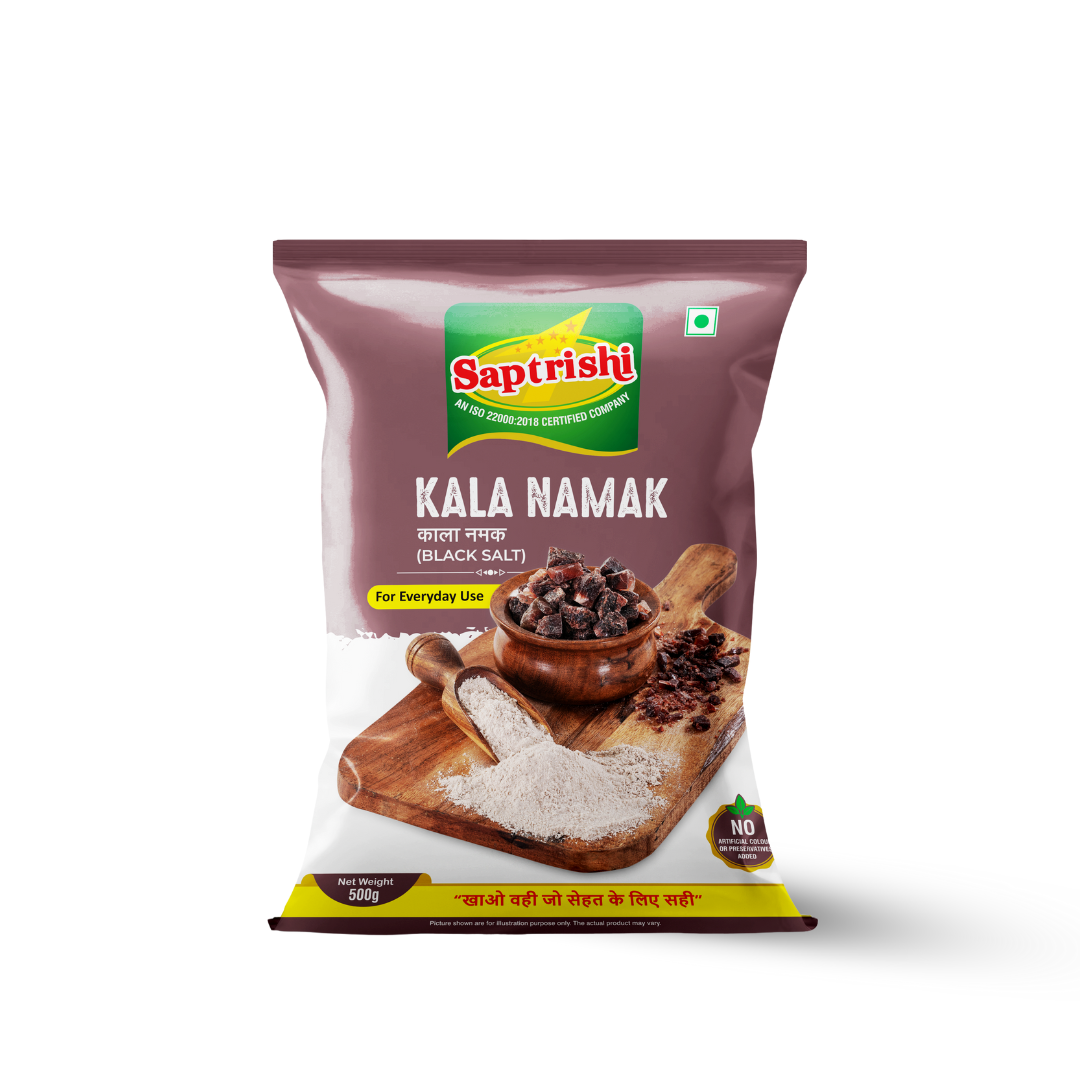
On the other hand, Black Salt or Kala Namak is a kiln-fired rock salt. It starts as Himalayan salt but is heated to extremely high temperatures in a furnace for up to 24 hours while mixed with charcoal and various herbs like Harad (Terminalia chebula) seeds. This transformation gives it a distinct sulfurous aroma and a dark, purplish-black hue. While both originate from the same source, their processing changes their chemical impact on the human body, particularly concerning the 'Pitta' dosha, which governs acidity.
The Cooling Properties of Sendha Namak
In Ayurveda, Sendha Namak is classified as 'Sheeta Virya' or having a cooling potency. This is a rare quality among salts, as most salts are naturally heating. For individuals suffering from hyperacidity (Amlapitta), the cooling nature of Sendha Namak helps neutralize excess stomach acid without causing further irritation. It contains over 84 trace minerals, including potassium, magnesium, and calcium, which act as natural electrolytes to maintain the body’s pH balance. If you are looking for the highest quality, you should consider Saptrishi Sendha Namak for its guaranteed purity and chemical-free processing.

The Digestive Power of Black Salt (Kala Namak)
Black Salt is widely praised for its ability to stimulate the production of bile in the liver, which aids in the digestion of fats. However, its thermal property is 'Ushna' (heating). While this makes it excellent for clearing gas (Vata) and reducing heaviness after a meal (Kapha), it can sometimes be a double-edged sword for those with active acidity issues. The sulfur compounds in Kala Namak act as a potent digestive stimulant, which is why it is a staple ingredient in 'Churna' and digestive candies.
However, when comparing Sendha Namak vs. Black Salt for acidity, the heating nature of Black Salt means it should be used sparingly if you already have a burning sensation in your chest. It is better suited for bloating and flatulence rather than acid reflux. For those with a sensitive stomach lining, the cooling relief provided by Sendha Namak is generally more favorable for long-term management of acid-related symptoms.
Comparing the Mineral Profiles
1. Sodium Levels: Sendha Namak typically has a slightly lower sodium content than regular table salt, which helps in preventing water retention and maintaining blood pressure levels. Black salt also has lower sodium but is rich in iron and magnesium.
2. Sulfur Content: Black salt contains greigite, which gives it that characteristic egg-like smell. While sulfur is good for digestion, in excess, it can cause 'sour burps' in people with high Pitta.
3. Trace Minerals: Sendha Namak is superior in its raw trace mineral count, providing a more balanced approach to cellular health.
How to Use Salts for Digestive Relief
If you are deciding between Sendha Namak vs. Black Salt for acidity, the application matters as much as the salt itself. Here are a few ways to incorporate these salts into your routine for maximum benefit:
* The Morning Flush: Add a pinch of Saptrishi Sendha Namak to lukewarm water with a few drops of lemon. This helps alkalize the body and prevents the buildup of acid throughout the day.
* The Post-Meal Digestif: If you feel heavy or bloated, a small amount of Black Salt mixed with buttermilk (Chaas) and roasted cumin powder can help move food through the digestive tract faster.
- The Instant Relief Remedy: For acute acidity, take a small piece of ginger, dip it in Sendha Namak, and chew it slowly. The combination of ginger’s anti-inflammatory properties and the cooling salt helps soothe the esophagus.

Why Purity Matters: The Saptrishi Foods Promise
In today's market, many salts are treated with anti-caking agents like potassium ferrocyanide or bleached to look whiter. These chemicals can actually aggravate digestive issues and lead to long-term health complications. Saptrishi Foods (Saptrishee Gold Spices LLP) is committed to bridging the gap between traditional wisdom and modern purity. Our Sendha Namak is sourced directly from the purest deposits and processed using methods that retain its natural oils and mineral integrity. By choosing a brand that prioritizes 'Satvik' principles, you are ensuring that your 'home remedy' doesn't contain hidden toxins that could worsen your acidity.
The Verdict: Which is Better for Acidity?
So, in the battle of Sendha Namak vs. Black Salt for acidity, who wins?
If your primary concern is heartburn, acid reflux, or a burning stomach, Sendha Namak is the clear winner due to its cooling (Sheeta) property. It calms the Pitta dosha and helps stabilize the stomach's internal environment.
If your primary concern is gas, bloating, or slow digestion, Black Salt is the better choice. Its heating property helps ignite the digestive fire (Agni) and facilitates the breakdown of heavy meals.
Many health experts suggest a 'balanced approach.' Using a mix of both in your daily cooking—Sendha Namak for general seasoning and Black Salt for specific digestive aids—can provide the best of both worlds. However, always ensure you are using unadulterated products. The rising trend of health-conscious consumers moving away from loose, unbranded spices to certified, chemical-free products is a testament to the fact that quality ingredients are the foundation of good health.
Conclusion: Take Control of Your Gut Health
Acidity doesn't have to be a daily struggle. By understanding the functional differences between these salts and choosing high-quality sources like Saptrishi, you can manage your symptoms naturally. Remember, your kitchen is your first pharmacy. Small changes, like switching from processed table salt to Saptrishi Sendha Namak, can have a profound impact on your long-term digestive well-being.
Embrace the tradition of purity and let nature heal your gut, one pinch at a time.