

As a conscious homemaker, nothing matters more than the health and well-being of your family. But have you ever stopped to wonder if the daily chapatis you serve are truly nourishing? In an era where convenience often overshadows quality, the debate between chakki fresh atta and heavily processed packaged atta has never been more critical.
Industrial milling often strips wheat of its natural oils, leaving behind a fine but nutritionally hollow powder. Are you unknowingly compromising on your family's health with mass-produced flour?
This comprehensive guide dives deep into the world of traditional milling to uncover why the method of grinding your wheat makes a monumental difference. We will explore the science of nutrient retention, the hidden dangers of modern processing, and how to make the best choice for your kitchen.
Here is a quick roadmap of what we will cover:
* The Core Difference: Stone-Ground vs. Industrial Milling
* Nutritional Breakdown: Why Traditional Milling Wins
* The Hidden Dangers of Mass-Produced Packaged Atta
* How to Identify Pure, Chemical-Free Flour
* Making the Switch: Where Tradition Meets Purity
* Pro Tips for Storing and Cooking with Fresh Atta
1. The Core Difference: Stone-Ground vs. Industrial Milling
Understanding how wheat turns into flour is the first step in making an informed dietary choice for your family. The difference lies entirely in the machinery and the heat generated during the process.
The Industrial Roller Mill
Modern packaged flour is predominantly produced in massive roller mills. These machines operate at incredibly high speeds, generating intense heat. This heat essentially "cooks" the flour before it even reaches your kitchen, destroying heat-sensitive vitamins and volatile natural oils. Furthermore, industrial mills systematically strip away the bran (fiber) and germ (nutrients) to extend the flour's shelf life, leaving you with mostly starchy endosperm.
The Traditional Stone Chakki
In contrast, traditional milling uses a stone chakki. This age-old method relies on two heavy stones grinding the wheat grains slowly. The slow speed ensures minimal heat generation, a process often referred to as "cold grinding." Because the grain is crushed whole, the resulting flour retains the bran, the germ, and the endosperm in their natural proportions. This is why traditional flour is slightly coarser and boasts a distinct, earthy aroma.

2. Nutritional Breakdown: Why Chakki Fresh Atta Wins
When comparing the nutritional profiles, traditional flour outperforms its industrial counterpart across every significant health metric.
Preservation of Natural Oils
The wheat germ is rich in essential natural oils and Vitamin E. Because traditional milling operates at lower temperatures, these vital oils are preserved rather than evaporated. These oils contribute to the softness of your rotis and provide crucial healthy fats that support brain and heart health.
High Fiber Content
The bran is the outer layer of the wheat kernel, packed with dietary fiber. Packaged flours often filter this out to achieve a smoother, whiter look. However, the fiber retained in stone-ground flour is essential for healthy digestion, preventing constipation, and maintaining a healthy gut microbiome for your family.
Slower Carbohydrate Breakdown (Low GI)
Because it contains the whole grain, traditional flour has a lower Glycemic Index (GI) compared to highly refined flour. This means it releases sugar into the bloodstream slowly, providing sustained energy throughout the day rather than a sudden sugar spike followed by a crash.
3. The Hidden Dangers of Mass-Produced Packaged Atta
The convenience of picking up a generic bag of flour from a supermarket shelf comes at a hidden cost. For families prioritizing a chemical-free lifestyle, mass-produced flour presents several red flags.
Stripping of the Bran and Germ
To ensure a bag of flour can sit on a supermarket shelf for six months without going rancid, manufacturers remove the most nutritious parts of the wheat—the germ and the bran. What remains is "refined" flour masquerading as whole wheat, completely devoid of its original life-sustaining nutrients.
Artificial Preservatives and Bleaching Agents
Many unorganized and generic brands use bleaching agents to make the flour appear whiter and cleaner. Additionally, artificial preservatives are sometimes mixed in to prevent pest infestations over long supply chains. These silent chemical additives can disrupt hormonal balance and negatively impact long-term immunity.

4. How to Identify Pure, Chemical-Free Flour
With so many brands claiming to be "100% Whole Wheat," how can a conscious homemaker verify purity? Here are a few reliable methods to test your flour at home.
The Texture and Aroma Check
Pure stone-ground flour will never be perfectly smooth. Rub a pinch between your fingers; it should have a slightly coarse, gritty texture indicating the presence of bran. Furthermore, it should have a sweet, nutty, and earthy aroma. Packaged industrial flour often smells neutral or slightly stale.
The Water Test
Kneading is a great indicator of purity. Flour that has retained its natural oils will require more water to knead and will result in a highly pliable, stretchy dough. If your dough feels overly sticky or breaks apart easily, it likely contains high amounts of refined starch and lacks natural gluten and fiber.
Looking for Authentic Sourcing
Always read the label. Look for brands that clearly state "100% Chemical-Free" or "Lab-Tested." Brands that transparently share their sourcing regions, like partner farms in Rajasthan or Madhya Pradesh, are generally more reliable than those blending generic grains.
5. Making the Switch: Where Tradition Meets Purity
For mothers and heads of households prioritizing family health, finding the right source of nutrition is paramount. It is crucial to choose brands that are deeply rooted in traditional wisdom while maintaining modern standards of hygiene and lab-tested safety.
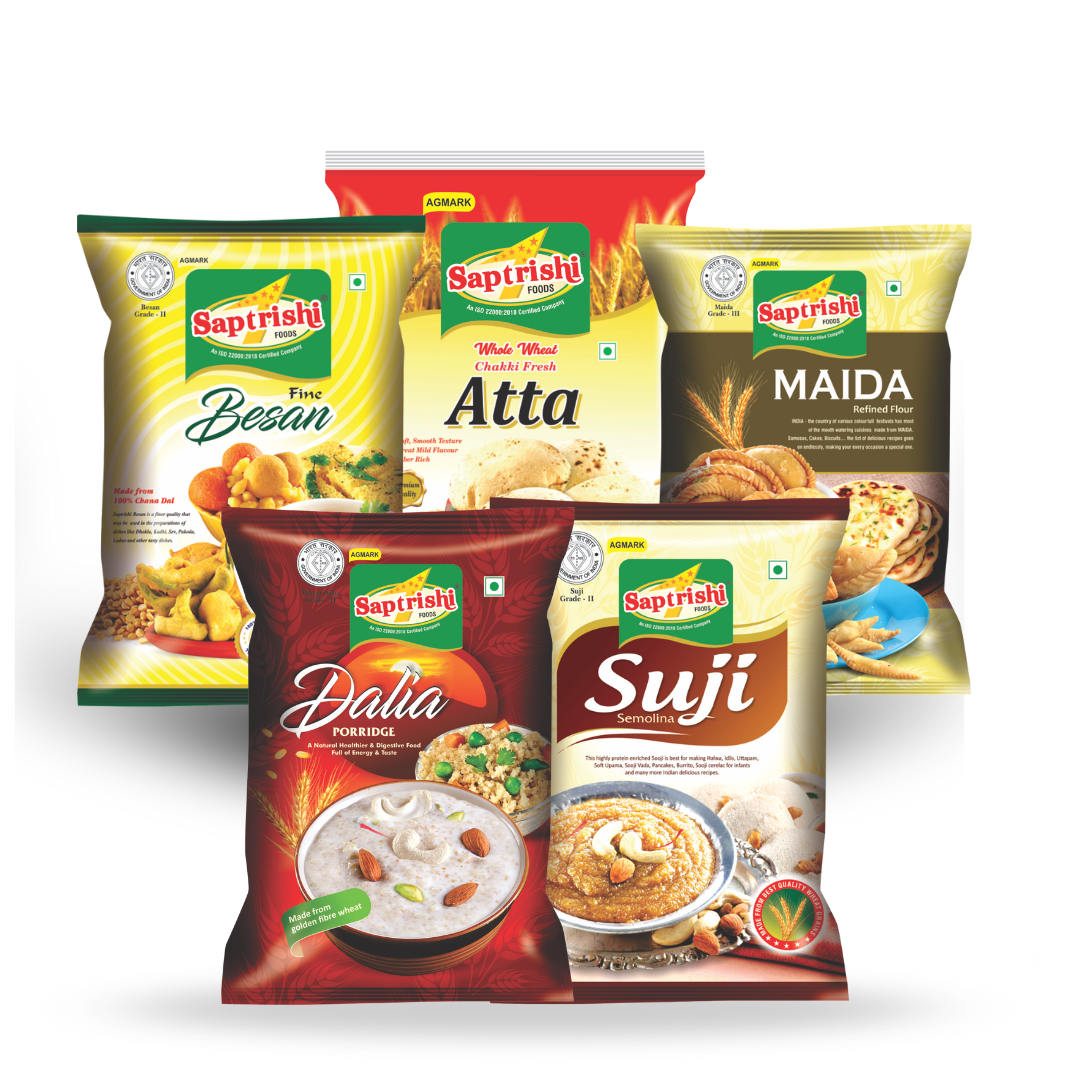
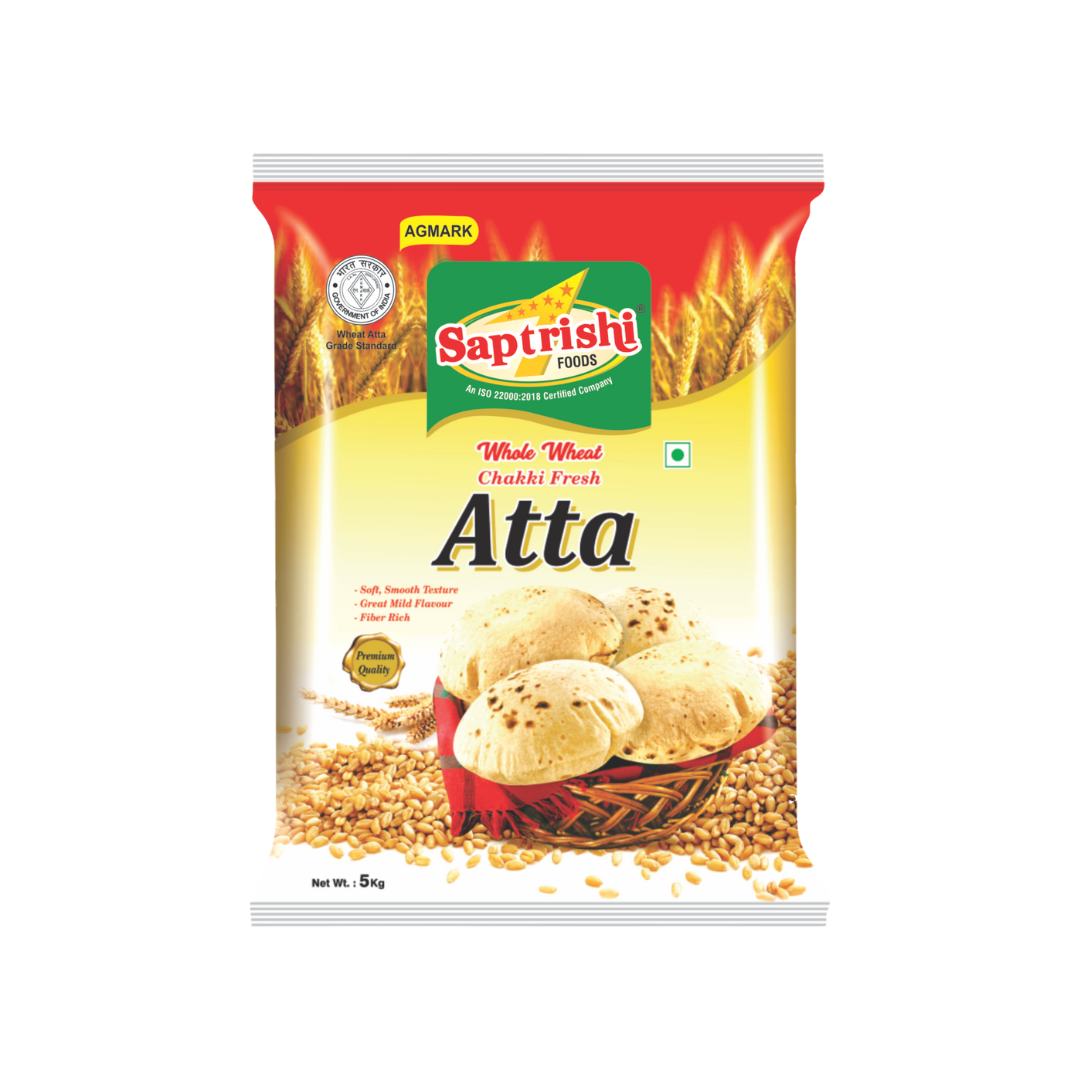
If you are looking to bring the authentic taste of Grandma's hand-ground flour back into your kitchen, it's time to choose regional purity. You can experience this farm-to-fork freshness by trying Saptrishi Chakki Fresh Atta. Milled carefully to retain natural oils and 100% chemical-free, it bridges the gap between traditional processing and premium quality.

6. Pro Tips for Storing and Cooking with Fresh Atta
Because authentic, traditionally milled flour contains natural oils and no preservatives, it requires slightly different handling than industrial flour.
Optimal Storage Solutions
* Keep it Airtight: Transfer your flour into an airtight steel or BPA-free plastic container immediately after opening.
* Avoid Moisture: Store the container in a cool, dry, and dark place. Moisture is the biggest enemy of fresh flour and can lead to fungal growth.
* Buy in Smaller Batches: Instead of hoarding a 6-month supply, buy enough for 30 to 45 days. Freshness is key to both nutrition and taste.
Kneading Techniques for the Softest Rotis
* Use Warm Water: Kneading the dough with slightly warm water helps activate the natural gluten, making the dough softer.
* Let it Rest: Always let your dough rest for 15-20 minutes covered with a damp cloth before rolling. This allows the bran to absorb moisture fully, ensuring puffier, softer rotis that stay fresh longer in the casserole.
Frequently Asked Questions
Why does chakki fresh atta spoil faster than packaged atta?
Because it contains the wheat germ and its natural oils without any artificial preservatives, it has a shorter, more natural shelf life. This is actually a sign of purity and high nutritional value.
Can traditional milling help with digestive issues?
Yes. Stone-ground flour retains the bran, which is high in dietary fiber. This roughage is essential for promoting smooth digestion and preventing common gut-related issues.
Is traditional stone-ground flour good for weight management?
Absolutely. The high fiber content and lower glycemic index mean that rotis made from this flour will keep you feeling full for a longer duration, reducing unnecessary snacking and helping manage blood sugar levels.
Conclusion
The health of your family begins with the staples in your pantry. By choosing chakki fresh atta over mass-produced, heavily refined packaged alternatives, you are actively protecting your loved ones from hidden chemicals and nutritional deficiencies.
Traditional stone milling isn't just nostalgia; it is scientifically superior in preserving the natural oils, fiber, and vitamins your body needs. Make the conscious switch today. Prioritize purity, embrace traditional wisdom, and ensure every meal you cook delivers authentic, chemical-free nutrition to your family's plate.