

Are you searching for a traditional Indian meal that effortlessly balances taste, incredible nutrition, and sheer convenience? Finding the perfect dalia recipe can fundamentally transform your daily diet, especially if you are a conscious homemaker or a fitness enthusiast looking to prioritize family health. Often known as broken wheat, dalia is a celebrated staple in Indian kitchens, boasting immense benefits for weight management and gut health.
Despite its simple profile, many struggle to get the texture and flavor just right. Whether it turns out too mushy, slightly bland, or lacking that authentic aromatic 'kick' of traditional spices, the secret lies in the technique and the purity of your ingredients. In this comprehensive guide, we will walk you through an authentic, chemical-free approach to preparing this powerhouse dish.
By following this guide, you will master the art of traditional Indian nutrition. Here is a roadmap of what we will cover:
* Why this healthy dish acts as a nutritional superfood
* Essential, high-quality ingredients you need
* Step-by-step cooking instructions for foolproof results
* Pro tips for maximum flavor using chemical-free spices
* Common mistakes that ruin texture and taste
* Frequently Asked Questions (FAQs)
Let’s dive into the ultimate guide to creating a nourishing meal that your entire family will love.

Why This Healthy Dalia Recipe is a Superfood
When we talk about traditional Indian wisdom, we often refer to foods that naturally heal and nourish the body from the inside out. A wholesome dalia recipe is the epitome of this philosophy. Broken wheat is minimally processed, which means it retains the essential natural oils, fibers, and vitamins that modern, factory-refined grains lose. For mothers planning nutritious meals and fitness lovers tracking their macros, dalia offers an unparalleled combination of slow-releasing energy and high satiety. It perfectly aligns with the 'satvik' principles of purity and health, ensuring your body gets unadulterated, chemical-free nutrition. Let's break down exactly why this ingredient deserves a permanent spot in your weekly meal rotation.
Incredible High Fiber for Digestion
One of the primary reasons to consume broken wheat is its exceptionally high dietary fiber content. Fiber acts as a natural cleanser for the digestive tract, adding bulk to the stool and preventing constipation. Regular consumption keeps the gut microbiome healthy, efficiently preventing the bloating and sluggishness often associated with heavily processed meals.
Complex Carbohydrates for Weight Loss
Unlike refined white rice or plain white flour, dalia is packed with complex carbohydrates. These macronutrients break down slowly in your system, preventing sudden spikes and crashes in blood sugar levels. This steady release of energy keeps you feeling full for hours, effectively curbing those mid-day junk food cravings that derail your weight loss journey.
Essential Ingredients for the Perfect Dalia Recipe
The foundation of any great traditional Indian dish lies in the uncompromising quality and purity of its raw ingredients. To create a standout dalia recipe, you must prioritize farm-fresh vegetables and 100% chemical-free spices. Modern consumers are increasingly moving away from loose, unbranded spices due to adulteration fears—and for good reason. Using pure, lab-tested spices ensures that your family gets the real medicinal benefits of curcumin in turmeric and the digestive aids found in pure cumin. By sourcing your ingredients carefully, you bring the 'Farm to Fork' experience right to your dining table. Here is what you need to gather for a meal that serves three to four people.
The Core Grain and Vegetables
* 1 Cup Broken Wheat (Medium grain dalia)
* 1/2 Cup Green Peas (Fresh or frozen)
* 1/2 Cup Finely Chopped Carrots
* 1/2 Cup Chopped French Beans
* 1 Medium Onion (Finely chopped)
* 1 Medium Tomato (Finely chopped)
* 1 Green Chili (Slit down the middle)
Pure Spices and Additions
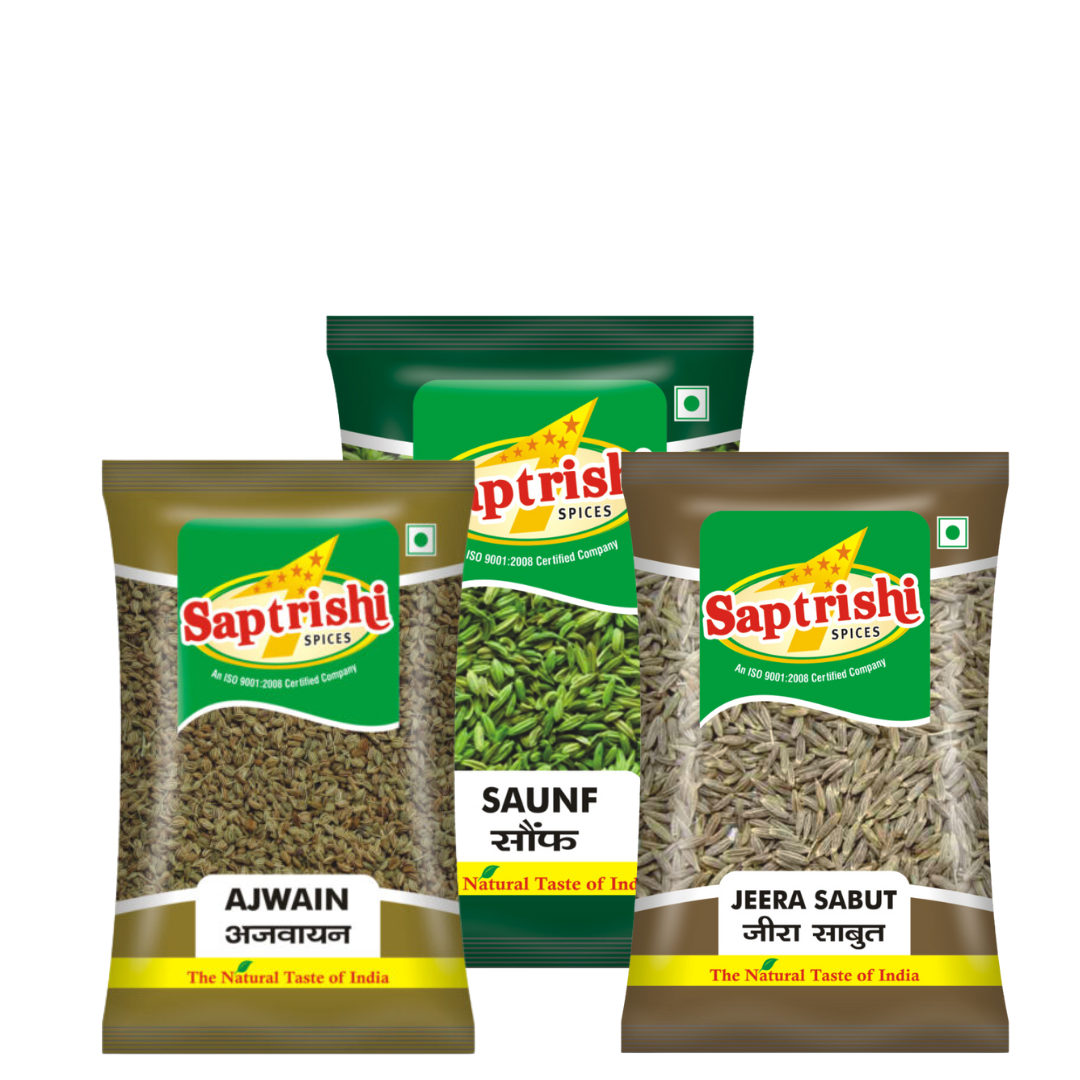
* 1 Teaspoon Pure Cumin Seeds (Jeera)
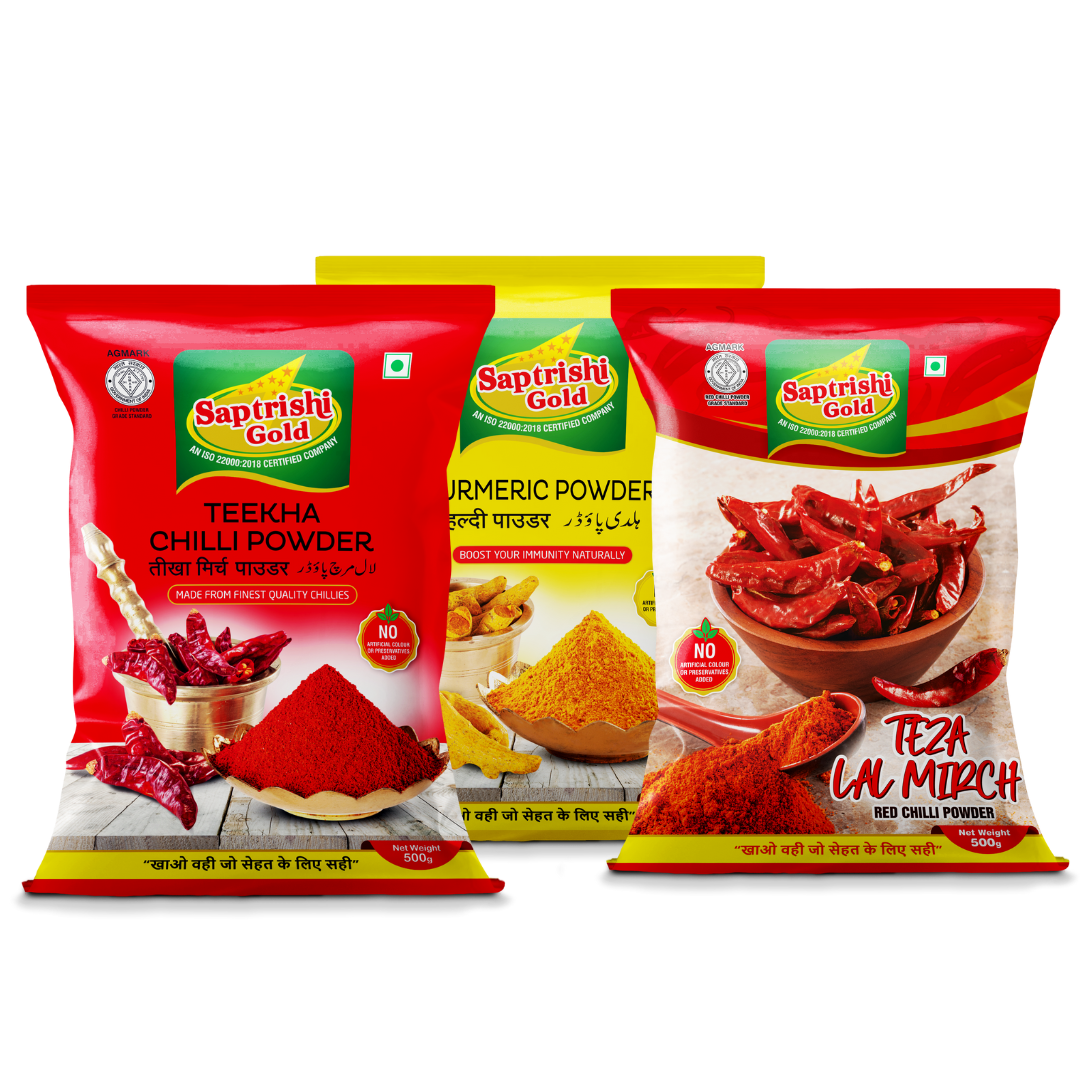
* 1/2 Teaspoon Chemical-Free Turmeric Powder
* 1/2 Teaspoon Authentic Coriander Powder
* Salt to taste (Preferably Pink Himalayan Salt)
* 1 Tablespoon Pure Ghee or Cold-Pressed Mustard Oil
* Fresh Coriander leaves for garnish
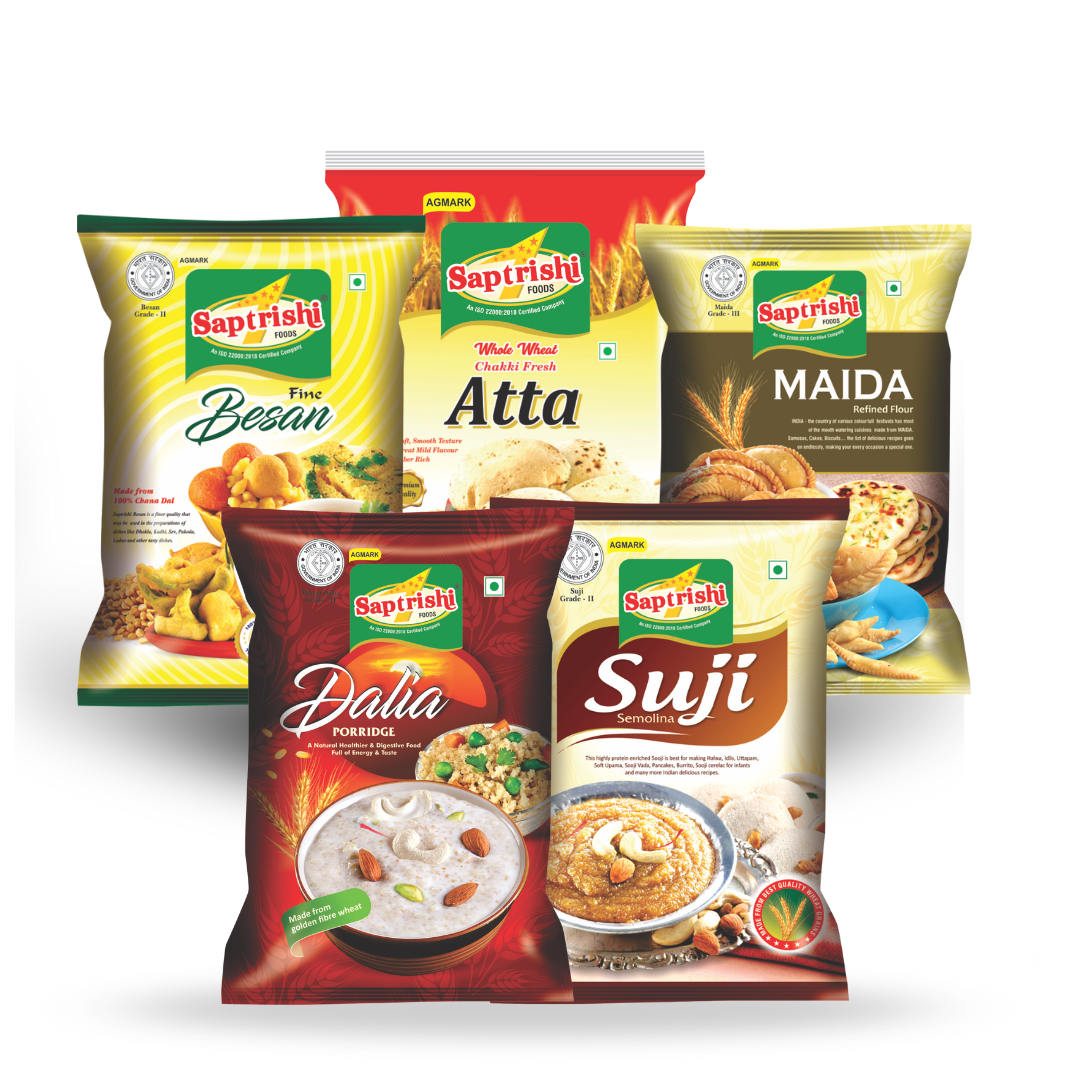
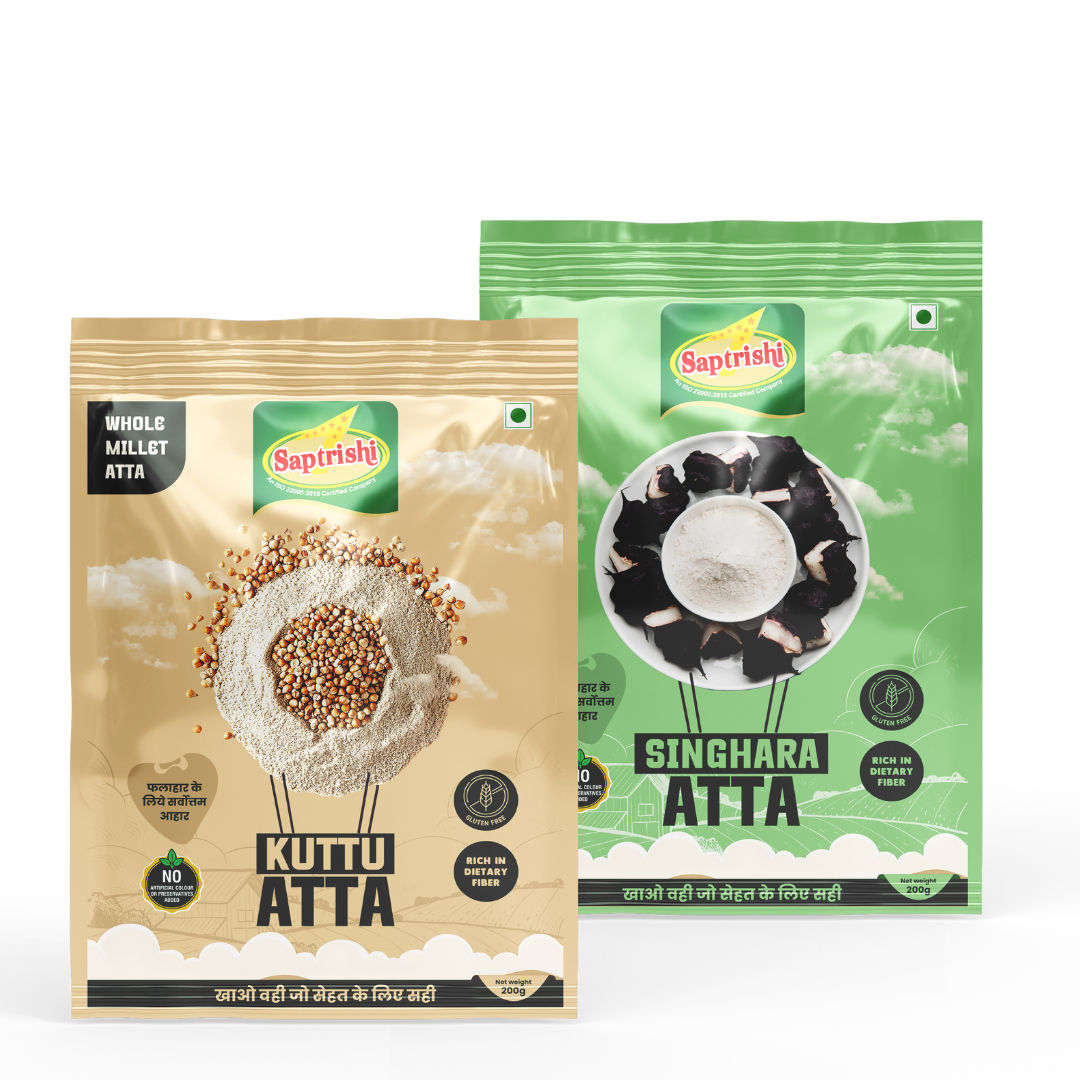
* *Note:* If you are preparing meals for religious fasting periods (Navratri/Ekadashi) and require specialized ingredients, explore the premium options available in the Saptrishi Foods flour collection for authentic falahari alternatives.
Step-by-Step: How to Make Vegetable Dalia
Cooking is an art that requires patience, especially when working with traditional Indian recipes that rely on building layers of flavor. To achieve the perfect texture—neither too dry nor resembling a sticky paste—you must respect the step-by-step process. This dalia recipe leverages age-old techniques, like dry roasting, to lock in a nutty aroma before any water is introduced. The method outlined below guarantees that the natural oils of your spices are released beautifully, infusing the grain with a rich, regional taste profile that factory-made generic blends simply cannot replicate. Let’s walk through the cooking process.
Step 1: Roasting the Broken Wheat
Begin by heating a heavy-bottomed pan or traditional kadhai on a medium flame. Add your raw broken wheat and dry roast it for 4 to 5 minutes, stirring continuously. You will notice the grains turning a light, golden-brown hue and releasing a warm, nutty fragrance. Once roasted, transfer the grain to a plate and set it aside. This crucial step prevents the final dish from becoming clumpy.
Step 2: Preparing the Aromatic Spice Base
In a pressure cooker, heat one tablespoon of pure ghee. Add the cumin seeds and let them splutter. Toss in the slit green chili and chopped onions, sautéing until the onions turn translucent. Next, add the tomatoes, turmeric powder, and coriander powder. Cook this mixture until the ghee separates from the edges, proving that your chemical-free spices are properly bloomed.
Step 3: Simmering to Perfection
Stir in the chopped vegetables (carrots, peas, beans) and sauté for two minutes. Add the roasted dalia back into the cooker along with three cups of water and salt to taste. Secure the pressure cooker lid and cook for 2 to 3 whistles on a medium flame. Allow the pressure to release naturally before opening. Garnish generously with fresh coriander.

Pro Tips for Maximum Flavor and Nutrition
Even with a solid foundation, elevating your cooking requires a few insider secrets. Traditional wisdom dictates that the nutritional value of your food is only as good as the technique used to prepare it. By making a few minor adjustments to your routine, you can maximize both the health benefits and the mouthfeel of your meal. The goal is to create a comforting dish that boasts a high-quality regional authentic taste, bringing 'grandma’s hand-ground' magic back into the modern kitchen. Here are essential pro tips to perfect your everyday dalia recipe.
Prioritize Chemical-Free Spices
The flavor of your dish is heavily dependent on the spices. Always opt for 100% organic, lab-tested spices that do not contain sawdust or artificial colors. Spices ground using traditional, low-heat methods retain their volatile oils, giving your dalia a robust aroma and a vibrant color with just a fraction of the quantity.
Master the Water-to-Grain Ratio
The standard rule of thumb for a fluffy, well-cooked texture is a 1:3 ratio. For every one cup of roasted dalia, use exactly three cups of water. If you prefer a soupier, porridge-like consistency (ideal for digestion when recovering from illness), increase the water to four cups.
Common Mistakes to Avoid When Cooking Dalia
Every home cook makes mistakes, but knowing how to avoid them is what separates an average dish from an exceptional one. When preparing broken wheat, certain missteps can compromise both the texture and the nutritional integrity of the meal. A conscious homemaker knows that preserving the purity and health benefits of family meals requires vigilance. From poor ingredient prep to incorrect cooking times, these errors are easily preventable once you know what to look out for. Let's review the most frequent pitfalls people encounter when executing a dalia recipe.
Skipping the Dry Roasting Phase
This is the most common error. If you skip roasting the raw grain, your dish will inevitably turn into a sticky, unappetizing paste. Roasting creates a slight seal around the grain, allowing it to absorb water slowly and cook evenly while maintaining its individual shape.
Overcooking the Vegetables
Adding vegetables too early or cutting them too small can lead to them disintegrating into the dish during pressure cooking. You want your carrots and beans to retain a slight crunch and their vibrant color. Always chop your vegetables into medium-sized chunks to preserve their fiber and nutrient profile during the high-heat cooking process.

Frequently Asked Questions
When transitioning to a healthier, more traditional diet, it is completely normal to have questions about the frequency, timing, and specific benefits of certain foods. As a conscious consumer looking to protect your family from adulterated products and poor nutrition, having accurate, authoritative information is key. We have compiled the most commonly asked questions regarding this staple dish to help you make informed decisions about your daily meal planning. Below are expert answers to clear up any confusion regarding your healthy dalia recipe.
Is dalia good for daily consumption?
Yes, absolutely. Because it is a whole grain rich in dietary fiber, vitamins, and minerals, it is incredibly safe and beneficial for daily consumption. It is gentle on the stomach and promotes a healthy digestive tract when eaten regularly.
Can this dalia recipe help reduce belly fat?
While no single food acts as a magic fat burner, this dish is highly effective for weight loss. Its low glycemic index and high complex carbohydrate content keep you satiated, naturally reducing your overall caloric intake and preventing sugar crashes that lead to belly-fat-inducing cravings.
What is the ideal time to eat dalia for weight loss?
It is highly versatile, but consuming it for breakfast or lunch yields the best weight loss results. Eating it early in the day provides you with a sustained energy release to power through your physical activities and daily routines without feeling sluggish.
Conclusion & Next Steps
Mastering the perfect dalia recipe is an incredible step toward a healthier, more traditional lifestyle. By combining the slow-releasing energy of broken wheat with the vibrant, medicinal properties of high-quality Indian spices, you create a dish that supports weight loss, improves digestion, and deeply nourishes your family. Remember, the secret to a truly authentic, flavorful meal is never compromising on the purity of your ingredients.
To ensure your meals are always safe, healthy, and aromatic, pledge to use only chemical-free, lab-tested spices and flours. Protect your family's health from industry adulteration and embrace the rich, traditional taste of pure Indian nutrition today.