

Are you an Indian living in the US or Canada, longing for the nostalgic aroma of pure desi ghee roasting in a traditional kitchen? Whether you are preparing for a festive puja or simply craving a comforting, quick dessert, mastering the authentic suji ka halwa recipe is a right of passage. Despite its simple ingredient list, achieving the perfect melt-in-your-mouth texture requires technique, timing, and high-quality ingredients.
In this comprehensive guide, we will walk you through a foolproof, 15-minute suji ka halwa recipe that guarantees authentic regional taste every single time. By combining traditional culinary wisdom with the convenience needed for busy modern lifestyles, you will learn exactly how to recreate 'grandma's hand-ground' magic in your own kitchen.
What You Will Learn in This Guide:
* The science behind the perfect texture and aroma.
* Essential ingredients and the golden ratio for traditional halwa.
* A step-by-step 15-minute suji ka halwa recipe.
* Expert pro tips for a flawless, lump-free consistency.
* Common mistakes to avoid during preparation.
* Serving suggestions for local festivals and pujas.
* Frequently Asked Questions (FAQ).
Let’s dive into the ultimate method for creating this beloved Indian classic.

What Makes the Perfect Suji Ka Halwa?
The secret to an unforgettable suji ka halwa lies in the sensory experience: the rich golden color, the nutty aroma of roasted semolina, and the luxurious, velvety texture that instantly melts in your mouth. For the Indian diaspora seeking authentic tastes, replicating this traditional profile requires moving away from generic, mass-processed ingredients and focusing on purity.
A perfect halwa relies on the precise caramelization of the suji (semolina) in ghee before any liquid is introduced. If the suji is under-roasted, the halwa becomes a sticky, pasty mush. If over-roasted, it develops a bitter, burnt aftertaste. The goal is to reach a deep amber hue, which releases the natural oils of the grain and creates a distinct, earthy aroma. Furthermore, using chemical-free, lab-tested spices and grains ensures that your dessert is not only delicious but also rooted in pure, traditional Indian nutrition.
Essential Ingredients for Traditional Halwa
To execute this suji ka halwa recipe flawlessly, you must adhere to the classic Indian culinary formula known as the "Golden Ratio." Traditionally, this is a 1:1:1 ratio of suji, ghee, and sugar, accompanied by 3 to 4 parts of liquid (water or milk).
Here is your shopping list for 4 servings:
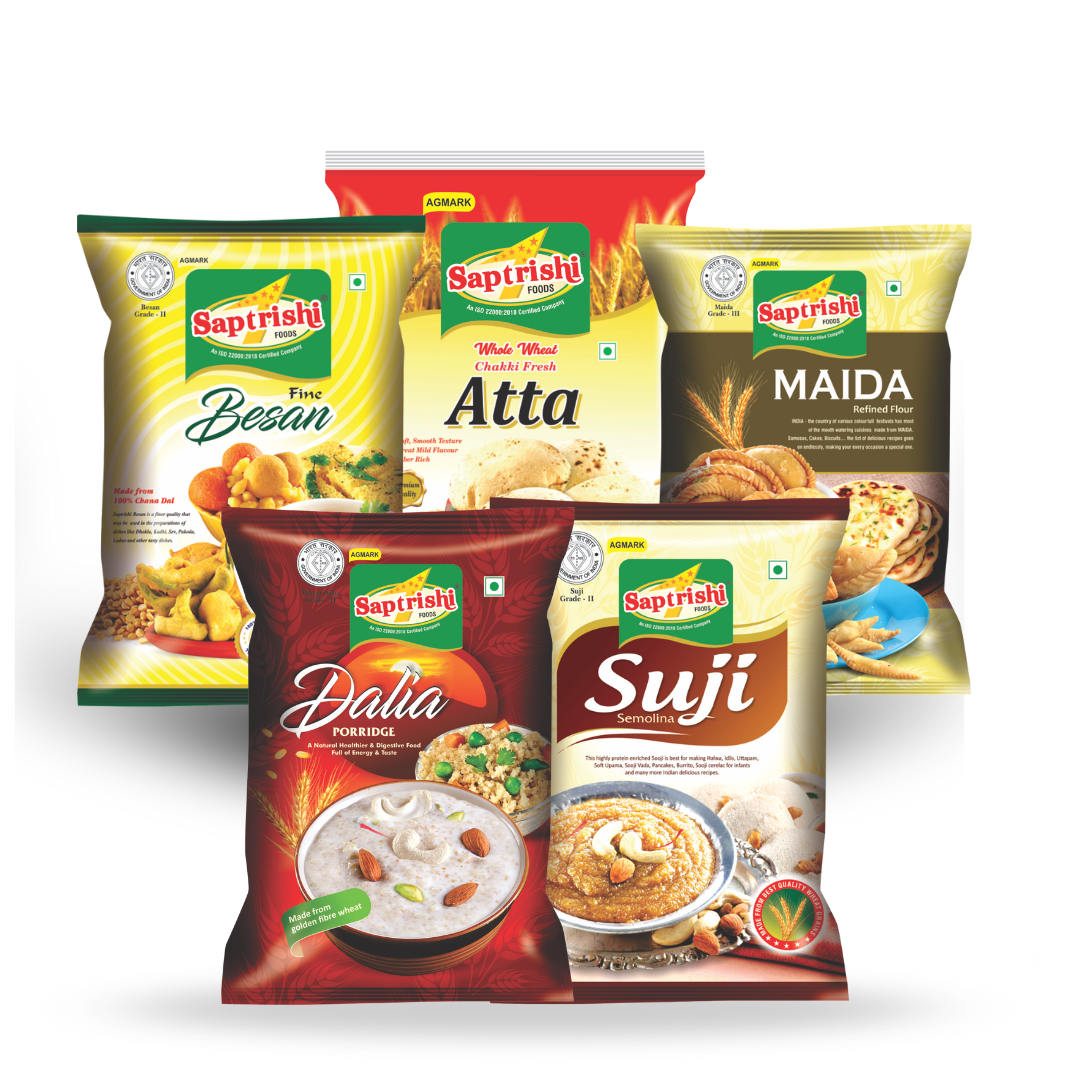
* 1/2 Cup Suji (Semolina): The quality of your grain dictates the final texture. We highly recommend using authentic, chemical-free semolina to ensure the best results. For premium purity and authentic taste, use Saptrishi Suji, which is sourced and processed to retain natural textures and flavors.
* 1/2 Cup Pure Desi Ghee: Ghee is the soul of this dessert. Do not compromise with vegetable oils or butter.
* 1/2 Cup Sugar: Adjust slightly based on your sweetness preference, but a 1:1 ratio with suji is standard.
* 2 Cups Water (or Milk): Using milk makes the halwa richer, while water keeps it traditional and light.
* Flavorings: 4-5 crushed green cardamom pods and a few strands of pure saffron.
* Garnish: 2 tablespoons of chopped almonds, cashews, and golden raisins.
Step-by-Step 15-Minute Suji Ka Halwa Recipe
With your ingredients prepped and ready, follow these exact steps to create a heavenly dessert in just 15 minutes.
Step 1: Prepare the Sugar Syrup
In a separate saucepan, combine the water (or milk), sugar, crushed cardamom, and saffron strands. Place it on medium heat and stir until the sugar completely dissolves. Bring the mixture to a gentle boil, then turn the heat to its lowest setting to keep the liquid hot. You do not need to create a thick string consistency; a simple infused syrup is perfect.
Step 2: Roast the Dry Fruits
Place a heavy-bottomed kadhai (wok) or pan on medium-low heat. Add 1 tablespoon of the desi ghee. Once melted, add your chopped cashews and almonds. Roast them until they are lightly golden, then add the raisins. As soon as the raisins puff up, remove all the dry fruits from the pan and set them aside.
Step 3: Roast the Suji (Semolina)
Add the remaining ghee to the same pan. Once warm, pour in the Saptrishi Suji. Keep the flame strictly on medium-low. Stir continuously using a spatula. This is the most crucial step of the suji ka halwa recipe. Roast the suji for about 7 to 9 minutes. You will notice the color changing from pale white to a beautiful golden-brown, and your kitchen will fill with a deeply nutty, fragrant aroma.
Step 4: Combine and Cook
Carefully pour the hot sugar syrup into the roasted suji. Caution: The mixture will splutter vigorously. Stir rapidly to prevent any lumps from forming. The suji will rapidly absorb the liquid. Keep stirring continuously for 2 to 3 minutes until the halwa thickens and begins to pull away from the sides of the pan, oozing a little ghee at the edges.
Step 5: Garnish and Serve
Turn off the heat. Fold in the roasted dry fruits (save a few for the top). Cover the pan with a lid for 2 minutes to let the halwa rest and absorb all the lingering aromas. Serve hot.

Expert Pro Tips for Flawless Texture
Even with a foolproof suji ka halwa recipe, a few professional techniques can elevate your dessert from good to extraordinary:
* Temperature Consistency: Always add HOT liquid to the roasted suji. Adding cold or room-temperature water shocks the grain and results in unpleasant, sticky lumps.
* Continuous Stirring: Never walk away from the pan while roasting suji. Semolina burns incredibly fast. Continuous stirring ensures even browning and a uniform flavor profile.
* The Right Pan: Always use a heavy-bottomed pan or traditional cast-iron/brass kadhai. Thin-bottomed pans distribute heat unevenly, increasing the risk of scorching the delicate grains.
* Resting Time: Allowing the halwa to sit covered for a few minutes off the heat allows the suji grains to swell to their maximum capacity, giving you a fluffier, softer texture.
Common Mistakes to Avoid
When preparing halwa for a special occasion, avoid these frequent pitfalls:
* Skimping on Ghee: Reducing the ghee alters the authentic texture. Ghee acts as a lubricant that prevents the grains from clumping together. If you want the traditional, melt-in-the-mouth experience, stick to the 1:1 ratio.
* Rushing the Roasting Process: Turning up the heat to roast the suji faster will brown the outside of the grains while leaving the inside raw. This leads to a gritty texture and an unappetizing raw flavor.
* Adding Sugar Too Early: Always dissolve the sugar in the water first. Adding raw sugar directly to the roasting suji can cause crystallization and prevent the grains from softening properly.
Serving Suggestions for Festivals & Pujas
For the Indian diaspora, food is the strongest connection to home, especially during cultural celebrations. This suji ka halwa recipe is a staple for festivals like Navratri (especially Ashtami Prasad), Diwali, and Vasant Panchami.
When preparing this for a puja, traditionally, a slightly higher proportion of ghee is used, and it is paired with perfectly puffed, golden puris and dry black chana (kale chane). For an elegant Diwali dinner party, serve the halwa in small, individual terracotta pots (kulhads), garnished with edible silver foil (vark), dried rose petals, and a heavy pinch of saffron to provide a premium, visually stunning presentation.

Frequently Asked Questions
Can I make suji ka halwa without ghee?
While you can technically use flavorless cooking oil or vegan butter, pure desi ghee is what gives the suji ka halwa recipe its authentic, rich flavor and traditional aroma. For the best experience, ghee is highly recommended.
Why did my halwa become lumpy?
Lumps form when cold water is added to hot roasted suji, or if the mixture is not stirred rapidly while the liquid is being poured. Always use hot water or milk, and stir continuously to ensure a smooth texture.
How can I store and reheat leftover halwa?
Suji ka halwa can be stored in an airtight container in the refrigerator for up to 3-4 days. To reheat, microwave it for 30 seconds or warm it on the stovetop. If it has thickened too much in the fridge, splash a tablespoon of warm milk or water over it before reheating to restore its soft texture.
Is it better to use fine or coarse suji?
For the most authentic, granular texture (often referred to as 'danedar'), slightly coarse suji is preferred over the ultra-fine powdery variety.
Conclusion & Next Steps
Mastering the perfect suji ka halwa recipe is about honoring traditional methods, respecting the roasting process, and, above all, using pure, high-quality ingredients. In just 15 minutes, you can transport your family back to the authentic flavors of India, making your weekend dinners or festive pujas incredibly special.
Remember, the foundation of a great halwa is the semolina itself. To guarantee your dessert is free from chemicals and boasts the authentic taste of tradition, start your recipe with the finest ingredients. Elevate your cooking today by choosing Saptrishi Suji for your pantry, and experience the gold standard of Indian purity!