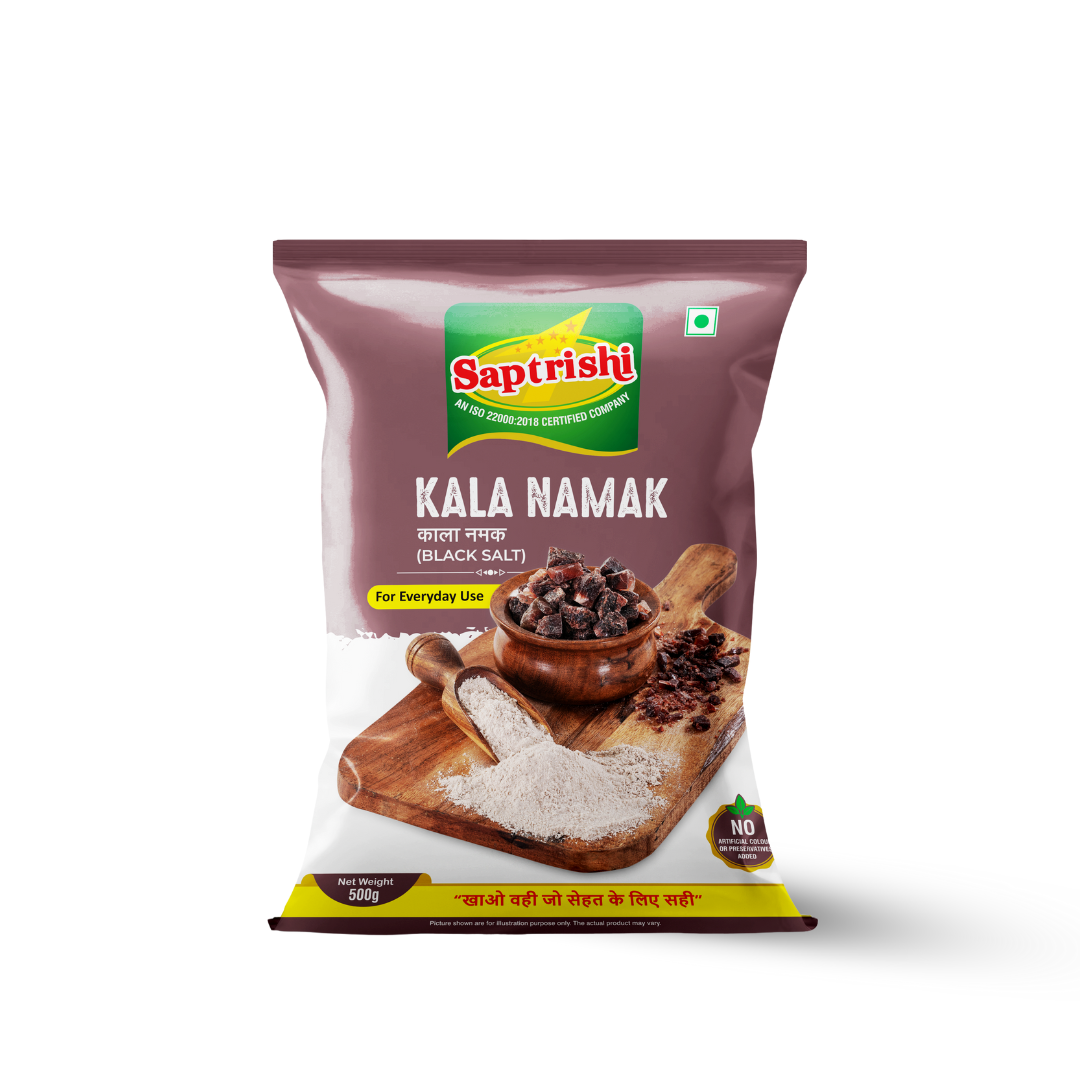


Managing hypertension is a lifelong journey for many seniors, leading to a common and crucial question: Is Rock Salt Safer Than Table Salt for high blood pressure? As we age, our cardiovascular system becomes more sensitive to dietary choices, particularly the intake of sodium. For decades, table salt has been the standard in every kitchen, but the rise of holistic health trends has brought rock salt, often known as Sendha Namak, into the spotlight. Many health-conscious individuals believe that switching to rock salt could be the 'silver bullet' for managing hypertension, but understanding the scientific nuance is essential for long-term heart health.
Sodium is a necessary mineral for nerve function and fluid balance, yet in excess, it causes the body to retain water, increasing the pressure against arterial walls. For those monitoring their blood pressure, every milligram of sodium counts. In this comprehensive guide, we will dive deep into the chemical compositions, processing methods, and health implications of both salt types to determine if making the switch is truly beneficial for your heart.

The Science: **Is Rock Salt Safer Than Table Salt** for Heart Health?
To answer the question, we must first look at the chemical makeup of these two substances. Both table salt and rock salt are primarily composed of sodium chloride (NaCl). In most commercial varieties, sodium chloride makes up about 97% to 99% of the product. This means that, gram for gram, both types of salt contribute significantly to your daily sodium limit. For a senior citizen, the American Heart Association recommends no more than 1,500 mg of sodium per day for those with hypertension.
However, the primary difference lies in the processing and the 'other' percentages. Table salt is highly refined, often stripped of trace minerals, and treated with anti-caking agents like ferrocyanide or aluminosilicate to prevent clumping. In contrast, rock salt, particularly varieties like Saptrishi Sendha Namak, is harvested in its natural state. It is unrefined and contains trace minerals that are lost in the industrial processing of table salt. While these minerals do not eliminate the presence of sodium, they do change how the body interacts with the salt.
Trace Minerals and the Potassium Connection
One reason people wonder if Is Rock Salt Safer Than Table Salt is the presence of potassium, magnesium, and calcium in rock salt. Potassium is a vital mineral for heart health because it helps the body ease tension in the blood vessel walls and assists in the excretion of excess sodium through urine. While the amount of potassium in rock salt is relatively small, it is naturally occurring, unlike the chemically fortified iodine found in table salt. For seniors, consuming a salt that is less chemically processed and contains even small amounts of beneficial minerals is often seen as a step toward a cleaner diet.

Understanding the Benefits of Sendha Namak
In Ayurvedic traditions, rock salt is considered the superior form of salt. Known as 'Saindhava Lavana,' it is believed to balance the three doshas (Vata, Pitta, and Kapha). Unlike table salt, which is thought to be heating, rock salt is considered cooling for the digestive system. For those interested in the deeper benefits of this ancient mineral, you can explore more about Sendha Namak benefits.
From a modern perspective, the lack of additives is a significant win. Many seniors suffer from sensitivities to the synthetic additives found in processed foods. By choosing a pure, unrefined rock salt, you are reducing the 'chemical load' on your kidneys and liver. This purity is why many heart patients feel better when using rock salt—not necessarily because it allows them to eat *more* salt, but because the salt they do eat is higher quality and free from bleaching agents.
Rock Salt Blood Pressure Management: A Practical Approach
When we discuss rock salt blood pressure management, we must emphasize portion control. Using rock salt doesn't grant permission to exceed the daily sodium allowance. Instead, it provides a more flavorful alternative that may allow you to use less overall. Because rock salt crystals are often larger and have a more complex flavor profile, they can satisfy the palate more effectively than the sharp, metallic tang of highly processed table salt.
For seniors, the goal is to reduce the total volume of sodium chloride. If the slightly higher mineral content and the lack of chemicals in rock salt encourage a more mindful approach to seasoning, then yes, it can be considered a 'safer' choice within a controlled diet.
Why Table Salt Might Be Risky for Seniors
While we investigate Is Rock Salt Safer Than Table Salt, it is important to look at why table salt is increasingly viewed with caution by nutritionists. The heavy refining process involves heating the salt to 1,200 degrees Fahrenheit, which alters its chemical structure. Furthermore, the anti-caking agents mentioned earlier are synthetic chemicals. For a senior with a sensitive gut or compromised kidney function, these additives can lead to minor inflammatory responses over time.
Another factor is iodine. While iodine is essential for thyroid health, many people now get sufficient iodine from other dietary sources like eggs, dairy, and seafood. The forced iodization of table salt, which began in the early 20th century to prevent goiters, may not be as necessary for a modern person with a varied diet. In fact, excessive iodine can sometimes interfere with thyroid medications, which are commonly prescribed to seniors. Rock salt provides a natural alternative that lets the consumer control their iodine intake from other whole-food sources.

Transitioning Safely: Tips for Seniors
If you are considering making the switch to improve your heart health, follow these professional guidelines:
1. Consult Your Physician: Before changing your salt type, especially if you are on diuretics or blood pressure medication, speak with your doctor. Some medications interact with the minerals found in rock salt.
2. Measure, Don't Pour: Use a measuring spoon rather than a shaker. This helps you track exactly how many milligrams of sodium you are consuming.
3. Focus on Quality: Not all rock salts are equal. Look for 'Himalayan' or 'Sendha Namak' that is certified for purity to ensure no contaminants are present.
4. Taste Before Salting: Often, we salt our food out of habit. Try a bite first; you may find that the natural flavors of the food are sufficient.
5. Combine with Herbs: Use rock salt in combination with lemon juice, garlic, or black pepper to enhance flavor without increasing sodium.
The Verdict: Is the Switch Worth It?
So, Is Rock Salt Safer Than Table Salt? The answer is a nuanced 'Yes,' but with caveats. Rock salt is safer because it is unrefined, free from synthetic anti-caking agents, and contains trace minerals that support overall physiological function. For a senior citizen looking to optimize their diet for longevity, removing processed chemicals is always a positive step.
However, it is not a 'free pass' to consume unlimited sodium. Whether you use the finest Sendha Namak or standard table salt, the sodium chloride will still impact your blood pressure. The real 'safety' comes from the purity of the product and the mindfulness of the user. By choosing a high-quality product like Saptrishi Sendha Namak, you are ensuring that your body receives salt in its most natural, biocompatible form.
Conclusion
In the battle of the salts, rock salt wins on the grounds of purity and holistic benefits. For heart-health conscious users, the transition to rock salt represents a move toward whole foods and away from industrial processing. Keep your sodium intake low, your mineral intake balanced, and always prioritize the quality of the ingredients you put into your body. Your heart—and your blood pressure—will thank you for the extra care.