

For many newlyweds and culinary beginners, the kitchen can feel like a daunting stage where the most basic of staples—the humble roti—becomes the most challenging performance. Achieving that perfect, balloon-like puff and a texture that remains soft for hours is a rite of passage in Indian cooking. If you have been struggling with dry, papery, or hard flatbreads, you are not alone. Mastering the Art of Fluffy Rotis is a journey that begins not just with technique, but with the quality of your ingredients. At the heart of every perfect roti is the flour, and choosing a premium, stone-ground option like Saptrishi Chakki Fresh Atta is the first step toward success.
In this comprehensive guide, we will break down the science of dough, the finesse of rolling, and the precision of heat. Whether you are cooking for your spouse for the first time or simply looking to upgrade your daily meals, these professional insights will transform your kitchen experience. We understand that as a modern homemaker or a busy professional, you value both tradition and efficiency. By focusing on the nuances of 'Chakki' ground flour, which retains the natural bran and nutrients of the wheat, you ensure that your health is never compromised for the sake of taste.

Why the Flour Matters: The Saptrishi Difference
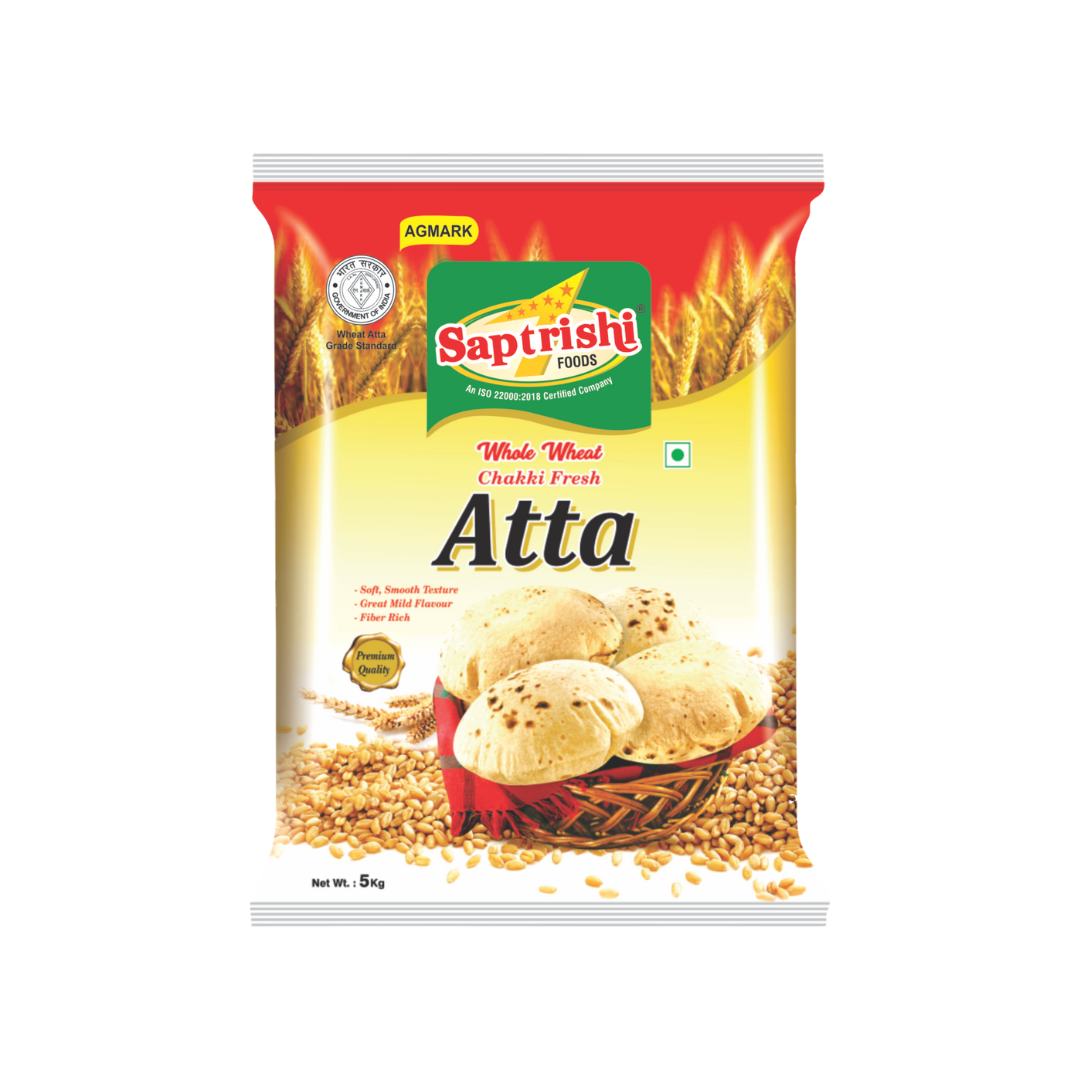
Before we dive into the kneading process, it is essential to understand why all flours are not created equal. The term 'Chakki Fresh' refers to the traditional stone-grinding process. Unlike high-speed roller mills that generate excessive heat and strip away the wheat's natural oils and nutrients, stone grinding keeps the temperature low. This preserves the gluten quality and the moisture-absorption capacity of the flour.
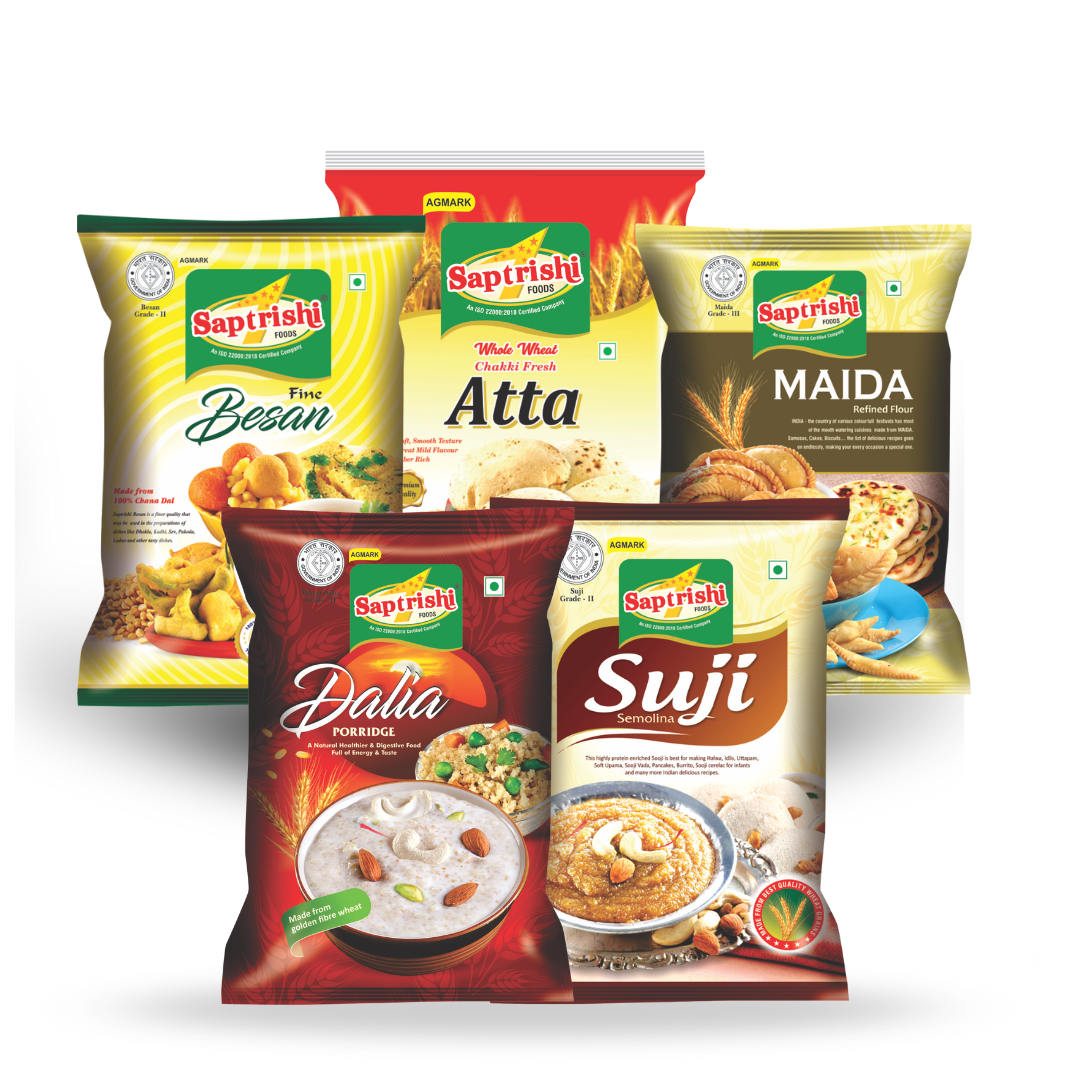
When you use Saptrishi Chakki Fresh Atta, you are working with a flour that has a superior granulation profile. This means the particles are sized perfectly to absorb water evenly, resulting in a dough that is pliable and easy to handle. For a beginner, this 'forgiveness' in the dough is crucial. A flour that is too refined will result in chewy rotis, while a flour that is too coarse will break during rolling. Saptrishi strikes the perfect balance, ensuring that every grain contributes to a soft, extensible dough.
The Science of Softness
Softness in a roti is primarily a result of two factors: moisture retention and gluten development. When you hydrate the flour, the proteins (glutenin and gliadin) link together to form a network. This network is what traps the steam during cooking, causing the roti to puff up. If the flour is old or poorly processed, this network is weak, and the steam escapes, leaving you with a flat, hard disc. By choosing high-quality atta, you are giving your rotis the structural integrity they need to rise beautifully.
Step-by-Step: Mastering the Art of Fluffy Rotis
Kneading is perhaps the most critical stage. Many beginners make the mistake of adding too much water at once or not kneading long enough. Follow this professional workflow for the best results:
1. Sieving and Measuring: While Saptrishi Atta is pre-cleaned, sieving it once aerates the flour, making the dough lighter. Start with two cups of atta in a wide-mouthed bowl (parat).
2. The Gradual Hydration: Use lukewarm water. Warmth helps in faster gluten development. Add water in small increments, mixing with your fingers until the flour starts coming together in shaggy clumps.
3. The Palm Technique: Once the dough forms a ball, use the base of your palms to push the dough away from you, then fold it back. Repeat this for at least 8-10 minutes. The dough should transition from sticky and rough to smooth, elastic, and slightly tacky to the touch.
4. The Resting Period: This is a non-negotiable step. Cover the dough with a damp cloth or a lid and let it rest for at least 20-30 minutes. This allows the gluten to relax and the moisture to distribute evenly through every starch molecule.

Essential Soft Roti Tips for Beginners
Even with the best dough, the transition from the rolling board to the tawa requires finesse. Here are some 'pro-tips' that address common pain points for newlyweds and novices:
* Dusting Sparingly: When rolling, use just enough dry flour (palethan) to prevent sticking. Excessive dry flour on the surface of the roti will burn on the tawa, creating a bitter taste and a dry, dark texture.
* Even Pressure: Do not press down hard with the rolling pin. Let the pin glide. If your dough is kneaded correctly and rested, the roti will rotate naturally as you roll. Aim for an even thickness; if the edges are thicker than the center, the roti will not puff.
* The Tawa Temperature: Your griddle must be medium-high heat. If the tawa is too cold, the roti will dry out before it cooks. If it is too hot, the outside will burn while the inside remains raw. A good test is to sprinkle a pinch of flour on the tawa; if it browns in 5 seconds, you are ready.
* The First Flip: Place the roti on the tawa. Wait for tiny bubbles to appear on the surface (about 15-20 seconds), then flip. This first side should only be partially cooked. The second side should be cooked more thoroughly until brown spots appear.
- The Final Puff: For the final rise, you can either place the roti directly on a high flame using tongs or press it gently with a clean, folded cloth on the tawa. The steam trapped inside will force the layers apart, creating that iconic 'phulka' look.
Troubleshooting Common Mistakes
Even when you are focused on Mastering the Art of Fluffy Rotis, things can go wrong. Here is how to fix them:
* My rotis are hard like biscuits: This usually happens because the dough was too dry or you cooked them for too long on low heat. Increase the water during kneading and ensure the tawa is sufficiently hot.
* The edges are cracking: This is a sign that the dough hasn't been kneaded enough or has dried out. Make sure to rest your dough and keep it covered at all times.
* The rotis are soft at first but get hard later: This is often a storage issue. As soon as the roti is cooked, smear a little ghee on it and place it in an insulated casserole lined with a paper towel or cotton cloth. The ghee helps lock in moisture, and the cloth prevents the bottom roti from getting soggy due to condensation.
For more culinary inspiration and traditional recipes, feel free to explore our latest blog posts. Understanding the heritage of Indian grains can significantly improve your intuitive cooking skills.

The Importance of High-Quality Nutrition
As you embark on your journey of building a home, the health of your family is paramount. Saptrishi Chakki Fresh Atta is not just about the ease of cooking; it is about the quality of life. High-fiber whole wheat helps in digestion and provides sustained energy throughout the day. In an era of highly processed foods, returning to the 'Chakki' method is a conscious choice for wellness.
At Saptrishi Foods, we take pride in sourcing the finest wheat to ensure that every bag of atta delivered to your doorstep meets the highest standards of purity. We believe that cooking is an expression of love, and your ingredients should reflect that sentiment. When you use the right flour, you spend less time struggling with the dough and more time enjoying the meal with your loved ones.
Conclusion
Mastering the Art of Fluffy Rotis is a skill that improves with every meal. By combining the right technique with the superior quality of Saptrishi Chakki Fresh Atta, you are well on your way to becoming a pro in the kitchen. Remember, the secret lies in the hydration, the patience of the rest, and the heat of the tawa. Happy cooking!
Don't forget to check out our premium range of products to elevate your daily dining experience. Your journey to perfect health and perfect rotis starts here.