

Common Spices Used in Indian Cooking
Ask ten Indian cooks what's essential and you'll get ten different lists. Which is the honest answer — there isn't one canon. A Bengali kitchen and a Tamil kitchen share maybe half their spices. A Punjabi household and a Goan one share less.
But if you're starting out, or stocking a kitchen from scratch, there's a core that works across regions. Here it is.
The absolute basics — four spices.
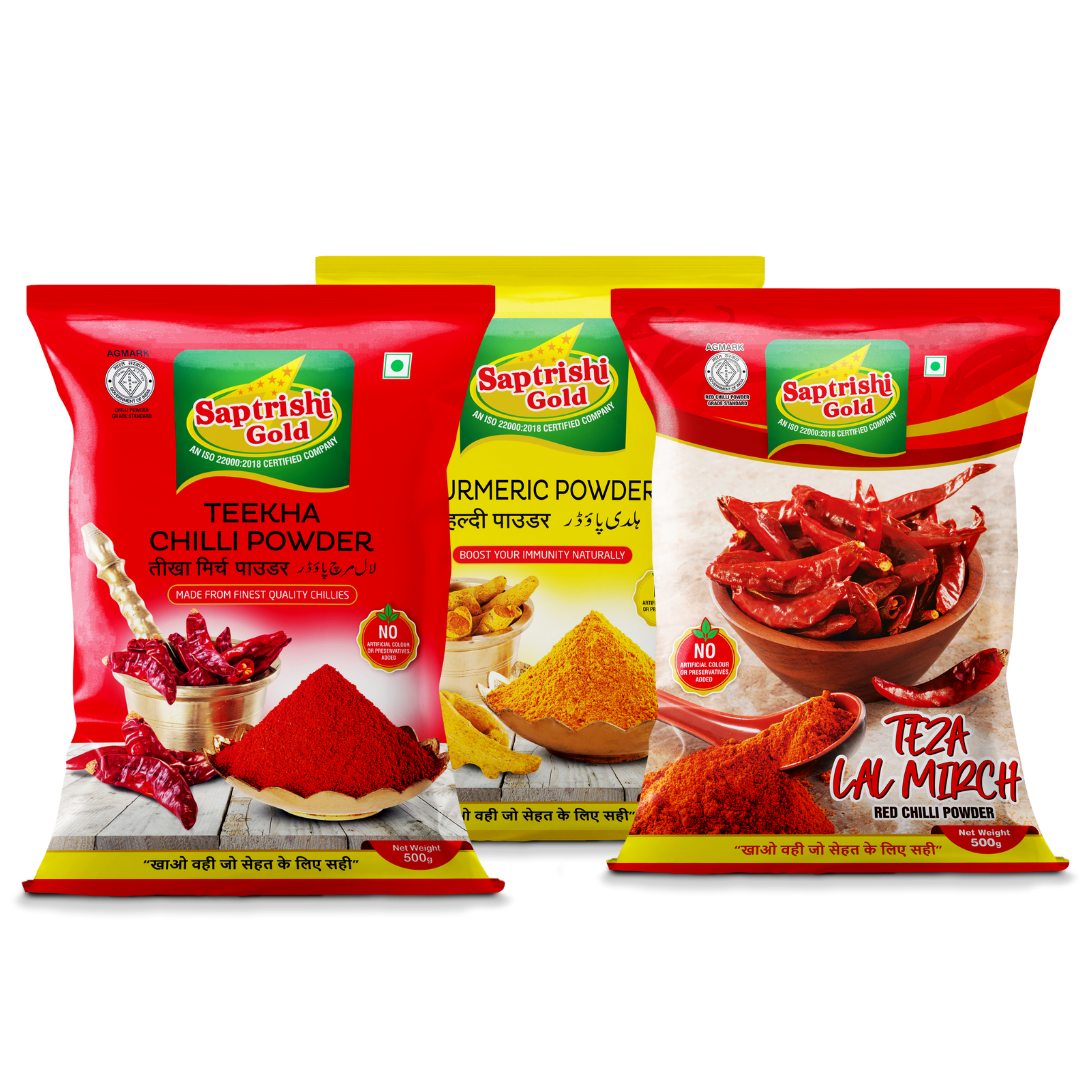
Haldi, jeera, dhaniya, lal mirch. If you have these and nothing else, you can cook most everyday Indian food. Dal, sabzi, simple curries. This is not a compromise. It's genuinely most of what gets used day to day.
The next layer — five more.
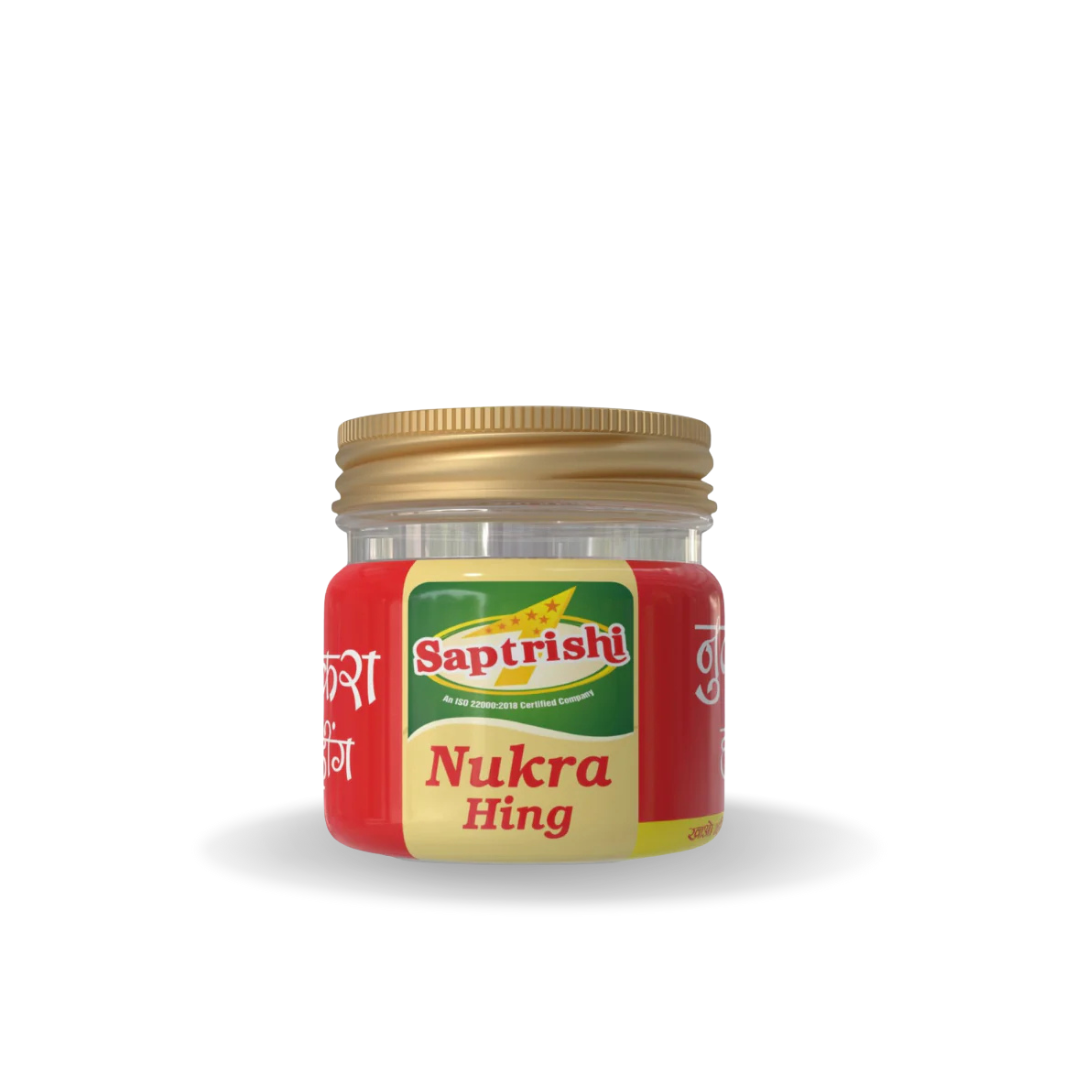
Hing, rai (mustard seeds), garam masala, amchoor, and tej patta. Now you can do proper tadka, you can finish dishes, you can add sourness without liquid. This is where cooking starts feeling like Indian cooking instead of "food with spices in it."
The aromatics.
Adrak, lehsun, pyaz. Ginger, garlic, onion. Not technically spices in the dried sense, but nothing in the list above does much without them. Fresh green chilli too, if you want to count it.
The regional markers.
This is where kitchens diverge:
-
South Indian — curry leaves, mustard seeds, urad dal, chana dal, coconut, tamarind. Curry leaves especially. Not optional.
-
Bengali — panch phoron (five-spice blend), mustard oil, kalonji, radhuni. Very distinct.
-
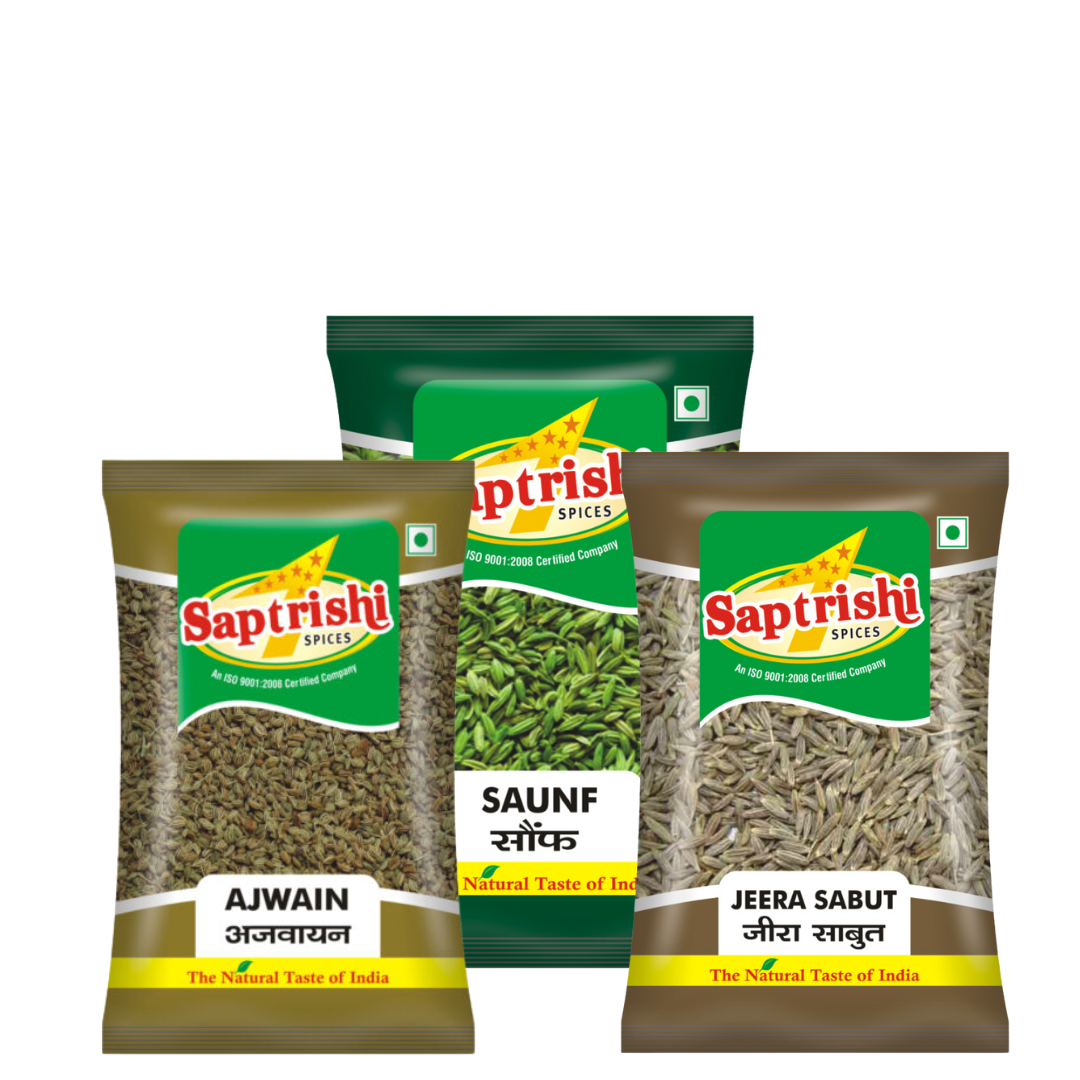
Gujarati — sweeter profile, more use of jaggery, ajwain, and a specific hing-heavy tadka.
-
Maharashtrian — goda masala, kala masala, more coconut and sesame.
-
Kashmiri — fennel, dried ginger, Kashmiri chilli, no onion-garlic in much of the traditional cooking.
The finishing spices.
Garam masala, kasuri methi, black pepper, a squeeze of lemon. These go in at the end. Long heat flattens them.
A quick note on blends.
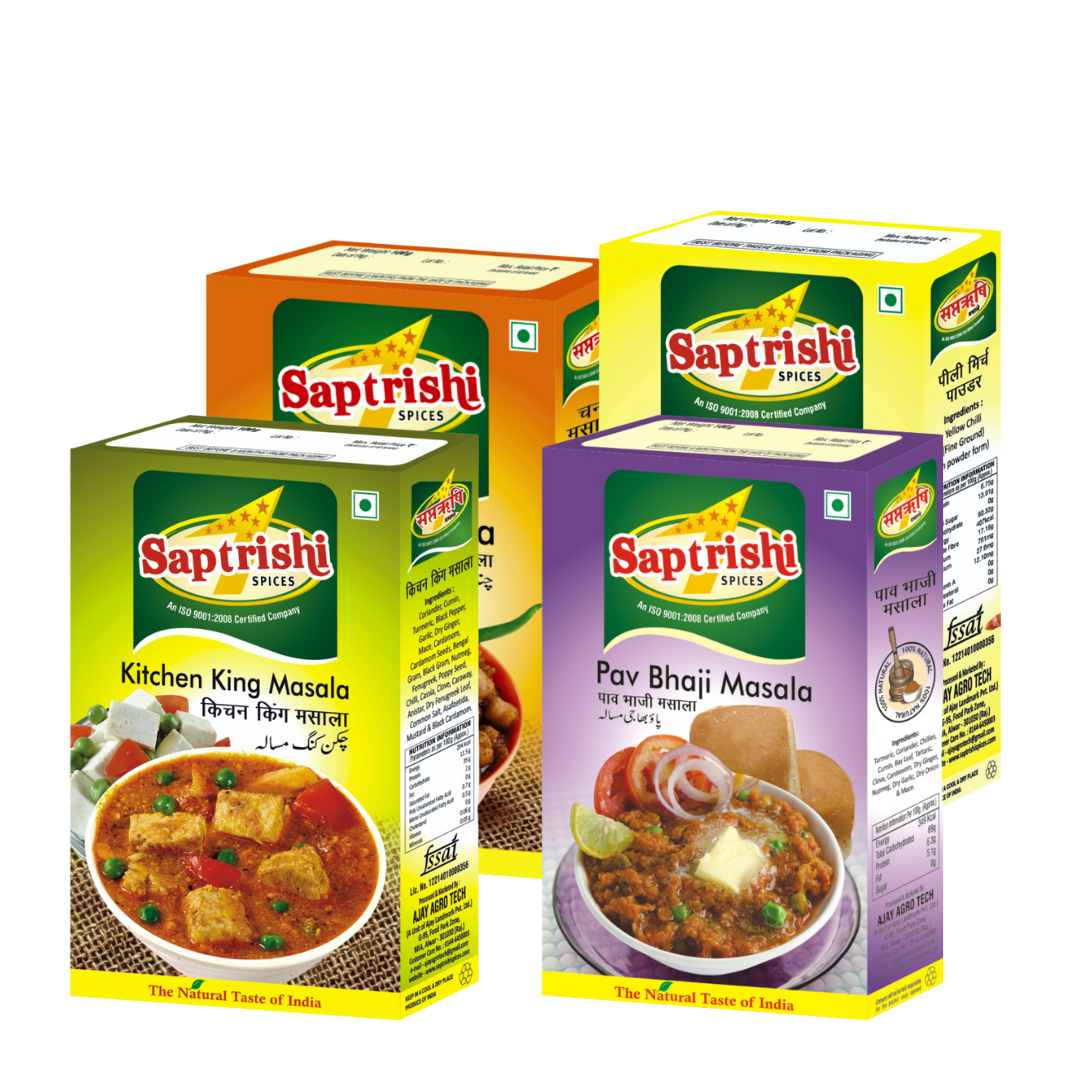
Garam masala is the famous one, but there's also sambar powder, rasam powder, pav bhaji masala, chaat masala, pani puri masala, goda masala, and a dozen others. Each one is a shortcut to a specific dish. They're not cheating. Every Indian kitchen has at least two.
What I'd actually tell someone starting out.
Don't buy fifteen spices on day one. Buy the four. Cook with them for a month. Then add hing and rai. Then garam masala. One at a time, so you learn what each one does. Buying the whole list at once means you never taste any of them individually, and you'll have a cabinet of stale powders by month four.
At Saptrishi our basic range is built around this idea — the core four, plus the ones you'll reach for next. Nothing exotic for its own sake. Explore the Saptrishi Foods collection to find the everyday spices you need.