

For the Indian homemaker, the quality of a meal is often judged by the texture of the roti. A soft, fluffy, and pliable roti is not just a side dish; it is a symbol of care and domestic mastery. However, many households struggle with rotis that turn hard or rubbery shortly after cooking. The primary culprit often lies in the choice of flour. When comparing Chakki Fresh Atta vs Regular Flour, the differences in processing, nutritional retention, and moisture absorption become the deciding factors in your kitchen's success. Understanding these nuances is essential for anyone aiming to provide the best for their family.

At Saptrishi Foods, we understand that purity and tradition are the cornerstones of a healthy household. As a brand rooted in the values of 'Purity, Taste, and Sustainability,' we have observed how the shift from traditional stone-grinding to industrial roller milling has impacted the daily diet of millions. In this comprehensive guide, we will dive deep into the science of milling and explain why the choice of your flour dictates the longevity of your roti's softness.
The Milling Revolution: Stone vs. Steel
To understand the debate of Chakki Fresh Atta vs Regular Flour, we must first look at how the grain is processed. Regular flour, often referred to as industrial or roller-milled flour, is produced in massive quantities using high-speed steel rollers. This process is designed for efficiency and shelf-life but often at the cost of the grain's integrity. The high speed of the rollers generates significant heat, which can denature the natural proteins and oils found in the wheat germ.
In contrast, Chakki Fresh Atta is produced using the age-old tradition of stone grinding. The 'Chakki' consists of two heavy stone plates that rotate at a much slower speed compared to industrial rollers. This slow-grinding process is 'cold-pressed' in nature, meaning it generates minimal heat. By keeping the temperature low, the essential oils, vitamins, and minerals within the wheat kernel remain intact. This preservation is the first step toward achieving Chakki Fresh Atta soft rotis that feel as good as they taste.
Why Regular Flour Falls Short
Regular flour is frequently heavily processed to achieve a very fine, white appearance. During roller milling, the three parts of the wheat grain—the bran (outer layer), the germ (the embryo), and the endosperm (the starchy middle)—are often separated. While some brands claim to add back the nutrients, the natural synergy of the whole grain is lost.
Furthermore, the lack of bran in regular flour reduces its fiber content. Fiber is not just important for digestion; it plays a critical role in how the flour interacts with water. Without sufficient fiber and natural oils, the dough lacks the structural integrity to remain soft once the heat from the Tawa dissipates. This is why rotis made from regular flour often feel 'stretchy' or 'bready' rather than soft and light.

Chakki Fresh Atta vs Regular Flour: The Secret to Long-Lasting Softness
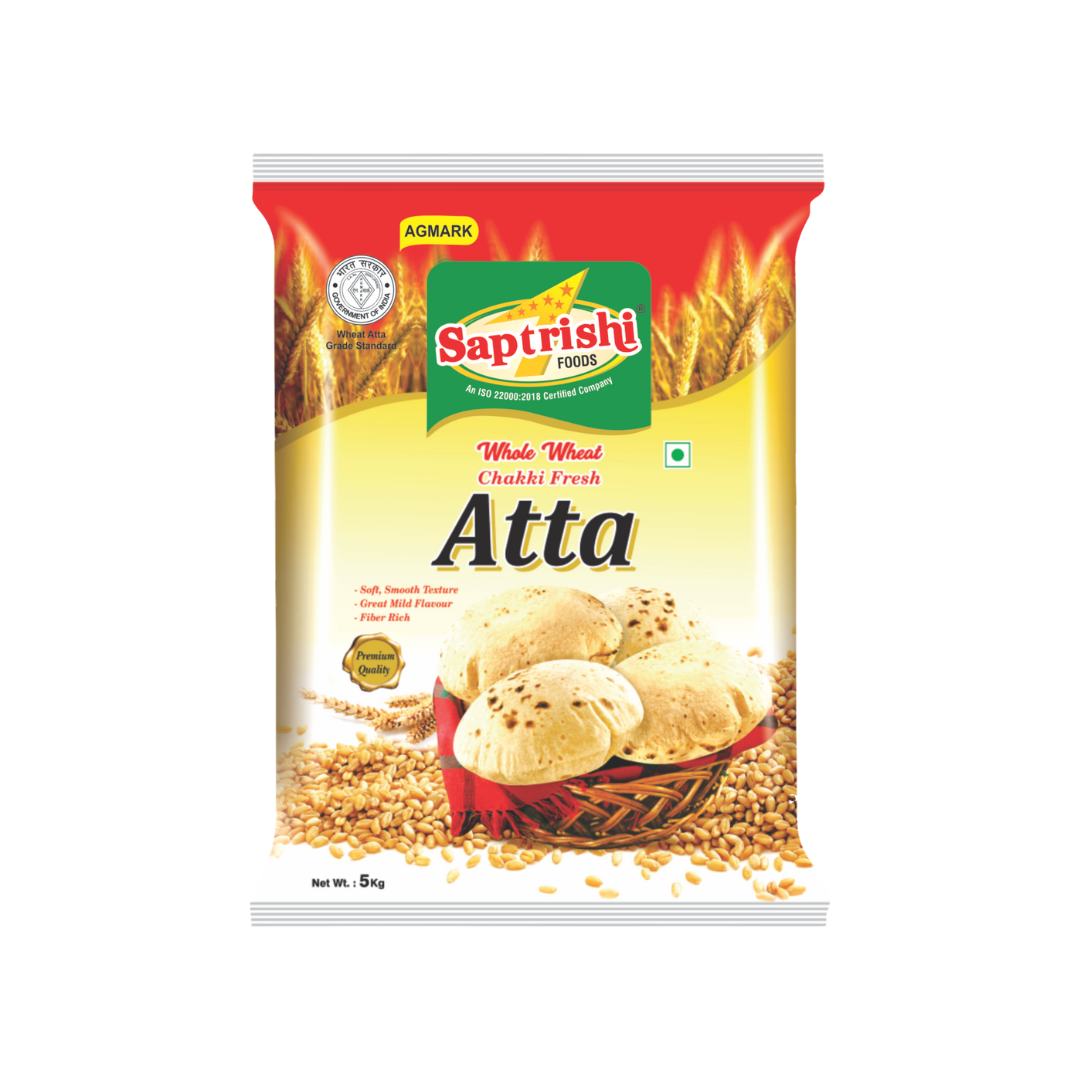
The most significant advantage of stone-ground flour is its superior water absorption capacity. When you use Saptrishi Chakki Fresh Atta, you are using a flour that contains the entire goodness of the wheat kernel, including the bran. The bran particles in Chakki Atta act like tiny sponges, soaking up and retaining more water during the kneading process.
When the dough is cooked, this retained moisture is released as steam, which helps the roti puff up (the classic Phulka) and keeps the internal layers moist. Even after the roti cools down, the fiber-bound moisture prevents it from drying out quickly. This is the secret behind Chakki Fresh Atta soft rotis. If you find yourself packing tiffins for your children or spouse, this moisture retention is the difference between a delicious lunch and a dry, difficult-to-eat meal.
The Role of Natural Oils
Wheat germ is the most nutrient-dense part of the grain, containing healthy fats and Vitamin E. In industrial milling, the germ is often removed to prevent the flour from going rancid on supermarket shelves for months. However, in the Chakki process, the germ is crushed and distributed throughout the flour. These natural oils act as a biological 'shortening,' lubricating the gluten strands and ensuring the texture remains supple. Saptrishi Foods ensures that our process respects these natural oils, bringing you flour that is as close to nature as possible.
Nutritional Superiority for the Conscious Homemaker
Choosing between Chakki Fresh Atta vs Regular Flour is not just about culinary performance; it is a health decision for your family. The Indian Spices and Flour market is currently seeing a shift toward 'Mass Premium' products where consumers prioritize purity over price. As noted in our Saptrishi Foods Blog, health-conscious homemakers are increasingly wary of the additives and bleaching agents found in mass-produced flours.
Chakki Fresh Atta is a powerhouse of nutrition:
1. High Fiber: Essential for gut health and maintaining steady blood sugar levels.
2. B-Vitamins: Stone grinding preserves Thiamine, Riboflavin, and Niacin.
3. Complex Carbohydrates: Provides sustained energy throughout the day, unlike the quick sugar spikes caused by refined flour.
4. No Chemicals: Authentic Chakki Atta, like the variety produced by Saptrishee Gold Spices LLP, is free from benzoyl peroxide (a common bleaching agent) and other improvers.
By choosing a brand that values 'Satvik' purity, you ensure that your daily bread is free from the hidden chemicals that are common in industrial food chains. Our commitment to sustainability and chemical-free production means every roti you serve is a step toward a healthier lifestyle.

Pro-Tips for the Perfect Soft Roti
Even with the best flour, technique matters. To get the most out of your Chakki Fresh Atta, follow these professional tips used by seasoned home cooks:
* The Warm Water Secret: Always use lukewarm water for kneading. This helps in faster gluten development and ensures the bran particles soften effectively.
* The Rest Period: Never cook your rotis immediately after kneading. Let the dough rest for at least 20-30 minutes. This allows the moisture to distribute evenly through every grain of flour.
* The Softness Test: Add a teaspoon of oil or ghee while kneading to further enhance the pliability, especially if you plan to store the rotis for more than 4 hours.
* High Heat Cooking: Rotis should be cooked on a medium-to-high flame. Cooking on a low flame for too long evaporates all the moisture, leading to a hard, biscuit-like texture.
The Saptrishi Promise
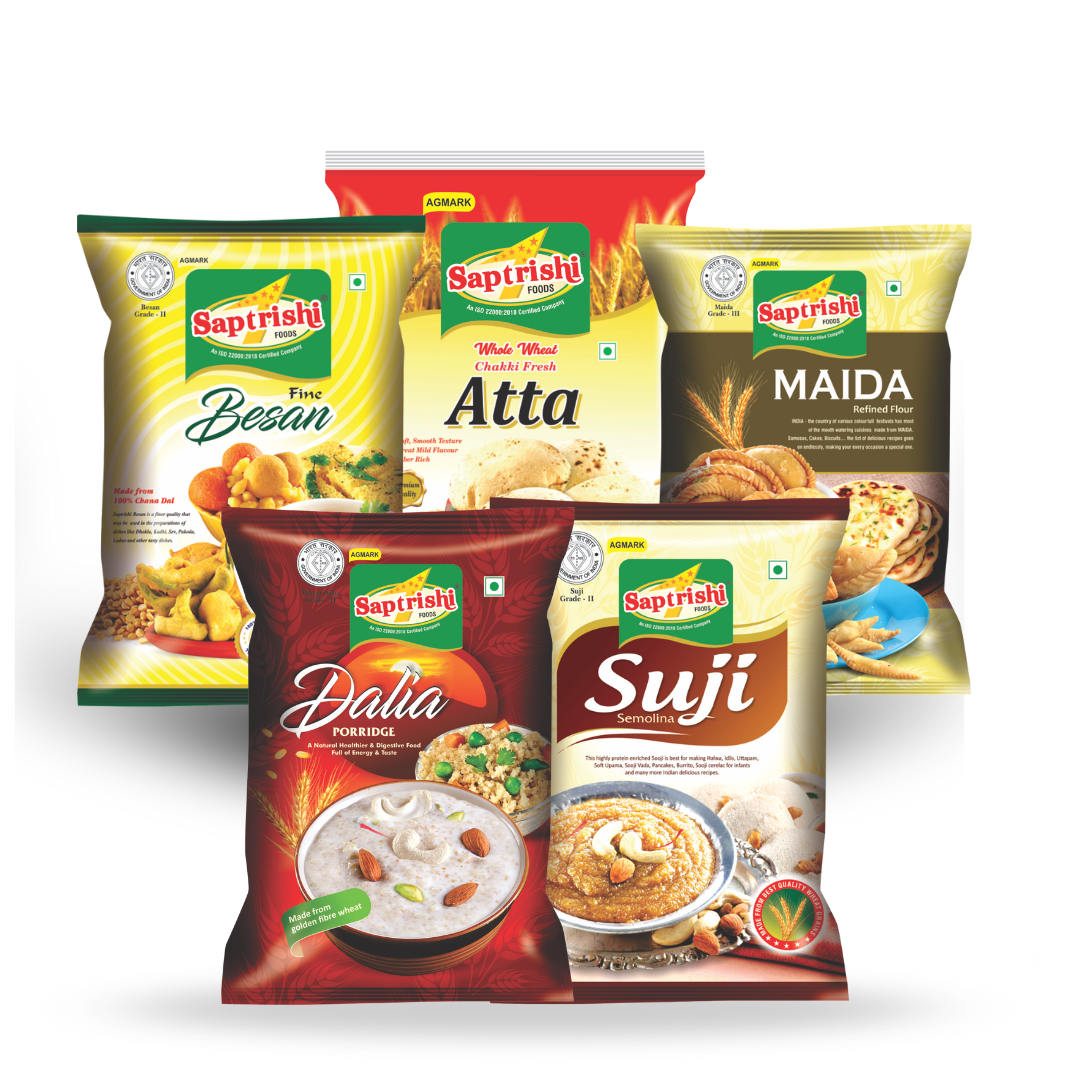
At Saptrishi Foods (Saptrishee Gold Spices LLP), we are transitioning from a regional leader in Rajasthan to a national name by staying true to our roots. Our Chakki Fresh Atta is sourced from the finest wheat fields and processed with the same integrity that defines our 'Gold Spices' lineage. We believe that the homemaker is the guardian of the family's health, and our mission is to provide the purest ingredients to support that noble task.
Our 'Farm to Fork' philosophy ensures that we work closely with partner farms to maintain a chemical-free supply chain. Whether it is our high-curcumin turmeric or our stone-ground flour, the goal remains the same: authentic Indian nutrition rooted in traditional wisdom.
Conclusion
In the debate of Chakki Fresh Atta vs Regular Flour, the winner is clear for those who value both taste and health. While regular flour offers convenience and a longer shelf-life for retailers, it robs the consumer of the vital nutrients and the superior texture that only stone grinding can provide.
By switching to Saptrishi Chakki Fresh Atta, you are not just choosing a product; you are choosing a tradition of purity. Give your family the gift of Chakki Fresh Atta soft rotis—the kind that stay fresh from breakfast to dinner, providing the wholesome nutrition that has been the backbone of Indian households for generations. Explore our range of pure spices and flours today and experience the 'Gold' standard of Indian cooking.