

25 Essential Indian Spices and Their Uses
Twenty-five sounds like a lot. It isn't, really. Once you've cooked with a spice a few times you stop thinking about it — it just goes in. The number only feels big on paper.
Here's the list. Grouped the way I actually think about them, not alphabetically.
The Ones You'll Use Every Single Day
1. Haldi (Turmeric). Golden, earthy, stains everything. Goes in early so the raw taste cooks off. A pinch in warm milk at night is a whole other thing. Too much and the dish turns bitter in a way you can't rescue.
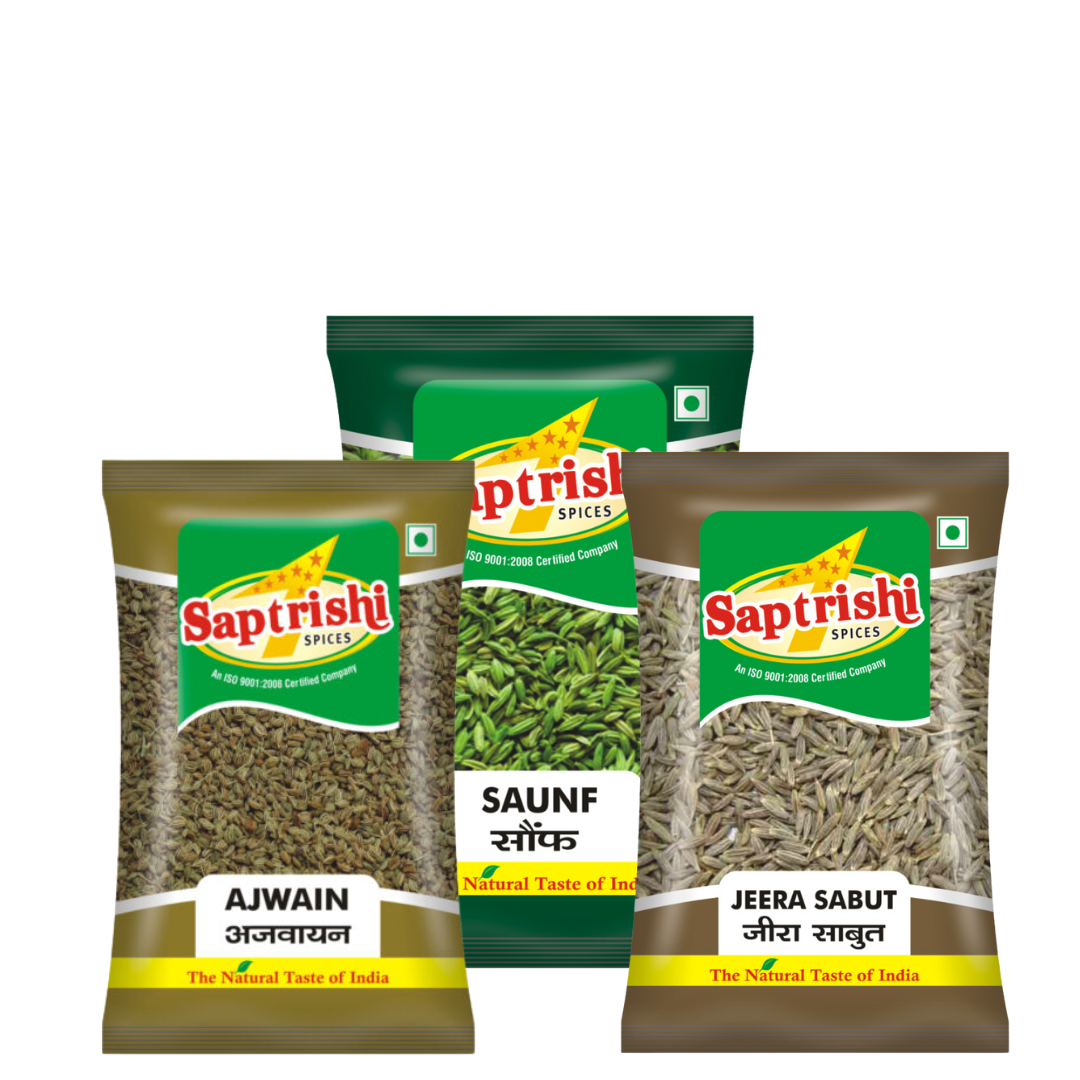
2. Jeera (Cumin). Whole seeds in hot oil. They crackle. That sound is your timer — a few seconds more and they burn. Ground jeera works differently; it goes into the dish, not the oil.
3. Dhaniya (Coriander Powder). Mild, citrusy, gives gravy body. Almost impossible to overdo. Buy small packs. It fades faster than you'd expect.
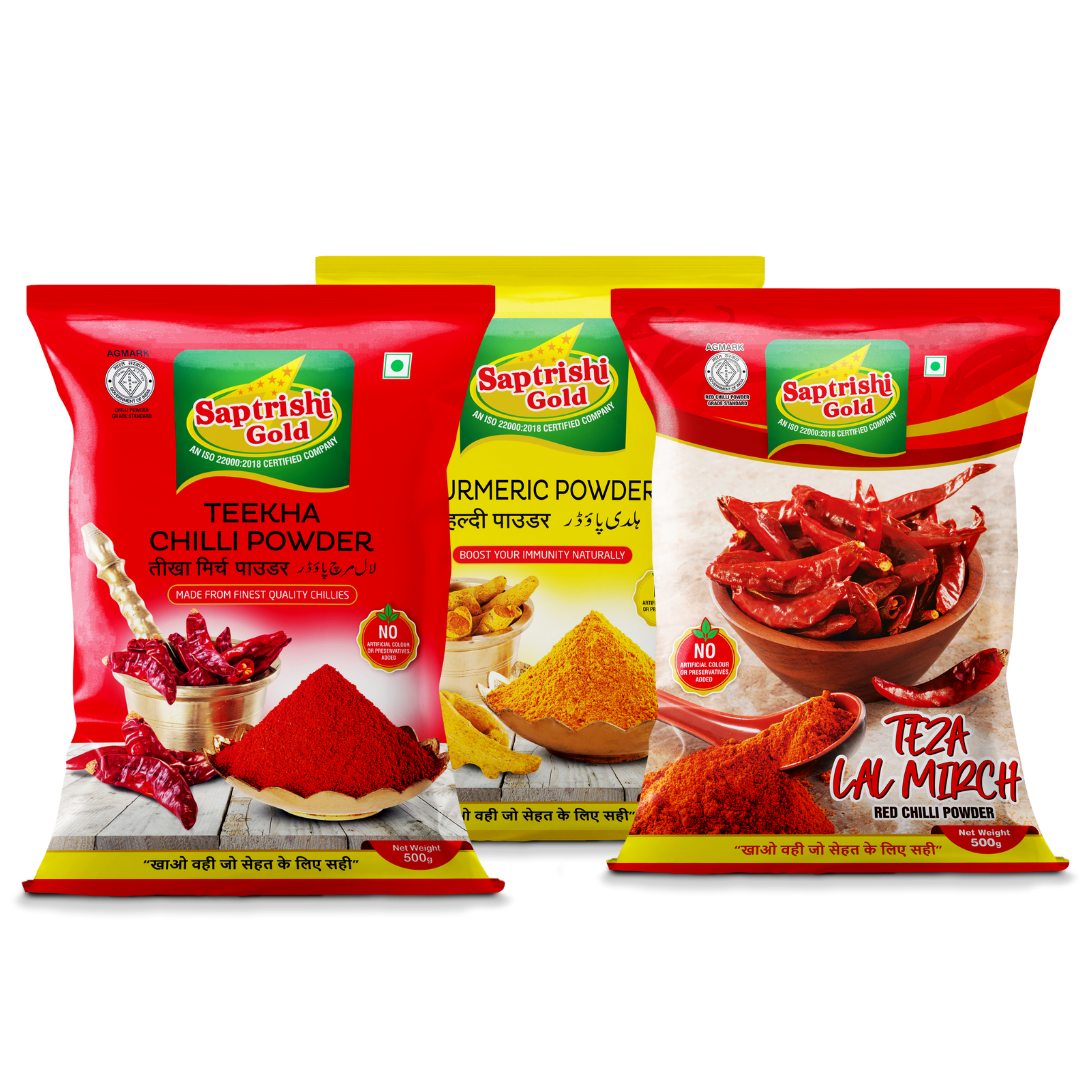
4. Lal Mirch (Red Chilli Powder). Not one thing. Teekha and Teza are hot. Kashmiri gives colour without much heat. Kuti Mirch is crushed — texture, flakes, better on stir-fries than fine powder is. Most kitchens should have two kinds, honestly.
5. Rai (Mustard Seeds). Tiny, black, explosive in hot oil. The popping is the point. Great with curry leaves and a bit of hing.
The Aromatics That Do the Heavy Lifting
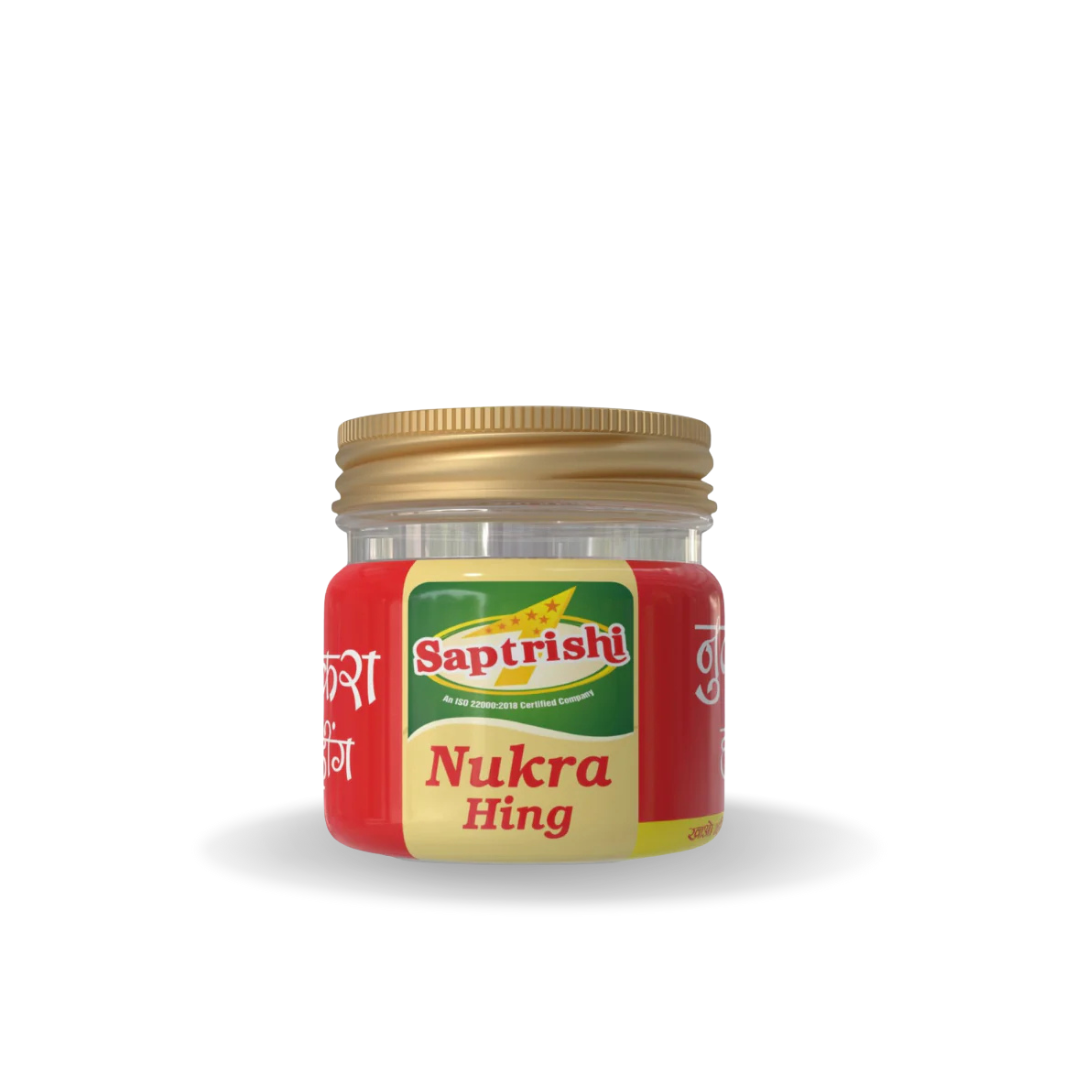
6. Hing (Asafoetida). Smells awful in the packet. Transforms in hot oil into something savoury and deep, close to onion. A pinch is enough. More than that and it takes over.
7. Lehsun (Garlic). Fresh, yes. But granulated garlic has its place in marinades when you don't want the moisture.
8. Adrak (Ginger). Fresh grated for most things. Dried ginger powder (sonth) for chai and some winter preparations.
9. Tej Patta (Bay Leaf). Goes in whole, comes out whole. You're not eating it, you're borrowing from it.
10. Dalchini (Cinnamon). Indian cinnamon (cassia bark) is thicker and stronger than the Ceylon kind. Good in garam masala, good in biryani.
The Souring Agents
11. Amchoor (Dry Mango Powder). Sourness with no liquid. Chaat, parathas, chole, dry sabzis. Underused, in my opinion.
12. Imli (Tamarind). Soaked and strained into a pulp. The backbone of chutneys and a lot of South Indian cooking.
13. Kokum. From the Konkan coast. Deep purple, tangy, used in sol kadhi and fish curries. If you've never cooked with it, start with sol kadhi.
14. Anardana (Pomegranate Seeds). Dried, slightly sticky, sour-sweet. Crushed into stuffings and some chaats.
The Warmers
15. Garam Masala. A blend, not a spice. Usually cinnamon, cloves, cardamom, black pepper. Add at the end. Long heat kills it.
16. Laung (Cloves). Strong. One or two in a biryani is enough. Three and you've ruined it.
17. Kali Mirch (Black Pepper). Freshly ground is a different spice than pre-ground. Not exaggerating.
18. Choti Elaichi (Green Cardamom). Sweet, floral. Desserts, chai, biryani. Also excellent in coffee, if you're curious.
19. Badi Elaichi (Black Cardamom). Smoky, almost medicinal. Not a substitute for green. Different job entirely.
20. Saunf (Fennel). Sweet, mild anise flavour. Goes into some garam masalas and a lot of mukhwas.
The Ones With Specific Jobs
21. Methi Dana (Fenugreek Seeds). Slightly bitter. Soak or dry-roast before using. A little goes far.
22. Kalonji (Nigella Seeds). Also called onion seeds, though they aren't. Sprinkle on naan, into pickles, over some sabzis.
23. Ajwain (Carom Seeds). Sharp, thyme-like. The go-to for anything with besan, and for heavier dals.
24. Kasuri Methi (Dried Fenugreek Leaves). Crush between your palms before adding. Almost always at the end. The smell alone is worth it.
25. Kesar (Saffron). Expensive, and worth it in small doses. Soak in a spoon of warm milk before adding. Biryani, kheer, some pulaos.
A Few Things Worth Saying
You don't need all twenty-five. Start with haldi, jeera, dhaniya, lal mirch. Cook with those for a month. Then add one or two at a time. Buying the whole list on day one is how you end up with a cabinet of stale powders.
Also — whole spices keep far longer than ground. Buy whole where you can, grind small batches. It's more work. It's also the difference between cooking with spices and cooking with dust.
And a small thing that took me too long to learn: smell the pack before you buy. If it doesn't hit you when you open it, it won't hit the dish either.
If you're stocking up, our range is at saptrishifoods.com. Code FIRST gets you 10% off your first order above ₹400