

Ingredients
As the mercury rises and the scent of raw mangoes begins to waft through the air, every Indian household prepares for the timeless ritual of pickling. If you are a seasonal pickle maker, you know that the secret to a batch that lasts the year lies in the quality of your ingredients. This is precisely Why Your Kitchen Needs Pili Sarso (yellow mustard seeds) to achieve that authentic, tangy, and shelf-stable result. Unlike its sharper cousin, the black mustard seed, Pili Sarso offers a nuanced complexity that is essential for traditional North Indian achars. In this comprehensive guide, we will explore the culinary and scientific reasons why yellow mustard is the unsung hero of the summer pickling season.
Pickling is not just a cooking method; it is a preservation art form passed down through generations. The choice of spice determines not only the flavor but also the longevity of the pickle. When we talk about Pili Sarso for pickles, we are referring to a specific variety of mustard that provides a milder heat but a much thicker, preservative-rich paste. This balance is critical when you are dealing with moisture-heavy fruits like mangoes or lemons. By the end of this article, you will understand why shifting from standard spices to premium yellow mustard seeds can transform your pickling outcomes from mediocre to masterclass level.

The Science of Preservation: Why Your Kitchen Needs Pili Sarso
One of the most important reasons Why Your Kitchen Needs Pili Sarso is its inherent preservative properties. Mustard seeds contain a compound called allyl isothiocyanate, which acts as a natural antimicrobial agent. In the context of summer pickling, where humidity can often lead to fungal growth or spoilage, Pili Sarso provides an extra layer of protection. It inhibits the growth of bacteria and molds, ensuring that your मेहनत (hard work) doesn't go to waste after a few months.
Furthermore, the physical structure of yellow mustard seeds is different from black mustard. When coarsely ground, Pili Sarso releases a mucilaginous substance that helps in thickening the pickling oil (masala). This creates a protective coating over the vegetable or fruit pieces, preventing air contact and oxidative rancidity. For those who prioritize food safety and shelf-life without using chemical preservatives, Premium Pili Sarso is an indispensable addition to the pantry.
In professional pickling, the acidity balance is also crucial. Pili Sarso has a slightly lower oil content but a higher protein profile compared to black mustard, which allows it to ferment more predictably. This predictable fermentation is what gives the pickles their signature 'khatta' (sour) tang without the harsh bitterness often associated with over-fermented black mustard seeds. It is this delicate chemistry that makes yellow mustard the preferred choice for high-end artisanal pickle brands.
Flavor Nuances: Pili Sarso vs. Black Mustard
While both varieties belong to the Brassica family, their roles in the kitchen are distinct. Black mustard seeds are typically used for tempering (tadka), where they pop and release a nutty, pungent aroma. However, when it comes to the base of a pickle masala, yellow mustard is superior. The flavor of Pili Sarso is mellow, slightly sweet, and earthy. This allows the primary ingredient—whether it be spicy green chilies or tart raw mangoes—to shine through without being overpowered by the spice base.
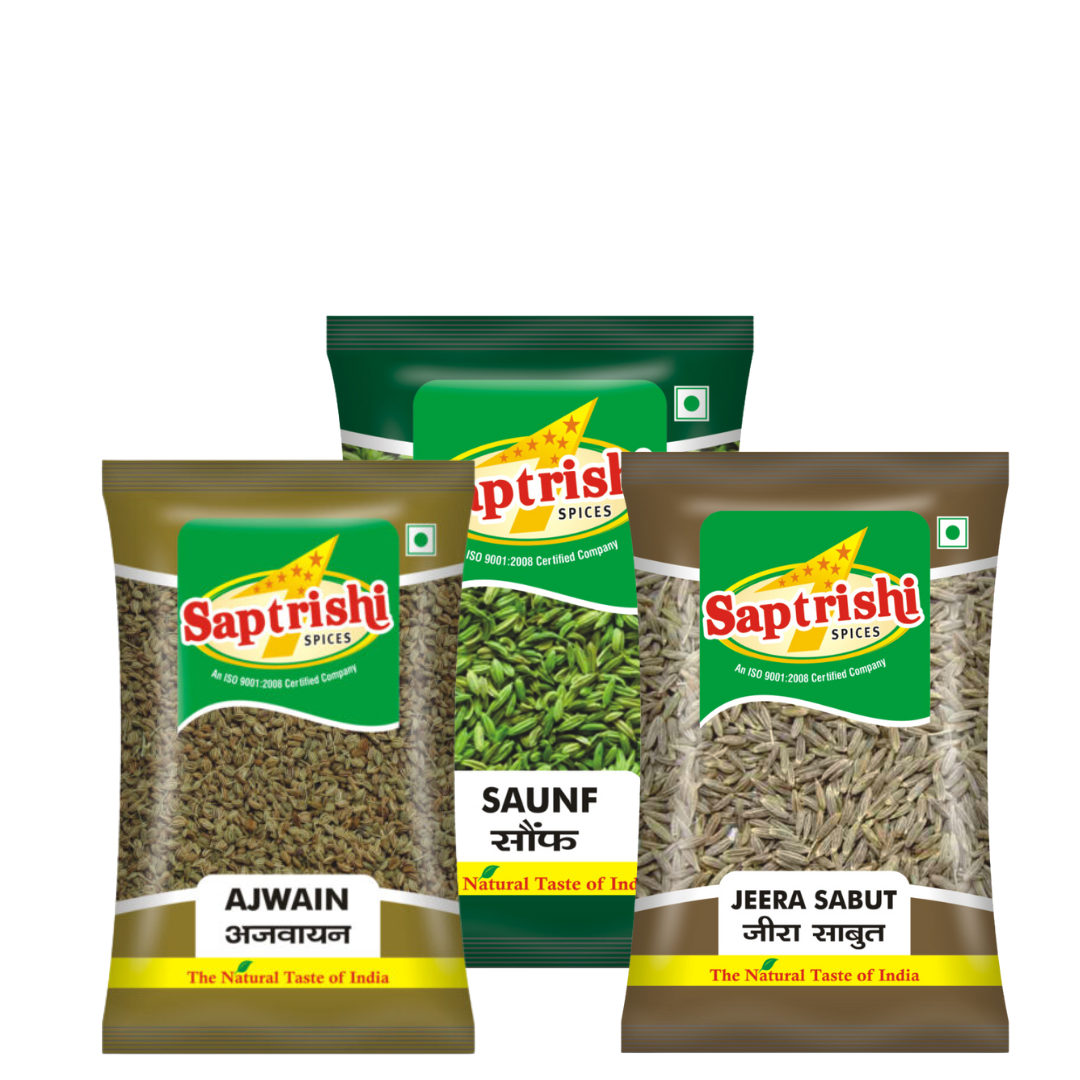
When you use Pili Sarso for pickles, the resulting gravy is vibrant and yellowish-gold, making the pickle visually appetizing. In states like Rajasthan and Uttar Pradesh, the golden hue of the pickle is considered a mark of quality. Black mustard often turns the masala a dark, muddy brown which can be unappealing to some. Moreover, the skin of yellow mustard is thinner, meaning it blends into the oil more smoothly, providing a texture that is grainy yet palatable. To explore a variety of such high-quality ingredients, you can browse the Whole Spices collection at Saptrishi Foods.

Essential Nutritional Benefits of Yellow Mustard
Beyond flavor and preservation, there is a health-conscious reason Why Your Kitchen Needs Pili Sarso. These tiny seeds are powerhouses of minerals like selenium and magnesium. Selenium is known for its anti-inflammatory properties, while magnesium helps in maintaining healthy blood pressure levels. Since pickles are consumed in small quantities daily as a condiment, incorporating nutrient-dense spices like yellow mustard contributes to your overall micronutrient intake.
Yellow mustard seeds are also rich in phytonutrients called glucosinolates. Studies have suggested that these compounds may have protective effects against certain types of digestive tract cancers. By choosing high-quality, unadulterated Pili Sarso, you are not just making a delicious accompaniment for your parathas; you are also engaging in a traditional form of functional medicine. The enzymes activated during the pickling fermentation process further enhance the bioavailability of these nutrients, making the pickle a probiotic-rich food that aids digestion during the heavy summer months.
Masterclass: Using Pili Sarso in Traditional Mango Pickle
To truly appreciate Why Your Kitchen Needs Pili Sarso, one must use it in a classic 'Aam ka Achar' recipe. Here is how professional picklers incorporate it:
1. Preparation: Sun-dry your raw mango pieces until the surface moisture is gone. Moisture is the enemy of any pickle.
2. The Spice Mix: Take 100g of Pili Sarso for every 1kg of mangoes. Pulse the seeds in a grinder to a 'coarse' consistency. Do not turn it into a fine powder, as the texture is vital for the mouthfeel.
3. Blending: Combine the ground yellow mustard with fennel seeds (saunf), nigella seeds (kalonji), turmeric, and red chili powder.
4. Oil Infusion: Heat mustard oil until it reaches the smoking point, then let it cool slightly. Pour a small amount over the spice mix to 'bloom' the flavors before adding the mangoes.
5. Aging: Pack the mixture into a sterilized glass jar and top with the remaining oil. The Pili Sarso will begin to ferment over the next 10-14 days, creating that mouth-watering tang.
Using Pili Sarso for pickles in this manner ensures that the masala clings to the fruit rather than settling at the bottom of the jar. This 'clinging' effect is what differentiates a high-quality homemade pickle from a watered-down commercial version. The yellow mustard acts as the binding agent that brings the oil and spices together in a harmonious emulsion.
Sourcing the Best: Why Quality Matters
Not all yellow mustard seeds are created equal. Many mass-market options are polished or treated with dyes to look more 'yellow,' which can ruin the chemical balance of your pickle and introduce unwanted toxins. This is why seasonal makers must be discerning. Real, high-quality Pili Sarso should have a natural, dull-yellow hue and a sharp, clean scent when crushed.
At Saptrishi Foods, the Pili Sarso is sourced from regions known for their optimal soil conditions, ensuring a high essential oil content. When you understand Why Your Kitchen Needs Pili Sarso from a reliable source, you realize that the cost of premium spices is a small investment compared to the cost of a spoiled 5kg batch of pickles. Always look for seeds that are free from dust, stones, and shriveled grains. A uniform size ensures that when you grind them, the consistency remains even, leading to a better texture in your finished product.

Common Myths About Yellow Mustard in Pickling
There are several misconceptions that might make beginners hesitant to use Pili Sarso. Let's debunk a few:
* Myth 1: It's too bitter. Actually, yellow mustard is significantly less bitter than black mustard. If your pickle is bitter, it is likely due to over-roasting the spices or using poor-quality oil.
* Myth 2: It doesn't preserve as well as salt. While salt is the primary dehydrator, yellow mustard is the secondary microbial barrier. They work in tandem; one cannot replace the other.
* Myth 3: You can use yellow mustard powder from the grocery store. Commercial mustard powders often contain flour or turmeric for color. For pickling, you must use whole seeds and grind them yourself to ensure the volatile oils are fresh.
Understanding these facts reinforces Why Your Kitchen Needs Pili Sarso this summer. It is the backbone of the pickling process, providing flavor, color, and safety.
Conclusion: Elevate Your Summer Traditions
As we have explored, the question isn't just about flavor; it's about honoring a tradition with the best possible tools. From its antimicrobial properties to its ability to create a perfect, thick masala, the evidence is clear on Why Your Kitchen Needs Pili Sarso. This summer, as you prepare your jars and dry your mangoes, don't settle for generic spices. Choose ingredients that reflect the effort and love you put into your recipes.
By selecting Pili Sarso for pickles from a trusted provider like Saptrishi Foods, you are ensuring that your pickles will be the talk of the family gathering. Whether you are a novice making your first jar or a seasoned veteran with decades of experience, the difference that high-quality yellow mustard makes is undeniable. Head over to our store to stock up on Premium Pili Sarso and our other Whole Spices today, and make this pickling season your most successful one yet. Happy pickling!