

Navratri is a period of deep spiritual significance, discipline, and detoxification for millions across India. For many observers, particularly in the North Indian heartland, understanding exactly what to eat during Navratri is essential to maintaining both religious purity and physical vitality. Fasting during these nine nights isn't just about abstaining from certain foods; it is a holistic journey toward 'Sattva'—a state of purity, clarity, and harmony. In this comprehensive guide, we explore the nuances of the Falahari diet, ensuring your fast is both spiritually rewarding and nutritionally balanced.
At Saptrishi Foods, we understand that during these holy days, the purity of your ingredients is non-negotiable. Whether you are a seasoned observer or fasting for the first time, navigating the specific dietary restrictions can be challenging. From selecting the right flours to ensuring your salts are untainted, every choice matters. This guide will walk you through the permitted foods, the science behind the traditions, and how to choose the highest quality staples for your kitchen.
The Significance of the Satvik Diet
During Navratri, the transition from heavy, processed foods to a Satvik diet is intended to cleanse the body and mind. Traditional North Indian fasting avoids 'Tamasic' foods like onion, garlic, meat, and grains like wheat and rice. Instead, the focus shifts to 'Falahari' (fruit-based) or 'Vrat' friendly ingredients. This dietary shift aligns with the changing seasons, helping the body build immunity through light, easily digestible meals.
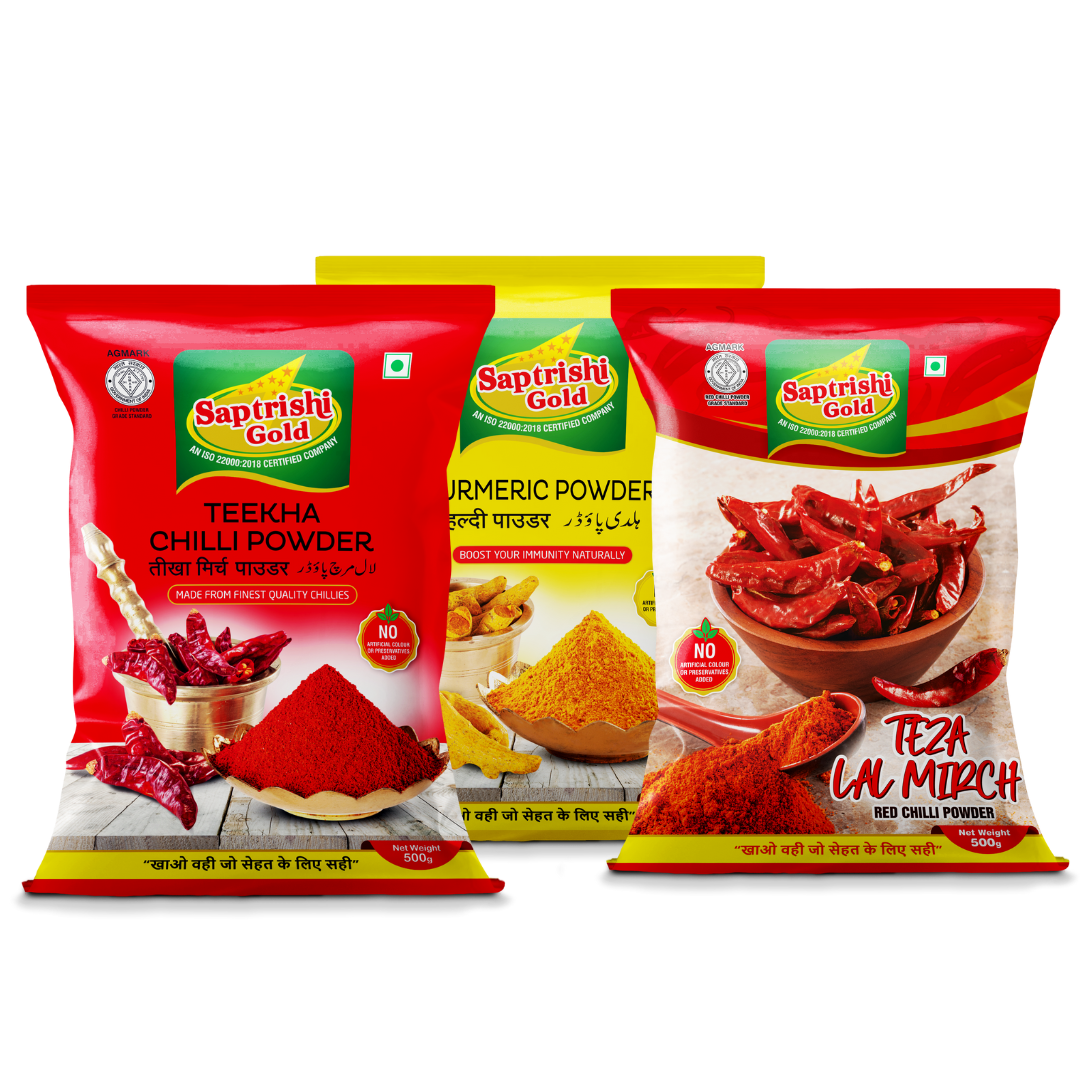
Choosing the right ingredients is the foundation of a successful fast. Many commercially available products may contain hidden additives or anti-caking agents that violate the principles of a pure fast. This is why many families trust brands like Saptrishi Foods, which emphasizes chemical-free processing and traditional grinding methods. Using pure Sendha Namak Powder for Fasting: A Complete Guide ensures that your meals remain truly Satvik and rich in essential minerals like potassium and magnesium, which are often depleted during fasting.
What to Eat During Navratri: A Comprehensive Fasting Food List
When planning your meals, it is helpful to have a reliable Navratri fasting food list to refer to. The key is to include a variety of food groups to ensure you are getting enough protein, complex carbohydrates, and healthy fats. Here is a breakdown of the essentials:
1. Fasting Flours (Vrat ka Atta)
Standard wheat and rice are replaced with nutrient-dense, gluten-free alternatives. These flours are rich in fiber and keep you full for longer durations.
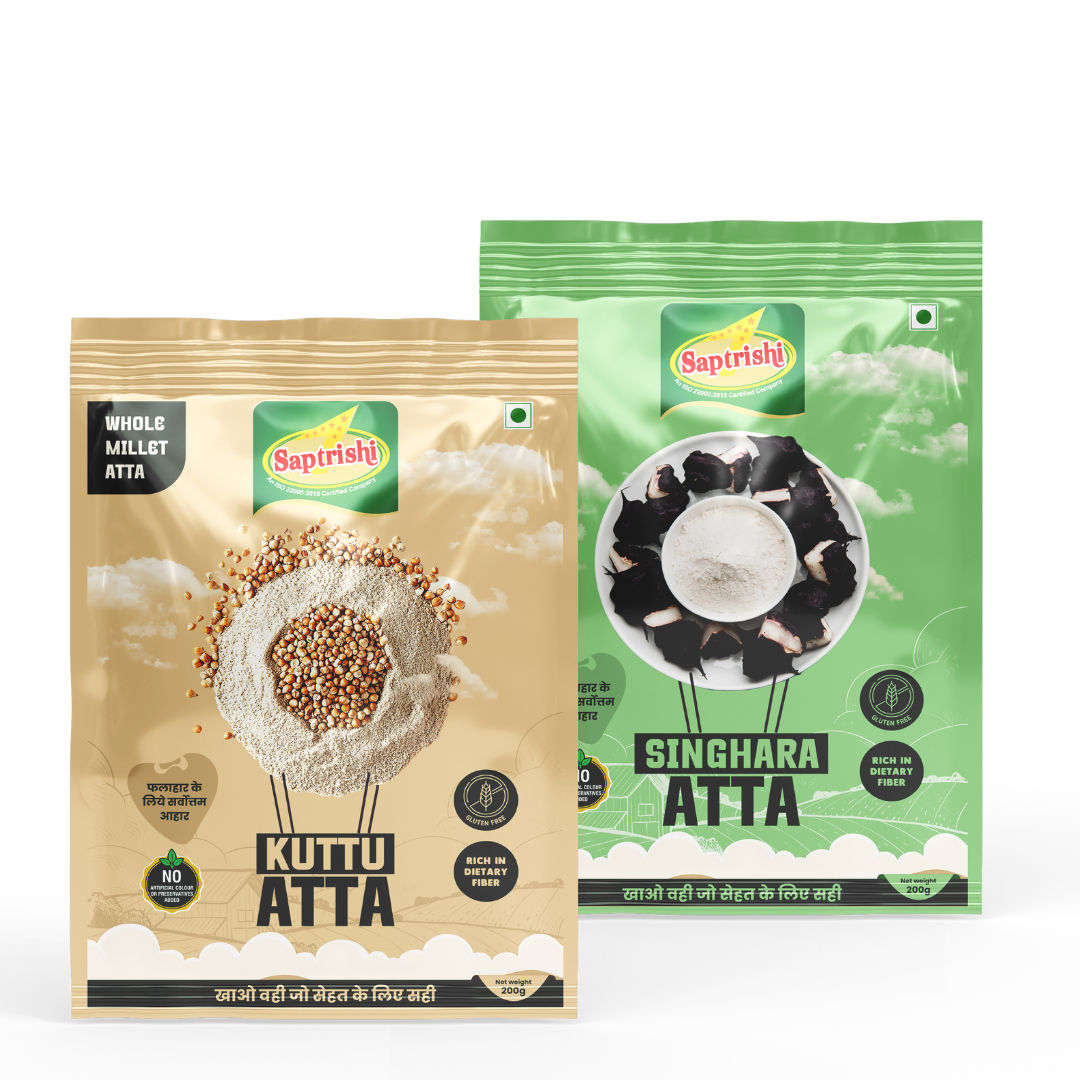
- Kuttu ka Atta (Buckwheat Flour): A warming food, rich in protein and fiber.
- Singhare ka Atta (Water Chestnut Flour): Cooling in nature and excellent for making rotis or puris.
- Rajgira ka Atta (Amaranth Flour): Packed with calcium and iron, making it an energy powerhouse.
- Sama ke Chawal (Barnyard Millet): A great substitute for regular rice, perfect for khichdi or kheer.
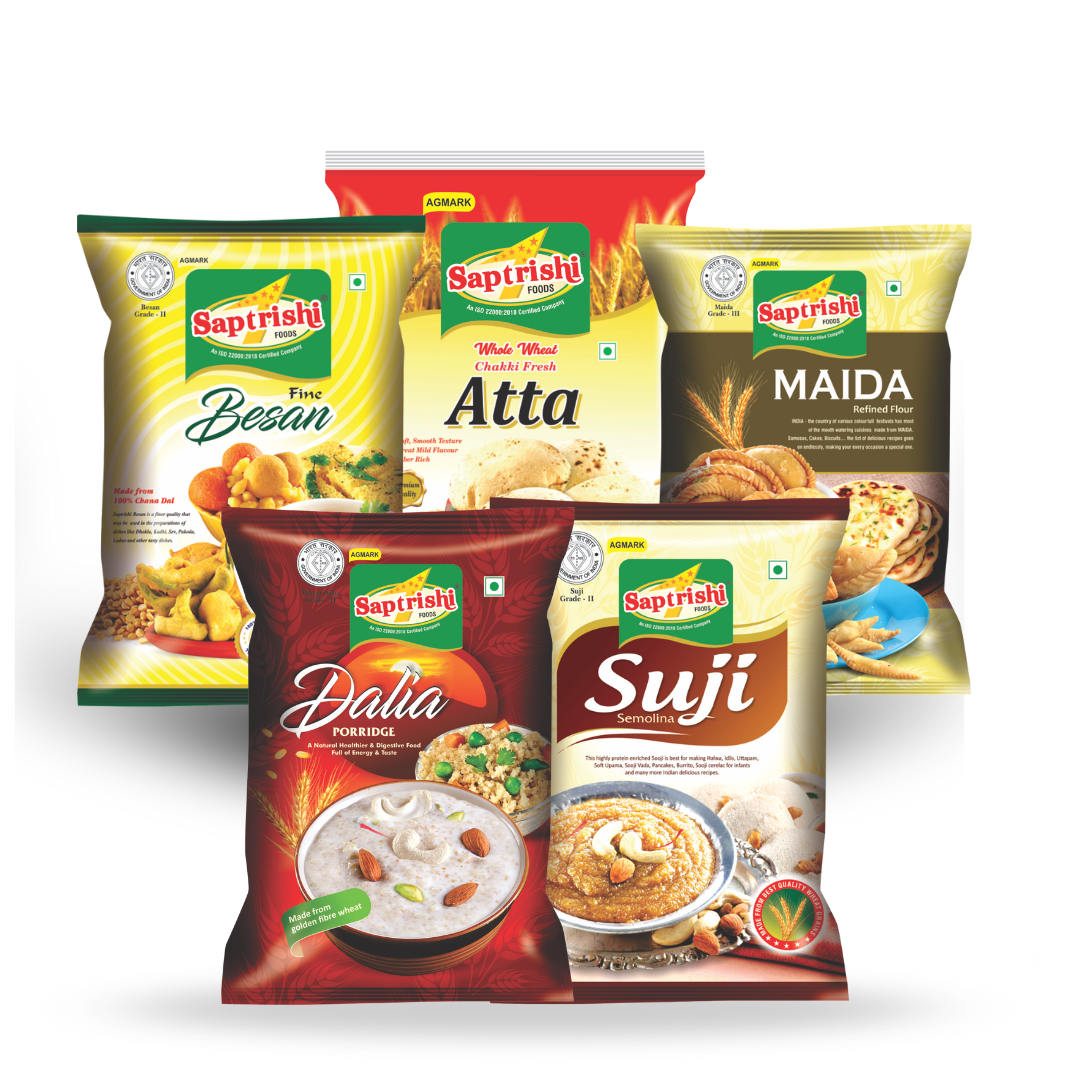
For those who prefer a high-quality staple, using a trusted source like Saptrishi Chakki Fresh Atta for your non-fasting days ensures a seamless transition to the purity required during Vrat periods.
2. Vegetables and Fruits
While most grains are restricted, a wide variety of vegetables are permitted during Navratri fasting. Potatoes (Aloo) are the most common, but expanding your palette can provide better nutrition.
- Permitted Vegetables: Sweet potato (Shakarkandi), Arbi (Colocasia), Raw Banana, Bottle Gourd (Lauki), Pumpkin (Kaddu), and Ginger.
- Fruits: All fresh fruits are allowed and encouraged. They provide natural sugars for energy and essential hydration. Bananas, apples, and pomegranates are particularly popular for their satiety levels.
3. Spices and Seasonings
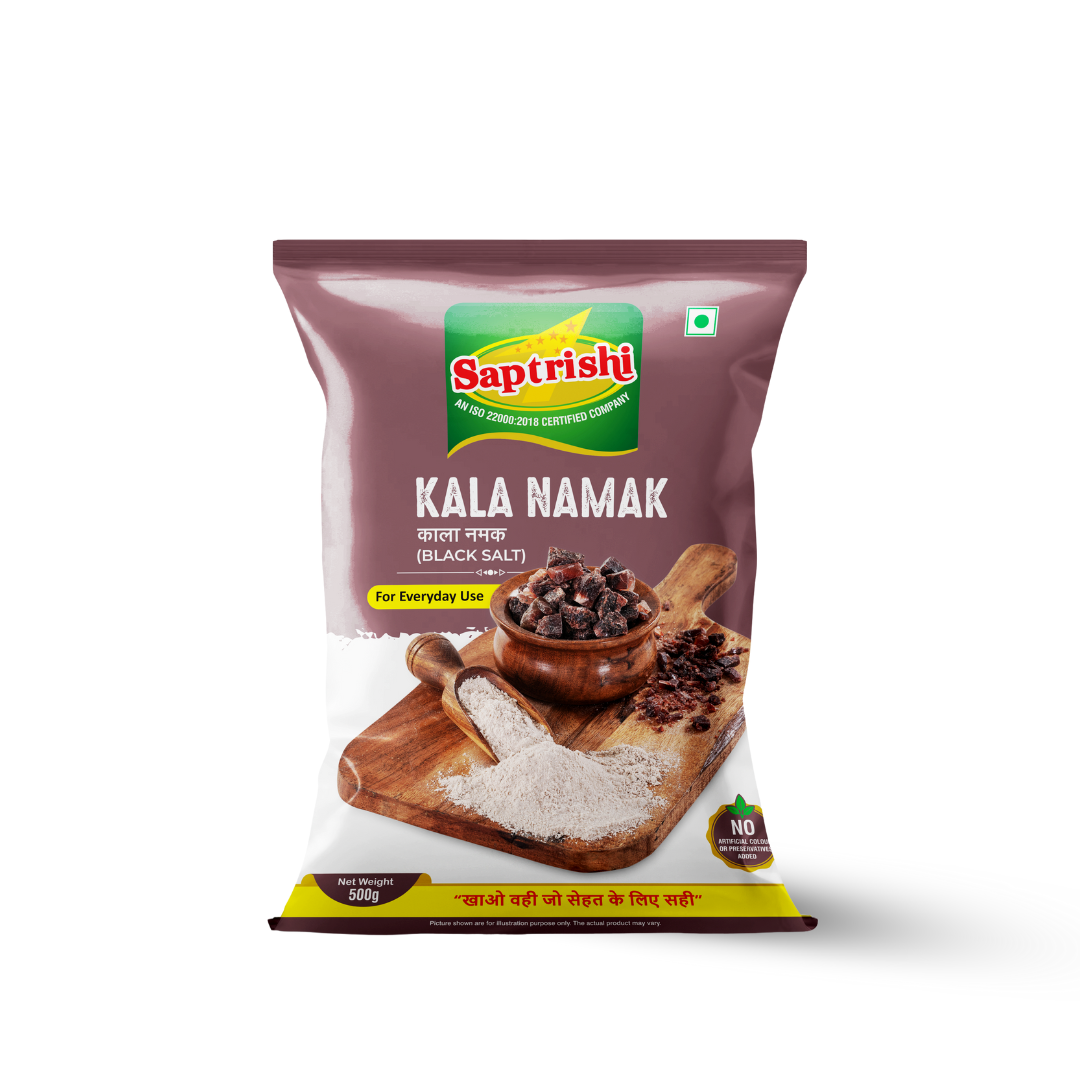
This is where many people inadvertently break their fast. Regular table salt is replaced by Sendha Namak (Rock Salt). It is the purest form of salt, unprocessed and free from environmental pollutants.
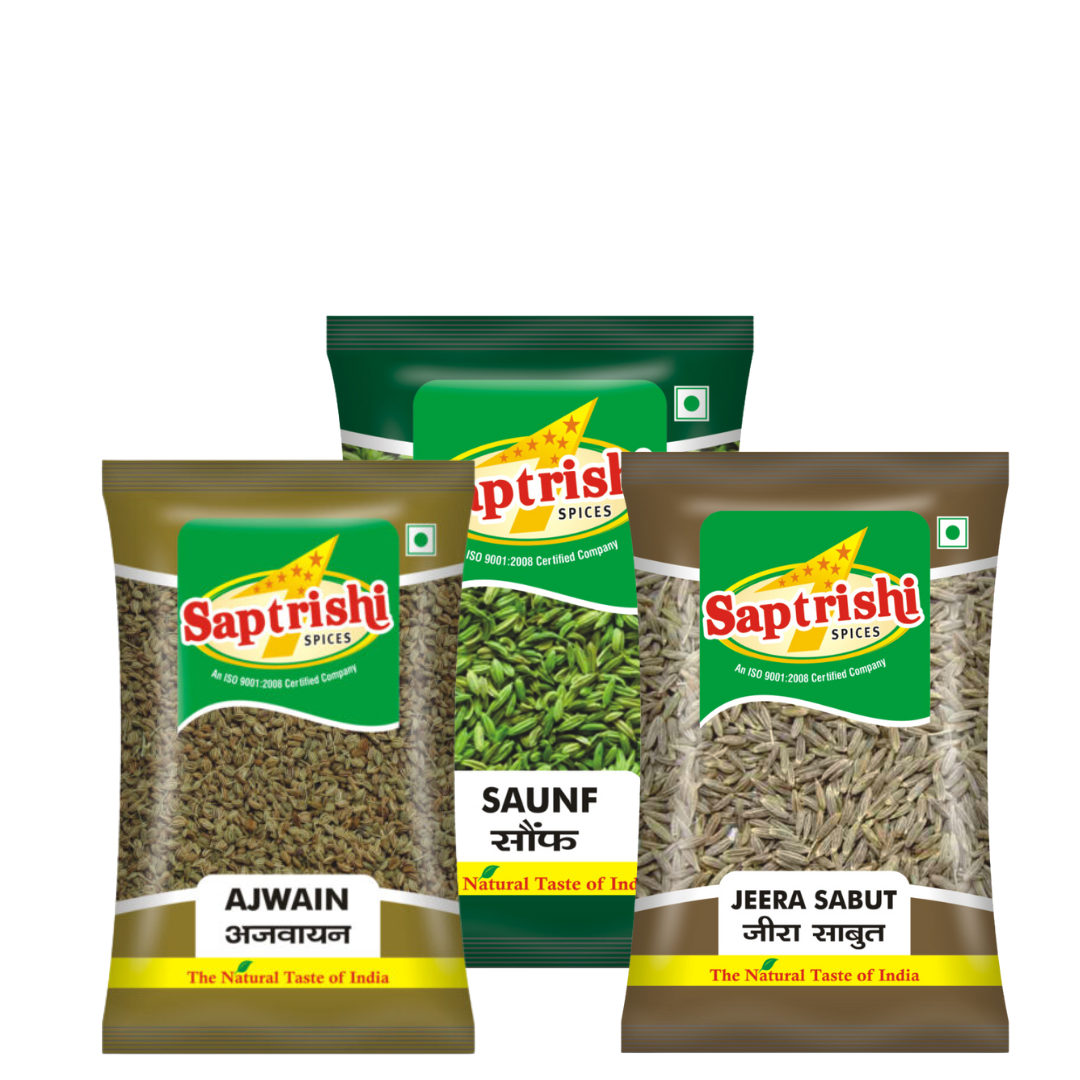
- Allowed Spices: Cumin (Jeera), Green Cardamom, Cloves, Black Pepper, and Cinnamon.
- Avoid: Turmeric (unless homemade), Heeng (Asafoetida), and Red Chilli powder (often replaced by black pepper or green chillies).
4. Dairy and Proteins
Dairy products are vital for protein intake during a vegetarian fast.
- Paneer and Curd: Excellent sources of protein and probiotics.
- Milk: Used in various desserts or consumed plain for strength.
- Makhana (Fox Nuts): A low-calorie, high-protein snack that can be roasted with a little ghee and Sendha Namak.
Sample Navratri Meal Plan for Energy
Maintaining energy levels throughout the day is the biggest challenge when deciding what to eat during Navratri. A balanced meal plan prevents the 'sugar crashes' often associated with high-carb fasting foods like fried potatoes.
Morning: Start your day with a handful of soaked almonds and walnuts, followed by a bowl of fresh fruits or a glass of milk.
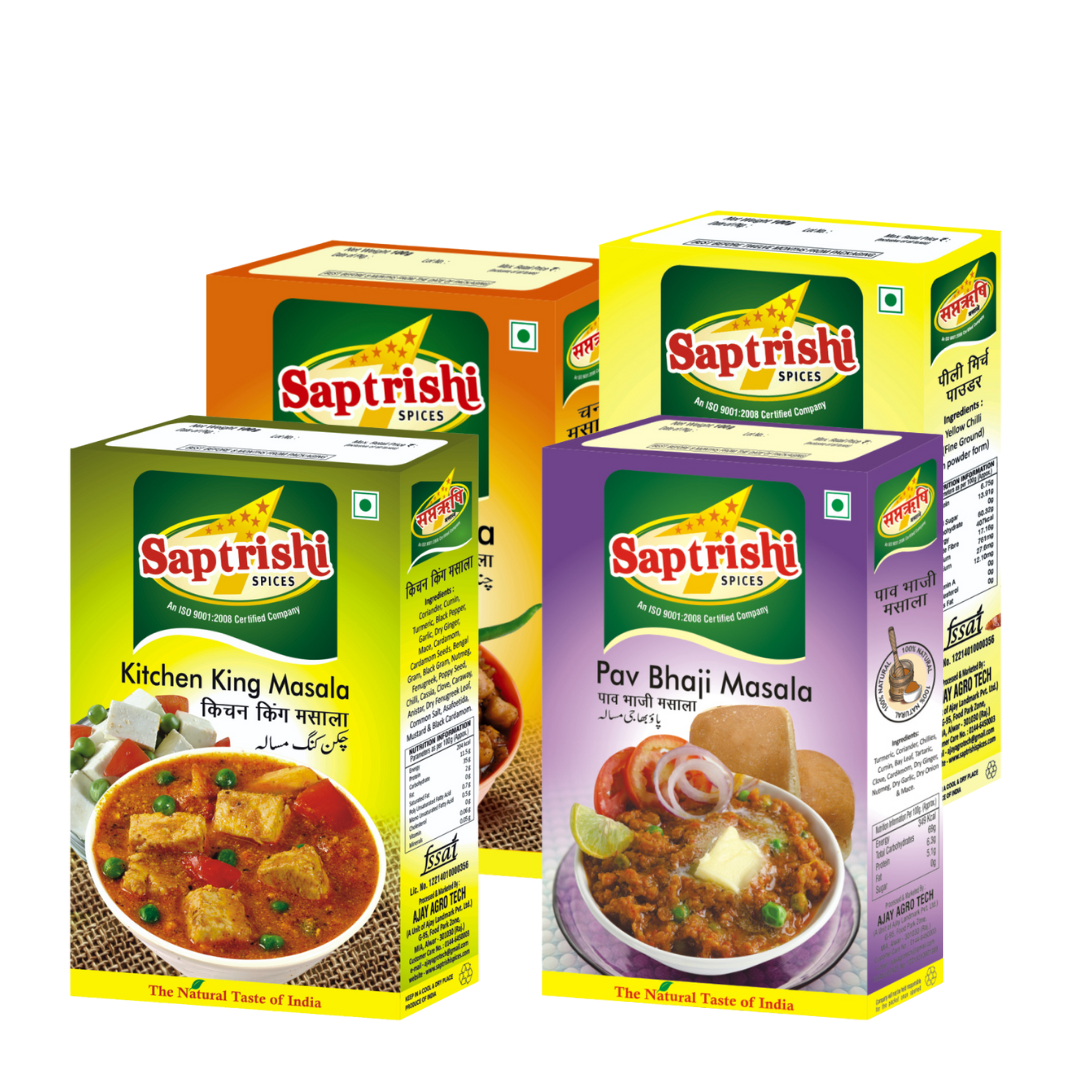
Lunch: A balanced thali including two Kuttu or Singhara rotis, a bowl of Curd, and a serving of Lauki (Bottle Gourd) or Aloo (Potato) curry cooked in pure Ghee. Using Saptrishi’s range of pure spices can elevate the aroma and taste of these simple dishes without compromising purity.
Evening Snack: Roasted Makhana or a refreshing fruit salad. If you feel a dip in energy, a glass of coconut water or lemonade made with Sendha Namak works wonders.
Dinner: Keep it light. A bowl of Sama ke Chawal (Barnyard Millet) Khichdi or a vegetable soup is ideal for easy digestion before sleep.
Why Purity Matters: The Saptrishi Foods Commitment
In the modern world, the spice industry has unfortunately been marred by reports of adulteration—from synthetic colors in turmeric to sawdust in coriander. For a devotee observing Navratri, this is more than a health concern; it is a matter of faith. Saptrishi Foods (Saptrishee Gold Spices LLP) was founded on the principles of the 'Seven Sages'—wisdom, purity, and tradition.
Located in Alwar, Rajasthan, we pride ourselves on being a 'Mass Premium' brand that brings lab-tested, chemical-free spices and flours to your doorstep. Our founder’s background in the military reinforces a culture of discipline and integrity in every batch we produce. When you choose our products, you are choosing ingredients that are ground at low temperatures to retain their natural oils and nutritional value, ensuring that your Navratri meals are as healthy as they are holy.
Tips for a Healthy Navratri Fast
1. Hydration is Key: Drink plenty of water, buttermilk, and coconut water. Dehydration is often mistaken for hunger.
2. Avoid Over-Frying: While Kuttu puris are delicious, try to incorporate more baked or steamed options like Sama khichdi or boiled sweet potatoes.
3. Quality Over Quantity: Use small amounts of high-quality fats like A2 Ghee and pure spices to satisfy your palate without needing large portions.
4. Listen to Your Body: Fasting is meant to be a positive experience. If you feel dizzy or weak, adjust your intake of fruits and nuts immediately.
Conclusion: Celebrating Tradition with Purity
Knowing what to eat during Navratri allows you to focus on the spiritual aspects of the festival without worrying about your health or the purity of your diet. By following a structured Navratri fasting food list and choosing ingredients from trusted, chemical-free sources like Saptrishi Foods, you can ensure a vibrant and fulfilling nine days of devotion.
As you prepare for the upcoming Navratri, remember that the food you consume is an offering to the divine and a fuel for your body. Choose wisely, eat mindfully, and let the purity of your plate reflect the purity of your prayers. Explore our range of fasting-friendly essentials today and bring the authentic taste of North Indian tradition to your home.