

Did you know that Asafoetida (Hing) is one of the most commonly adulterated spices in the Indian market? From soapstone and sand to artificial resins and chalk powder, what you bring into your kitchen might be far from pure. For conscious buyers who prioritize authentic, chemical-free nutrition for their families, ensuring the purity of your spices is absolutely non-negotiable.
Among the highest grades available, nukra hing stands out for its potent aroma and pure crystalline form. Because of its premium nature, it is frequently targeted by counterfeiters looking to increase weight and cut costs. Learning how to identify genuine quality is essential for preserving both the authentic taste of your meals and your digestive health.
In this comprehensive guide, we will walk you through easy, science-backed methods to verify the authenticity of your spices right in your kitchen.
Here is what we will cover:
* What Exactly is Nukra Hing?
* The Flame Test (Burn Test)
* The Water Dissolution Test
* The Tincture of Iodine Test
* Common Mistakes When Buying and Storing
* Why Purity Matters for Your Health
* Where to Buy Authentic, Lab-Tested Hing
* Frequently Asked Questions

What Exactly is Nukra Hing?
Before we dive into the testing methods, it is crucial to understand what you are actually looking for. Nukra hing refers to the raw, unblended, and crystalline tear-shaped resin extracted directly from the roots of the Ferula plant. Unlike compounded hing powder—which is heavily mixed with wheat flour, rice flour, or gum arabic to mellow its extreme pungency—nukra is the purest, most potent, and unadulterated form of the spice.
Characteristics of Genuine Quality
* Color: Pure resin typically ranges from a pale yellow to a light, amber-brown, darkening slightly upon prolonged exposure to air.
* Aroma: It boasts an intensely pungent, sulfurous smell. The aroma is so strong that even a closed jar can sometimes scent a whole cabinet.
* Texture: Genuine crystals are brittle and hard when cold, but they become slightly sticky or pliable when held in warm hands due to the natural volatile oils melting.
The Flame Test (Burn Test) for Nukra Hing
One of the oldest, most visual, and most reliable ways to verify the authenticity of your nukra hing is the flame test. Pure asafoetida resin is highly flammable due to its rich concentration of natural essential oils. This simple kitchen experiment can immediately reveal if your spice contains heavy, non-combustible fillers like clay, sand, or soapstone.
Step-by-Step Instructions
1. Take a small, pea-sized crystal of your hing.
2. Hold it carefully using a pair of metal tongs or place it on a heat-resistant spoon.
3. Bring the crystal close to a direct flame, such as a gas stove or a lighter.
Analyzing the Results
* Pure: Authentic resin will catch fire easily and burn with a bright, steady flame, very much like camphor. Once it finishes burning, it leaves behind a minimal, light white ash residue.
* Adulterated: If the sample does not catch fire easily, merely chars, sputters aggressively, or leaves behind a heavy, dark, earthy residue, it is highly likely that the spice is heavily adulterated with dirt or chalk.

The Water Dissolution Test
Another excellent and completely safe method to test your nukra hing at home is the water dissolution test. Genuine asafoetida is largely soluble in water, creating a specific visual reaction. This test is highly effective for spotting insoluble fillers like sand, chalk powder, or sawdust that unscrupulous vendors use to bulk up the product's weight.
How to Perform the Test
1. Fill a clear glass with warm tap water.
2. Drop a small piece of the hing into the glass.
3. Stir the water gently with a spoon and observe the liquid for a few minutes.
What to Look For
* Pure: The genuine resin will dissolve slowly, turning the water into a milky white, slightly cloudy solution. There should be absolutely no gritty sediment remaining at the bottom of the glass.
* Adulterated: If the water turns an unnatural color (indicating artificial dyes), or if you see a distinct layer of sand, grit, or sawdust settling at the bottom, the spice is compromised.
The Tincture of Iodine Test
While true nukra hing is raw and should never contain added flours, sometimes shady suppliers coat the premium crystals in starch to prevent sticking or to artificially add weight. The iodine test is a standard laboratory technique that you can easily and safely replicate in your kitchen to detect hidden starches like wheat, corn, or rice flour.
Detecting Starch Adulteration
1. Crush a tiny amount of the hing and dissolve it in a tablespoon of water.
2. Add a few drops of Tincture of Iodine (which is readily available at local pharmacies) to the dissolved solution.
* Pure: The solution's color will remain largely unchanged, maintaining a yellowish or light brownish tint from the iodine.
* Adulterated: If the solution immediately turns a deep blue or dark black color, it strongly indicates the presence of unauthorized starch fillers.

Common Mistakes When Buying and Storing
Even if you know exactly how to test for purity, avoiding common purchasing and storage pitfalls is essential to maintaining the quality of your nukra hing. Many consumers inadvertently ruin the potency of their pure, expensive spices through improper handling and storage.
Avoiding Pitfalls
* Buying Loose from Bins: Always avoid purchasing loose chunks from open market bins. Prolonged open-air exposure depletes the volatile essential oils and increases the risk of bacterial contamination.
* Improper Storage Containers: Storing this intensely pungent spice in thin plastic pouches or cardboard boxes will cause the aroma to leak, cross-contaminating other pantry items and fading the hing's flavor. Always use an airtight glass or stainless-steel container.
* Ignoring Certifications: Relying solely on your nose or eyes is a mistake in today's sophisticated market. Look for brands that offer lab-tested, chemical-free guarantees to ensure you get exactly what you pay for.
Why Purity Matters for Your Family's Health
Settling for adulterated spices isn't just a matter of culinary disappointment—it is a genuine health hazard for you and your family. Pure nukra hing is deeply revered in Ayurveda and traditional Indian medicine for its potent digestive, anti-inflammatory, and antimicrobial properties.
The Hidden Dangers of Fake Spices
Consuming fake hing means you are unknowingly ingesting synthetic colors, coal tar dyes, soapstone, and indigestible fillers. Over time, these adulterants can lead to severe gastrointestinal distress, allergic reactions, and long-term toxicity. By investing in pure, lab-tested spices, you are actively protecting your family's health while preserving the authentic regional taste of your traditional heirloom dishes.

Where to Buy Authentic, Lab-Tested Hing
Sourcing genuine, chemical-free spices can be incredibly challenging in a market completely flooded with counterfeits and mass-produced blends. The key is to find a trusted brand that prioritizes transparency, traditional processing, and rigorous third-party lab testing.
Trusting Saptrishi Foods
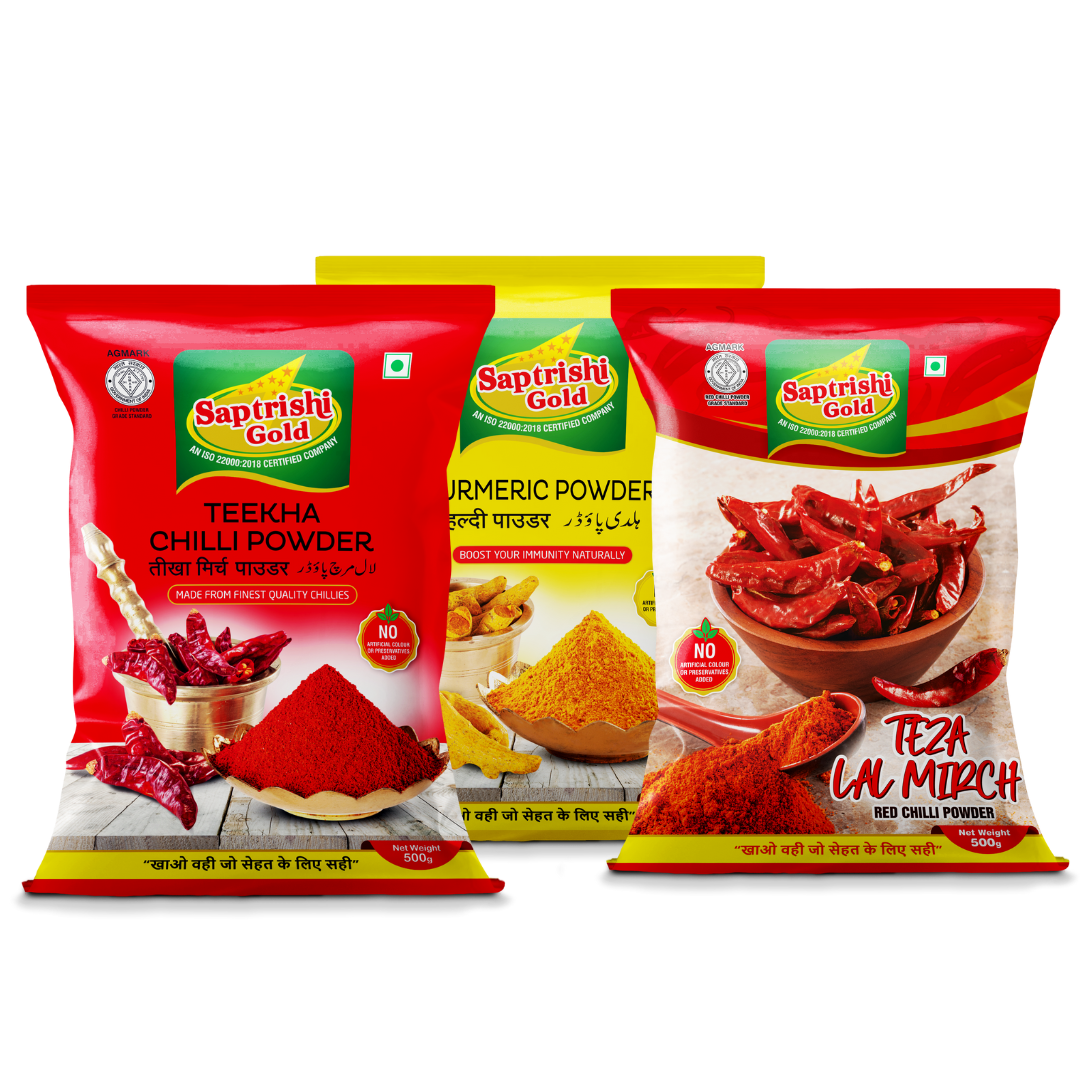
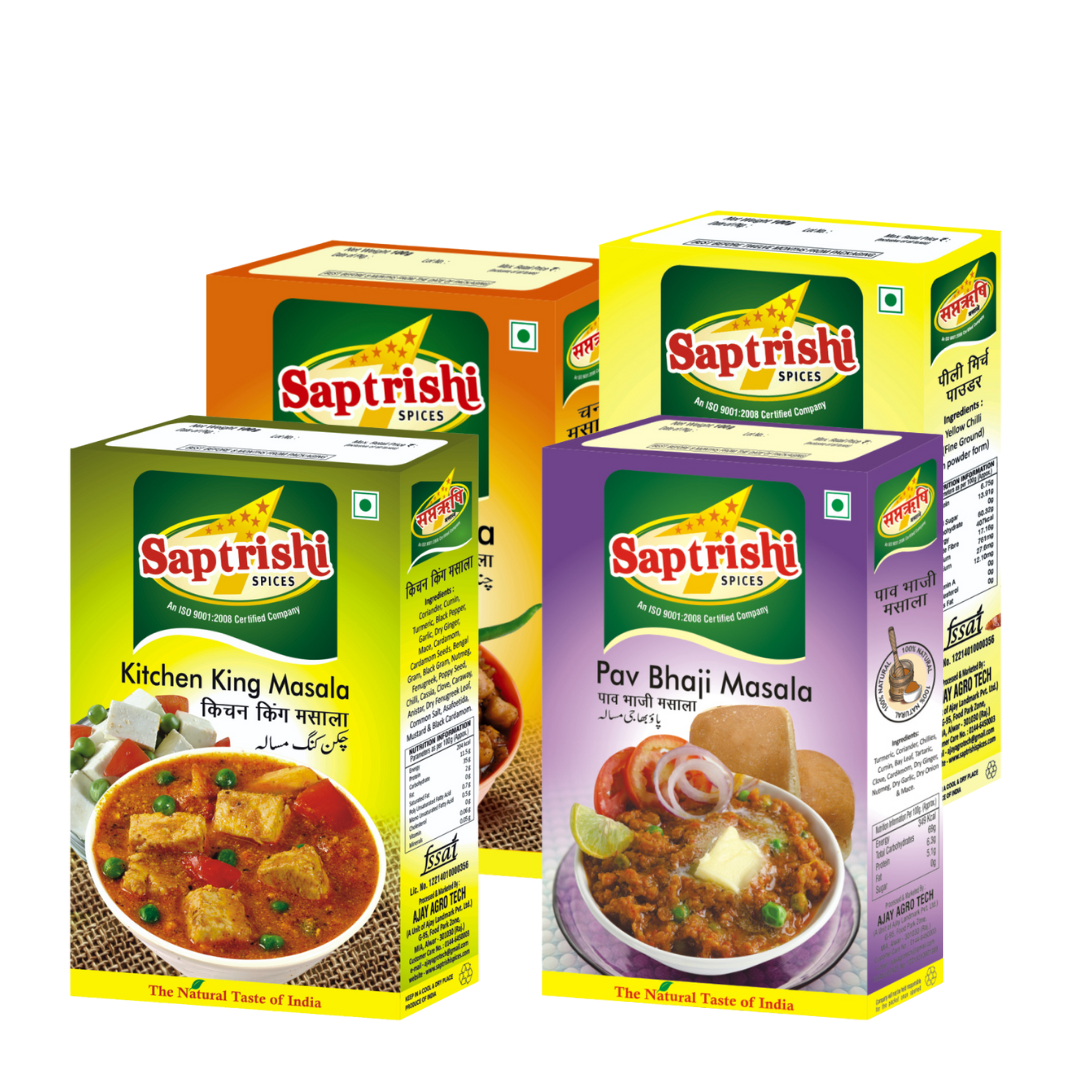
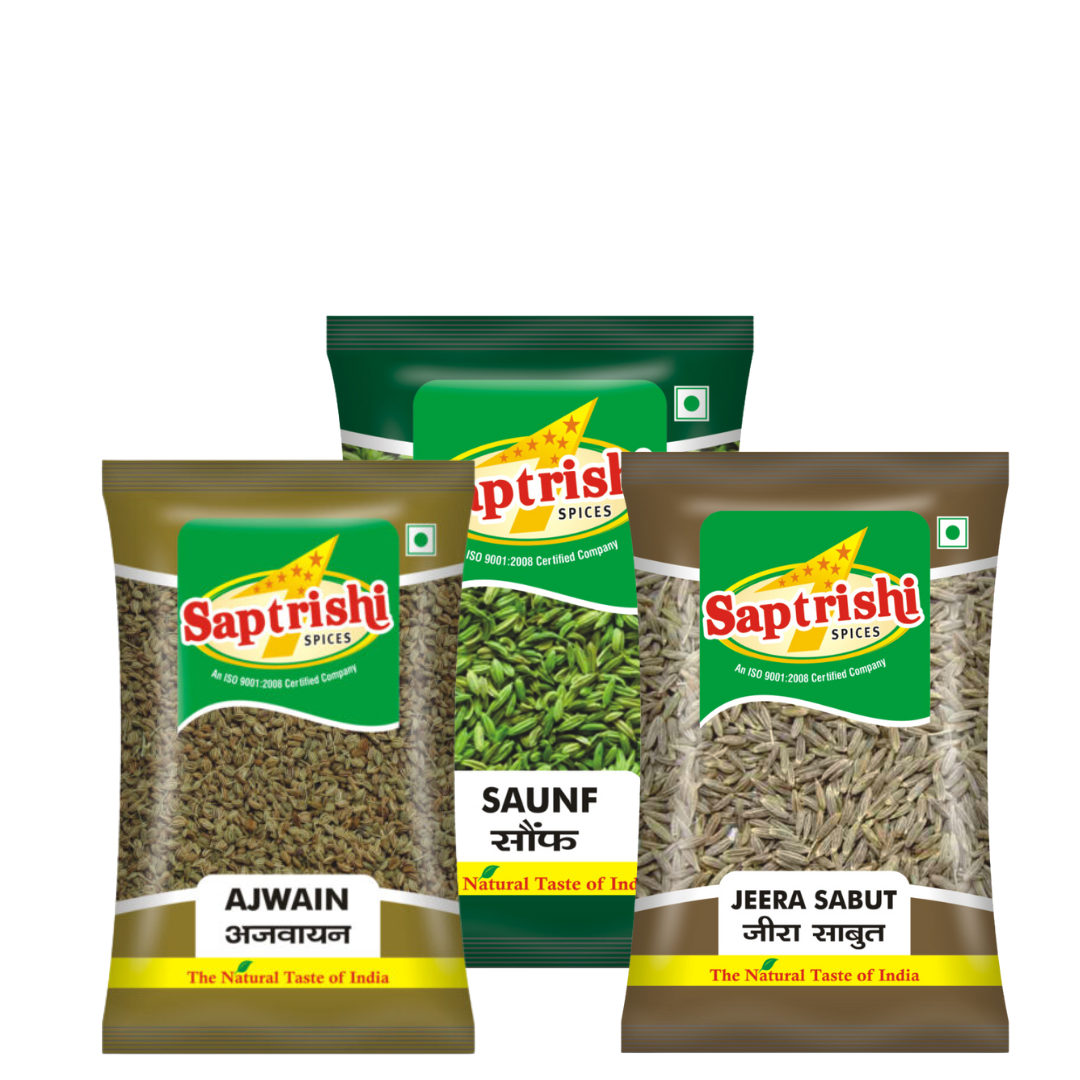
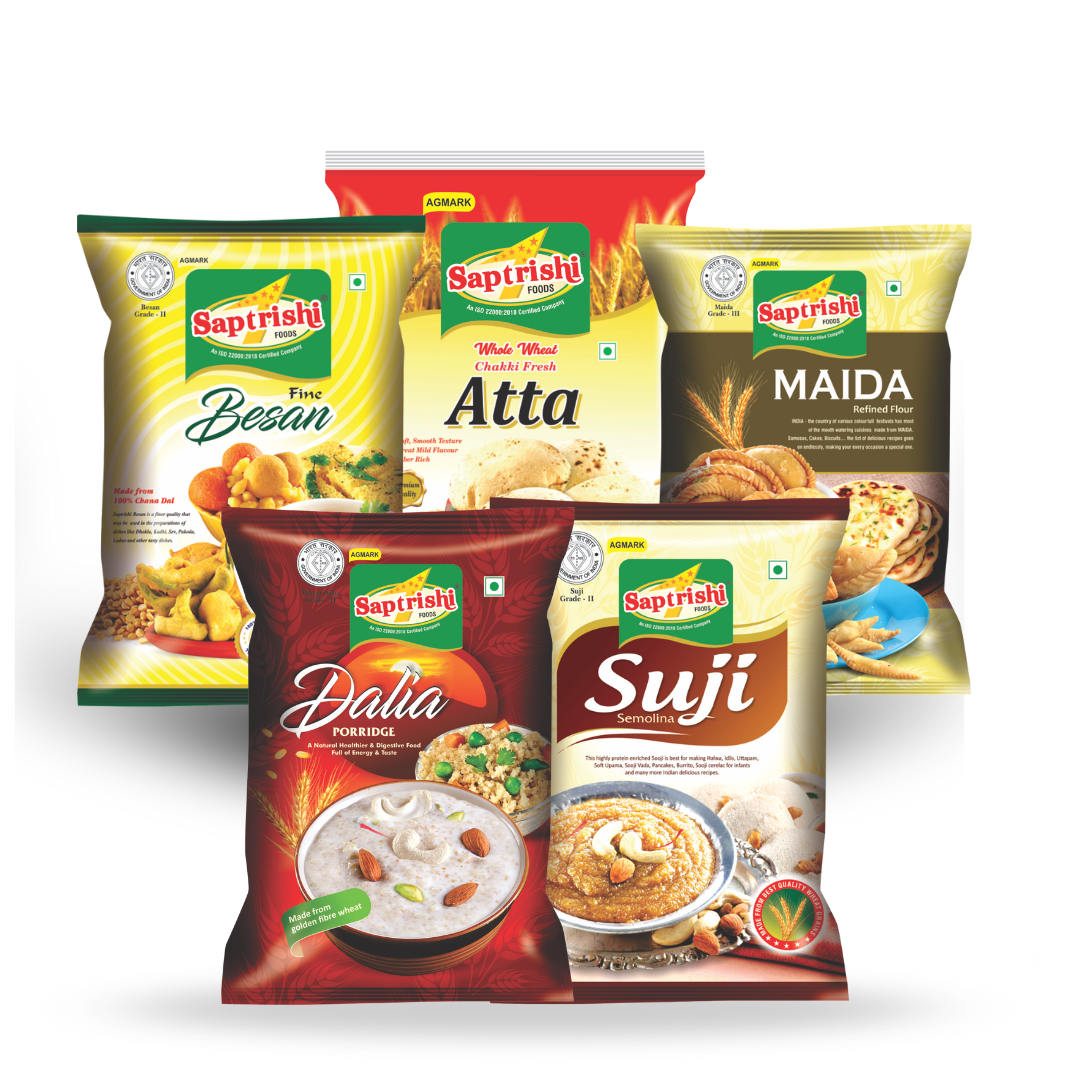
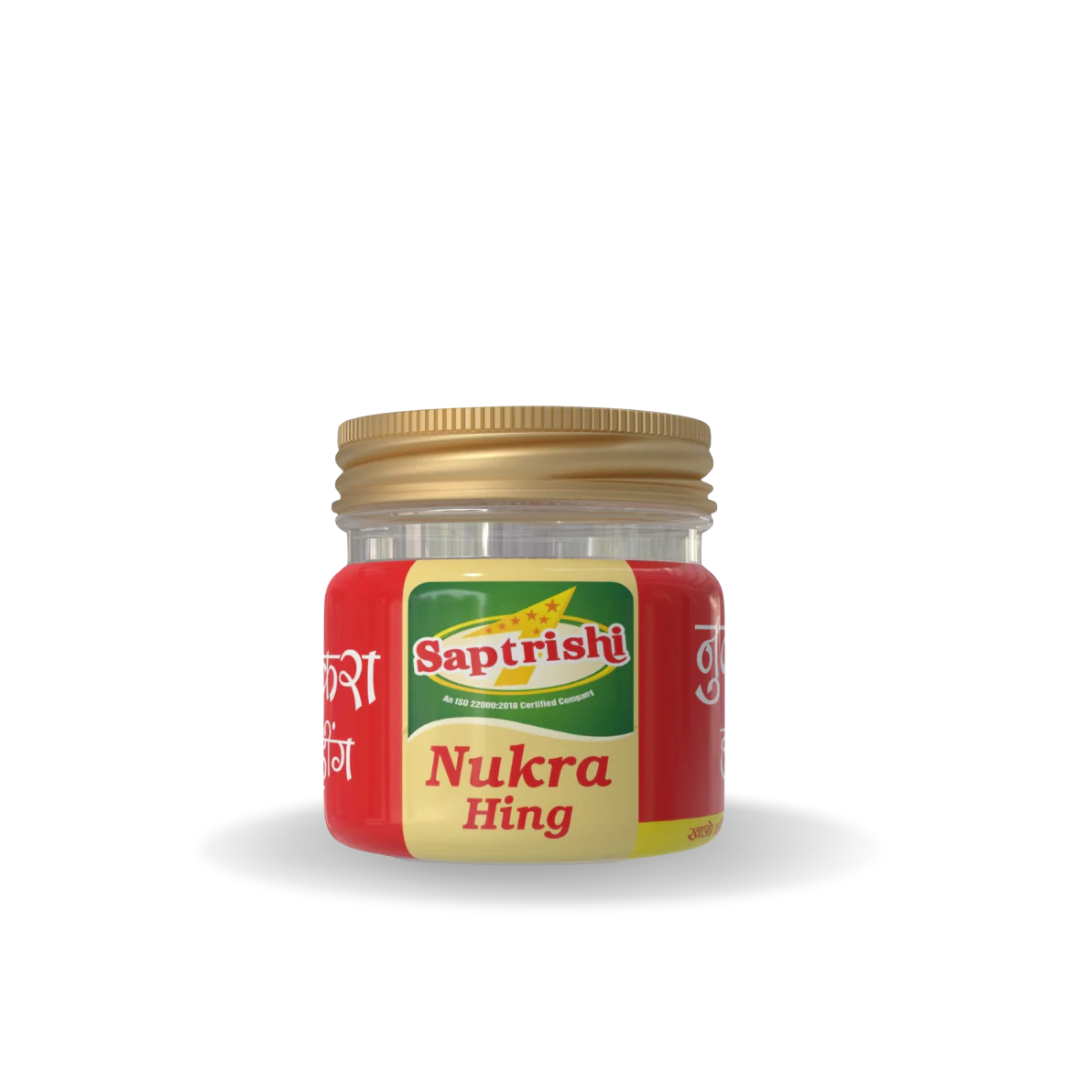
For conscious homemakers and traditional purists who refuse to compromise, Saptrishee Gold Spices LLP offers the ultimate gold standard in purity. Sourced with a meticulous farm-to-fork approach, their completely unadulterated Saptrishi Nukra Hing guarantees 100% chemical-free flavor. Backed by an unwavering commitment to lab-tested quality, you get the potent, authentic aroma necessary to elevate your regional North Indian recipes, exactly the way traditional wisdom intended.
Frequently Asked Questions
Still have queries about identifying and using the purest form of asafoetida? Here are some of the most common questions conscious buyers ask regarding this powerful spice.
Can I use nukra hing directly in my cooking?
Because it is in its raw, highly concentrated resin form, you should not add large solid chunks directly to your dish. It is best to dissolve a tiny piece in warm water first, or lightly roast and crush it into a powder before adding it to your hot oil or ghee tadka (tempering).
Why is genuine nukra hing so expensive?
Pure asafoetida is incredibly labor-intensive to harvest. It is manually extracted as sap from the roots of the rare Ferula plant, which grows primarily in harsh, cold, mountainous regions of Afghanistan and Iran. Its pure, unadulterated potency and low crop yields justify the premium price.
How long does pure hing last?
When stored correctly in a completely airtight glass or steel container, kept safely away from direct sunlight, heat, and moisture, pure crystalline hing can retain its pungent aroma and medicinal properties for up to two years.
Conclusion & Next Steps
Testing the purity of your nukra hing at home is a highly empowering step for any conscious buyer. By taking just a few minutes to perform simple checks like the flame test, the water dissolution test, or the iodine test, you can instantly detect harmful adulterants like chalk, sand, and starch. Remember, using pure, uncontaminated spices is the fundamental building block of healthy, flavorful, and authentic cooking.
Do not compromise on your family's health and taste with questionable, factory-made blends. Take the Purity Challenge today! Upgrade your kitchen pantry with authentic, lab-tested Saptrishi Nukra Hing and experience the true, powerful, chemical-free aroma of traditional Indian spices.