

Complete Guide to Spice Storage Tips (Methods & Basics)
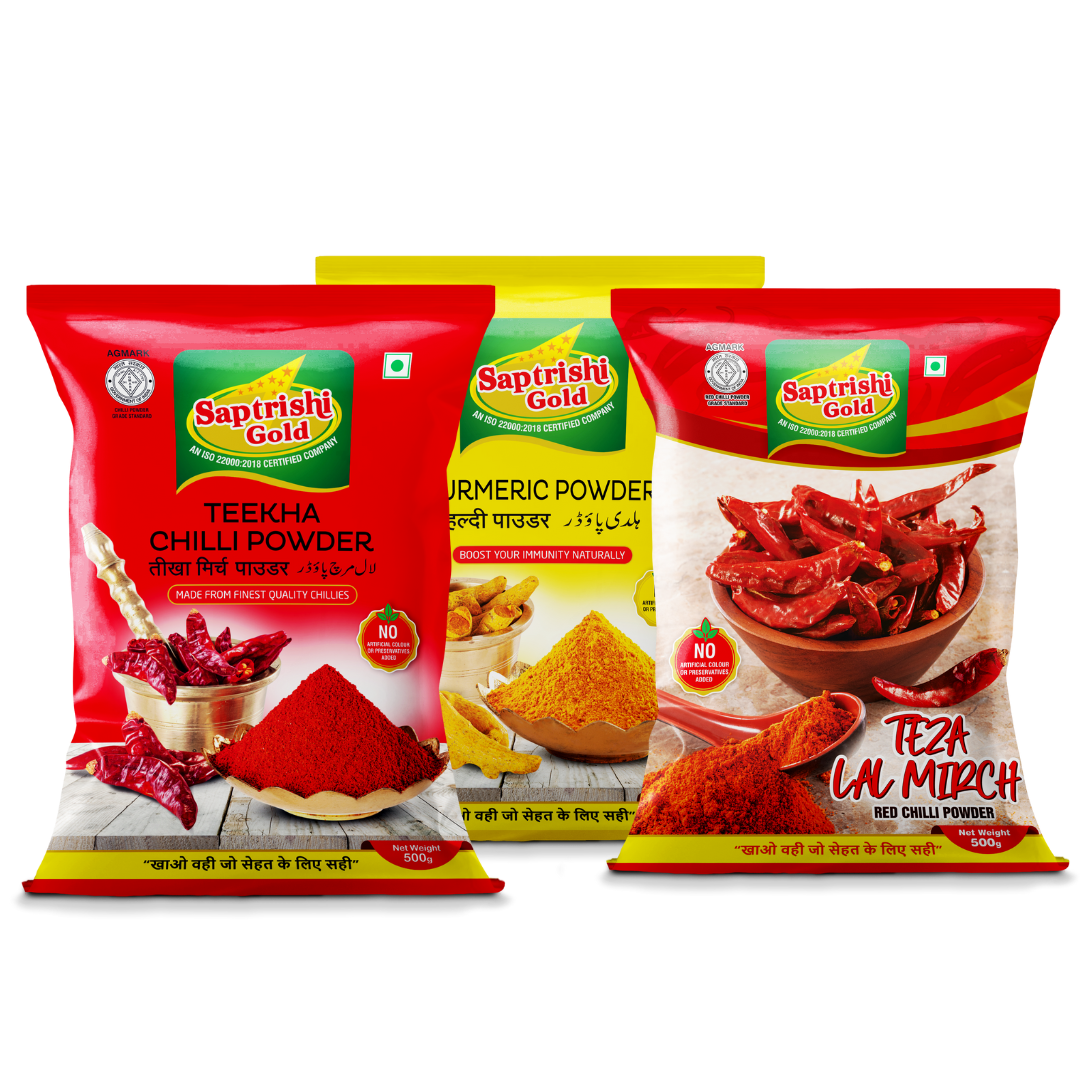
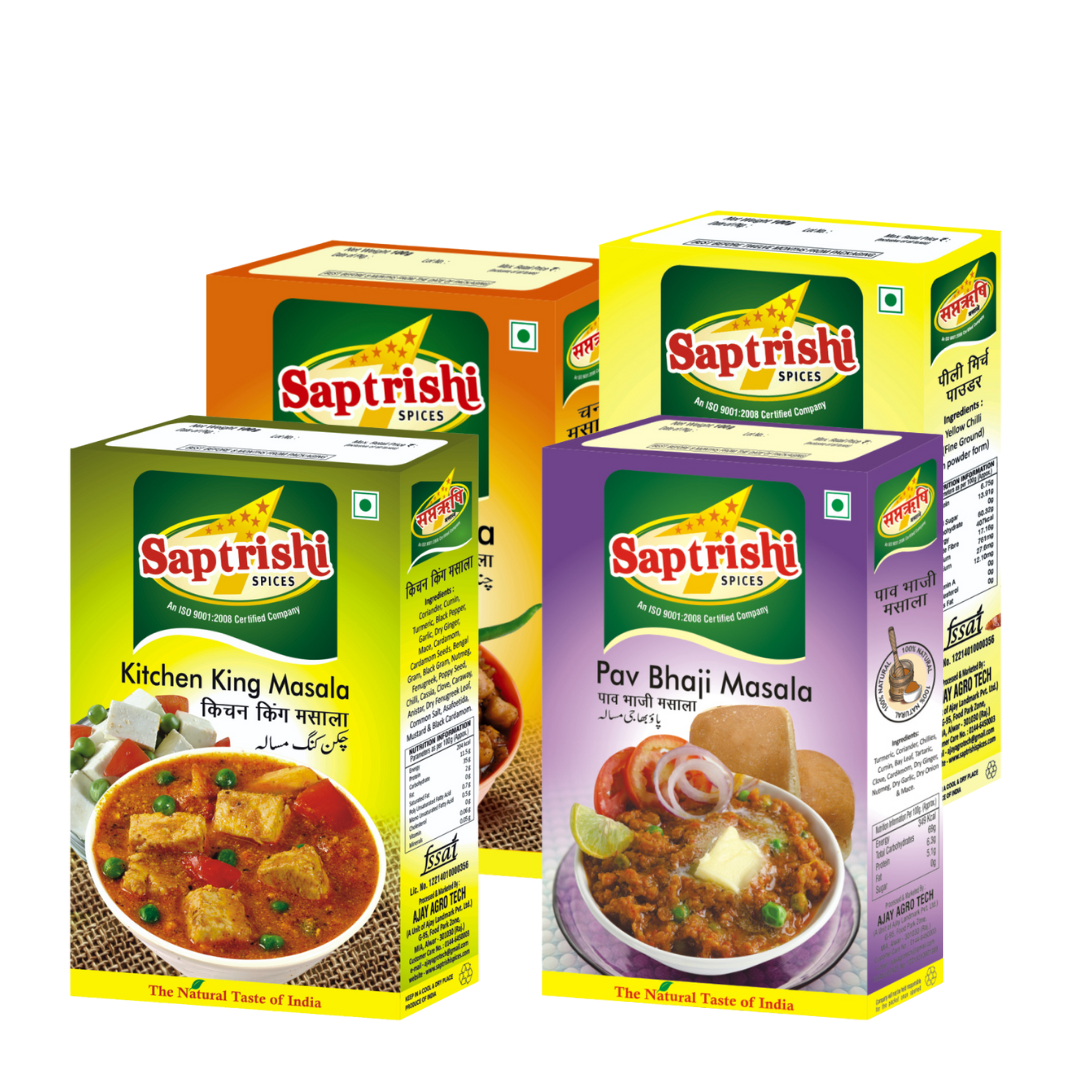
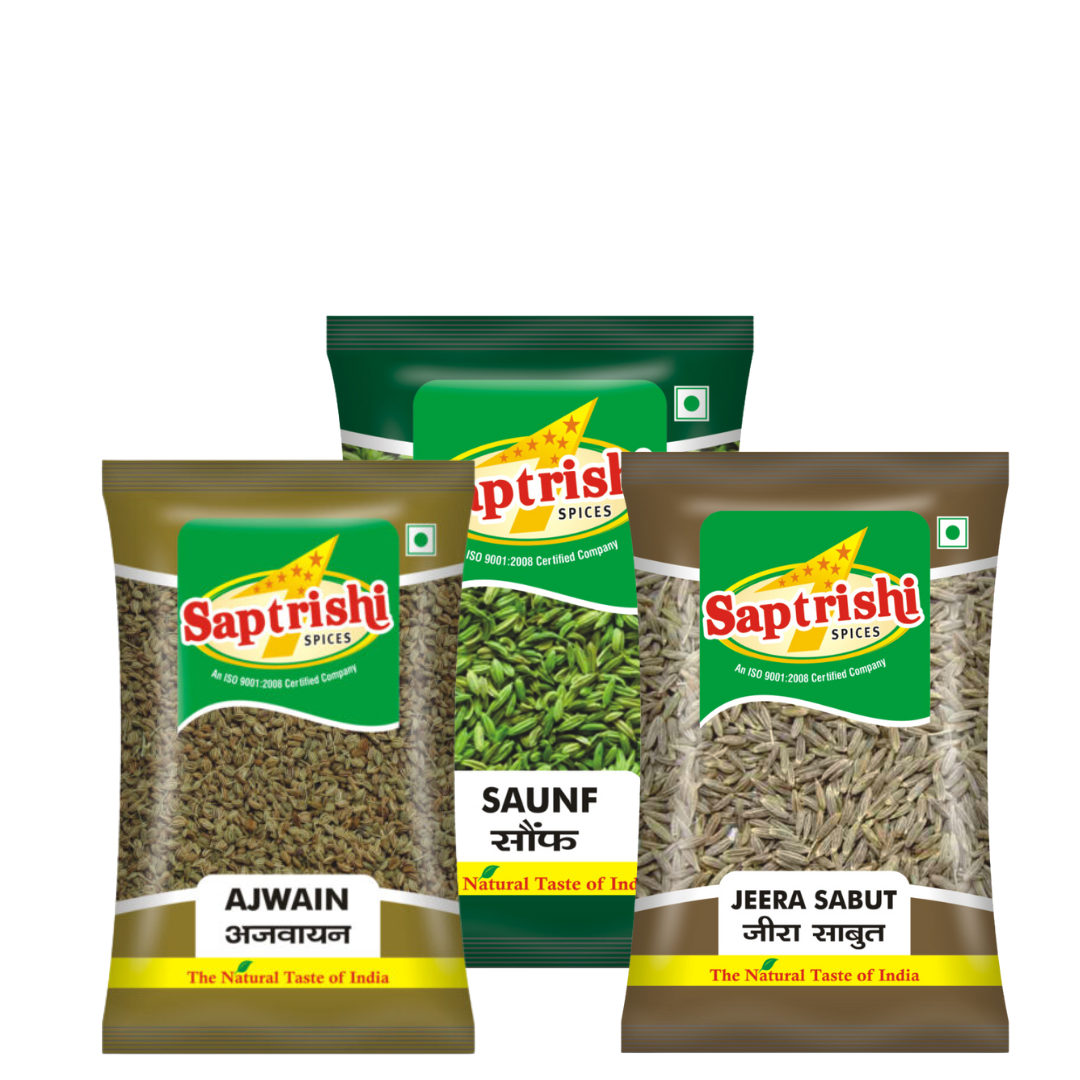
Have you ever reached for your favorite jar of turmeric or coriander, only to find the aroma has vanished and the vibrant color has faded to a dull dust? Nothing ruins a home-cooked meal faster than stale ingredients. For culinary enthusiasts and homemakers who invest in premium, chemical-free ingredients like those from Saptrishi Foods, preserving that farm-fresh potency is a top priority. Without the proper environment, even the highest quality spices can degrade rapidly, losing the volatile oils that provide their distinct health benefits and flavor profiles.
In this comprehensive guide, we will explore expert spice storage tips designed to extend the shelf life of your pantry staples significantly. Proper storage is not just about organization; it is about respecting the ingredients that nourish your family. Whether you are managing a bustling kitchen in a Tier 1 city or curating a traditional spice collection in a family home, these strategies will ensure your spices remain as fresh as the day they were ground.
Here is what you will learn in this guide:
* The science behind why spices lose their flavor.
* The four main enemies of spice freshness.
* A comparison of glass, plastic, and metal containers.
* Strategic placement in your kitchen for optimal longevity.
- Specific care instructions for delicate items like Hing (Asafoetida).

Why Proper Spice Storage Matters for Flavor
To understand how to store spices, one must first understand what makes them flavorful. Spices derive their aroma and taste from volatile essential oils. In high-quality, chemical-free products, these oils are abundant because the spices haven't been subjected to industrial over-processing. However, these oils are highly susceptible to environmental factors.
When spices are left exposed or stored improperly, these oils evaporate or oxidize. This doesn't just reduce flavor; it diminishes the medicinal properties that traditional Indian spices are prized for, such as the curcumin content in turmeric or the digestive aids in coriander. By implementing a robust storage strategy, you protect the investment you've made in your health and your palate.
Essential Spice Storage Tips to Fight the Elements
If you want to master spice preservation, you must guard against the four primary enemies of freshness: Air, Moisture, Heat, and Light. Implementing these spice storage tips is the most effective way to maintain the integrity of your ingredients.
1. Eliminate Air Exposure
Oxygen causes oxidation, which breaks down essential oils. Always ensure your containers have a tight, airtight seal. If you buy spices in bulk packets, transfer them immediately to jars rather than leaving them in open bags folded with a rubber band.
2. Manage Moisture Levels
Humidity is the silent killer of spices, causing them to cake and encouraging mold growth. Never shake a spice jar directly over a steaming pot of curry; the rising steam introduces moisture instantly. Instead, shake the spice into a spoon away from the stove, then add it to your dish.
3. Control the Temperature
Heat degrades flavor compounds rapidly. While it is convenient to keep spices next to your gas stove for easy access, the fluctuating heat from cooking will ruin them. Store them in a cool area, ideally below 70°F (21°C).
4. Block Out Light
Direct sunlight raises the temperature of the spice and accelerates oxidation through UV exposure. This is why spices stored on a windowsill often lose their color. If you use clear glass jars, keep them inside a cabinet or drawer.
Choosing the Right Containers: Glass vs. Plastic vs. Metal
The vessel you choose is just as important as the location. While plastic containers are common, they are porous and can absorb odors over time. Furthermore, plastics may leach chemicals if they are not high-grade, which contradicts the philosophy of using pure, chemical-free spices.
Glass Jars:
Glass is the gold standard for spice storage. It is non-porous, does not stain, and does not absorb odors. Airtight glass jars allow you to see the contents easily while providing a sanitary environment.
Metal Tins:
Stainless steel tins (like the traditional Masala Dabba) are excellent for blocking light and are durable. However, ensure they have a tight-fitting lid to keep air out. These are best for daily-use spices that you replenish frequently.
Plastic Containers:
If you must use plastic, opt for BPA-free, food-grade hard plastic. Avoid thin plastic bags for long-term storage as they offer little protection against air and pests.
Pro Tip for Potent Spices
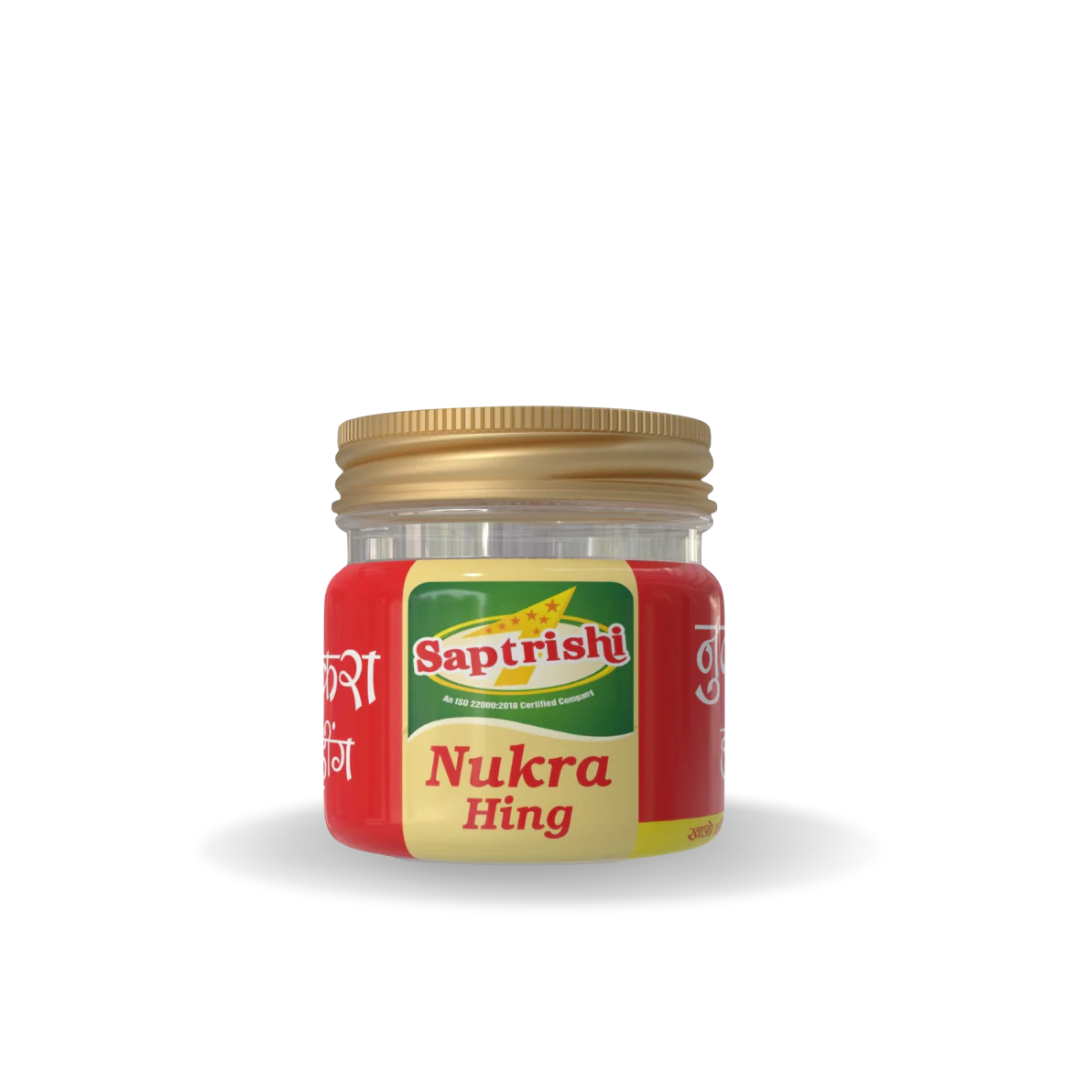
Certain spices have incredibly strong aromas that can contaminate nearby ingredients. For example, Saptrishi Nukra Hing is known for its intense potency. Such spices should always be stored in a glass jar with an exceptionally tight seal, and perhaps even placed inside a secondary container to contain the smell.

Where to Store Spices in Your Kitchen
Finding the perfect spot in your kitchen requires balancing convenience with preservation. Here are the best and worst places to keep your collection.
The Ideal Spots
* A Dedicated Drawer: A drawer away from the oven and dishwasher is often the best location. It is dark, temperature-stable, and allows for easy organization. Use drawer inserts to keep jars from rolling.
* Pantry Shelves: If you have a walk-in pantry or a cupboard located on an interior wall (away from direct sunlight), this is an excellent choice for bulk storage.
* Wall-Mounted Racks: These save counter space but ensure they are mounted away from direct sunlight and heat sources.
Places to Avoid
* Above the Stove: The heat rising from the burners will cook your spices in the jar.
* On the Windowsill: UV rays will bleach the color and destroy the flavor profile.
* Near the Dishwasher: The humidity and heat cycles from the appliance can permeate nearby cabinets.
Organizing Your Collection for Efficiency
Once you have the right containers and location, organization is key to ensuring you actually use your spices before they expire. A chaotic spice cabinet often leads to buying duplicates or using expired products unknowingly.
Labeling and Dating
Always label your jars. Since many spices look similar (like cumin powder and coriander powder), clear labels prevent culinary disasters. Furthermore, use a marker to write the date of purchase on the bottom of the jar. This helps you track freshness.
The FIFO Method
"First In, First Out" is a standard kitchen management rule. When you replenish a jar, empty the old spice into a bowl, fill the jar with the new pack, and then put the old spice on top (or use it immediately). This ensures you aren't leaving old spice at the bottom of the jar indefinitely.
If you are looking to refresh your pantry with high-quality, lab-tested ingredients, you can browse the full range of authentic spices at Saptrishi Foods Collections. Starting with a fresh batch is the best way to implement your new storage system.

Whole Spices vs. Ground Spices: Storage Differences
Not all spices age at the same rate. Understanding the difference between whole and ground spices can help you manage your inventory better.
Whole Spices:
Whole ingredients like cinnamon sticks, cumin seeds, and whole coriander retain their freshness much longer—often up to 3 or 4 years. Their outer shell protects the volatile oils inside. It is often recommended to buy whole spices and grind them as needed for the freshest taste.
Ground Spices:
Once ground, spices have a massive surface area exposed to air, leading to rapid oxidation. Ground spices typically stay fresh for only 6 to 12 months. Because of this shorter shelf life, it is crucial to buy ground spices in quantities you can realistically consume within a few months, rather than stockpiling massive bags.
Frequently Asked Questions
Can I store spices in the refrigerator?
Generally, no. The humidity in a refrigerator can cause condensation inside the spice jar when you take it out to use it. However, there are exceptions; red spices like chili powder and paprika can retain their color longer in the fridge, but they must be in absolutely airtight containers to prevent moisture absorption.
How do I know if my spices have expired?
The best test is sensory. specific aroma. Rub a small amount between your fingers and smell it. If the scent is faint or dusty, and the color has faded, it is time to replace it. Spices don't strictly "spoil" like milk, but they lose their potency and do not add flavor to your food.
Why do my spices clump together?
Clumping is a sign of moisture intrusion. This happens if the jar was not sealed properly or if a wet spoon was introduced into the jar. While the spice is likely safe to eat (check for mold), the flavor may be compromised, and the texture will be difficult to work with.
Conclusion
Proper spice storage is a blend of science and habit. By protecting your ingredients from heat, light, air, and moisture, you ensure that every meal you cook is bursting with authentic flavor. Remember to invest in airtight containers, store them in a cool, dark place, and check them regularly for freshness.
Implementing these spice storage tips honors the effort that goes into producing pure, chemical-free spices like those from Saptrishi Foods. Ready to organize your pantry? Start by clearing out the old, scentless jars and restocking with fresh, lab-tested spices that bring true nutritional value to your table.
[Shop Fresh, Chemical-Free Spices at Saptrishi Foods](https://saptrishifoods.com/collections/all)