

Let’s be honest for a second: if you are an Indian cook, your kitchen isn't complete without that little yellow box of Hing (Asafoetida). It’s the secret weapon in our Dals, the soul of our Tadkas, and the magic behind that nostalgic aroma that wafts through the house when Mom is cooking. But lately, have you noticed that the "kick" just isn't there anymore? Maybe you have to use a whole teaspoon just to get a hint of flavor? That is where the conversation about Nukra Hing vs Regular Hing begins.
If you are health-conscious or just tired of adulterated spices that taste like sawdust, you are in the right place. Today, we are diving deep into the world of pure spices to understand exactly what you are putting in your body. We will break down the differences, the benefits, and why upgrading your spice cabinet might be the best decision you make for your family's health this year.

What is Hing, Anyway?
Before we get into the battle of Nukra Hing vs Regular Hing, let’s go back to basics. Hing, or Asafoetida, is essentially dried latex (gum oleoresin) exuded from the rhizome or tap root of several species of *Ferula*, a perennial herb.
Most of the world's high-quality Hing comes from the cold, arid deserts of Afghanistan, Iran, and Tajikistan. In its rawest form, it smells incredibly potent—pungent, sulfurous, and almost overwhelming. This is why it's often called "Devil's Dung" in English, though we prefer "Food of the Gods" once it hits hot ghee!
Traditionally, Hing was used not just for flavor, but as a powerful digestive aid in Ayurveda. It balances the *Vata* dosha and helps reduce bloating and gas, which is why it’s a non-negotiable ingredient in lentil dishes and heavy curries. But here is the catch: not all Hing is created equal.
The Reality of Regular Hing (Bandhani Hing)
Most of us grew up seeing the standard yellow powder in plastic bottles. This is "Compounded Asafoetida" or *Bandhani Hing*.
Here is the truth: Raw Hing is so potent that you cannot consume it directly. It is sticky, concentrated, and difficult to grind. To make it usable (and to increase profits), commercial manufacturers mix the raw Hing with starch—usually wheat flour (Maida) or rice flour—and gum arabic.
The Ratio Problem:
In many commercial brands, the actual Hing content can be as low as 5% to 10%. The rest? Just filler flour and turmeric for color. This is why you often need to add a generous heap to your oil to get any flavor. For those with gluten intolerance, this is a hidden nightmare because that "pure spice" is actually full of wheat.
Why Do They Do It?
1. Cost: Raw Hing is expensive. Fillers make it affordable for the mass market.
2. Texture: It prevents the gum from clumping, keeping it a free-flowing powder.
3. Potency Control: It dilutes the flavor so home cooks don't accidentally ruin a dish with too much spice.
What is Nukra Hing?
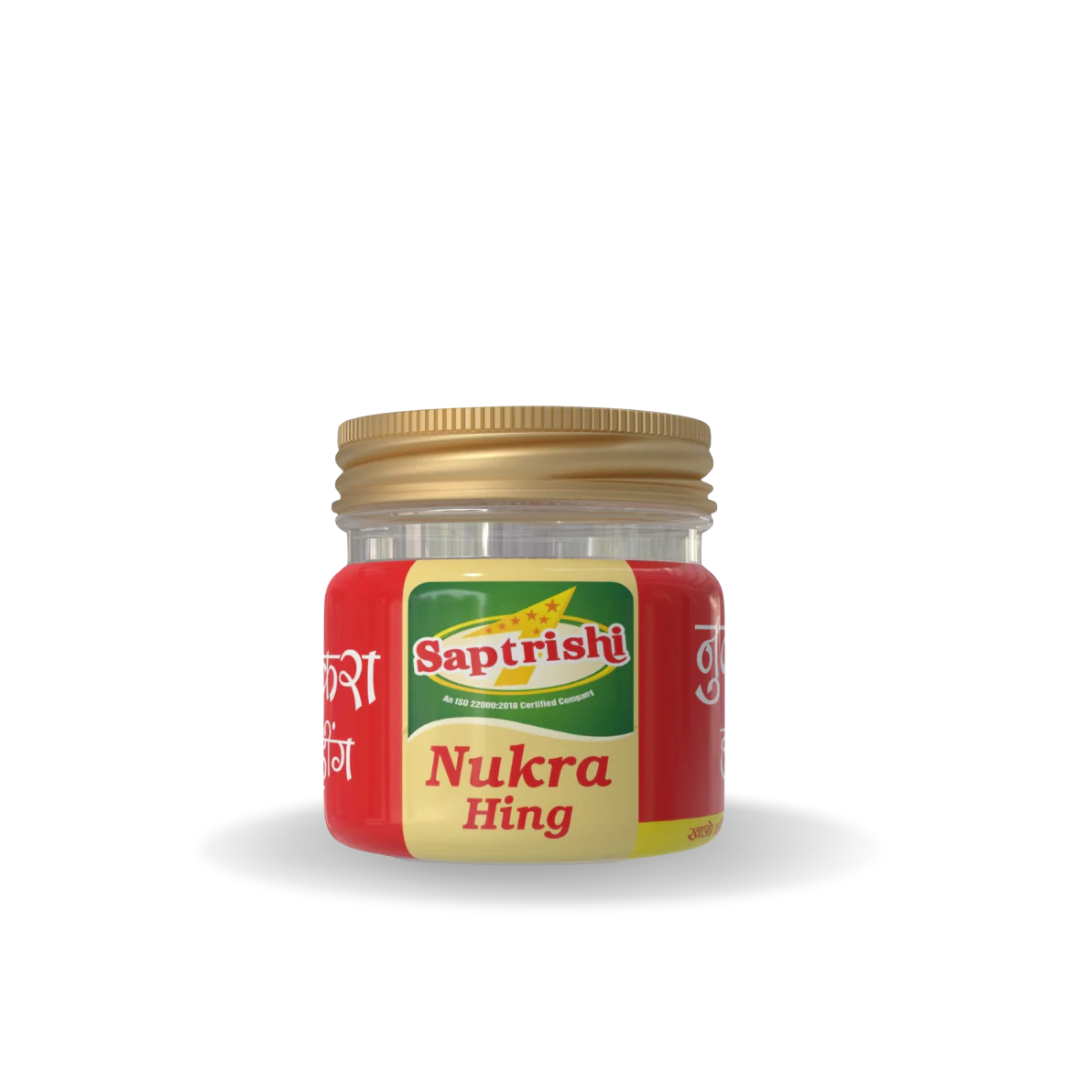
Now, let’s talk about the gold standard. Nukra Hing (also known as *Hira Hing*) is the premium, purer form of Asafoetida. It typically comes in granule or crystal form rather than a fine powder.
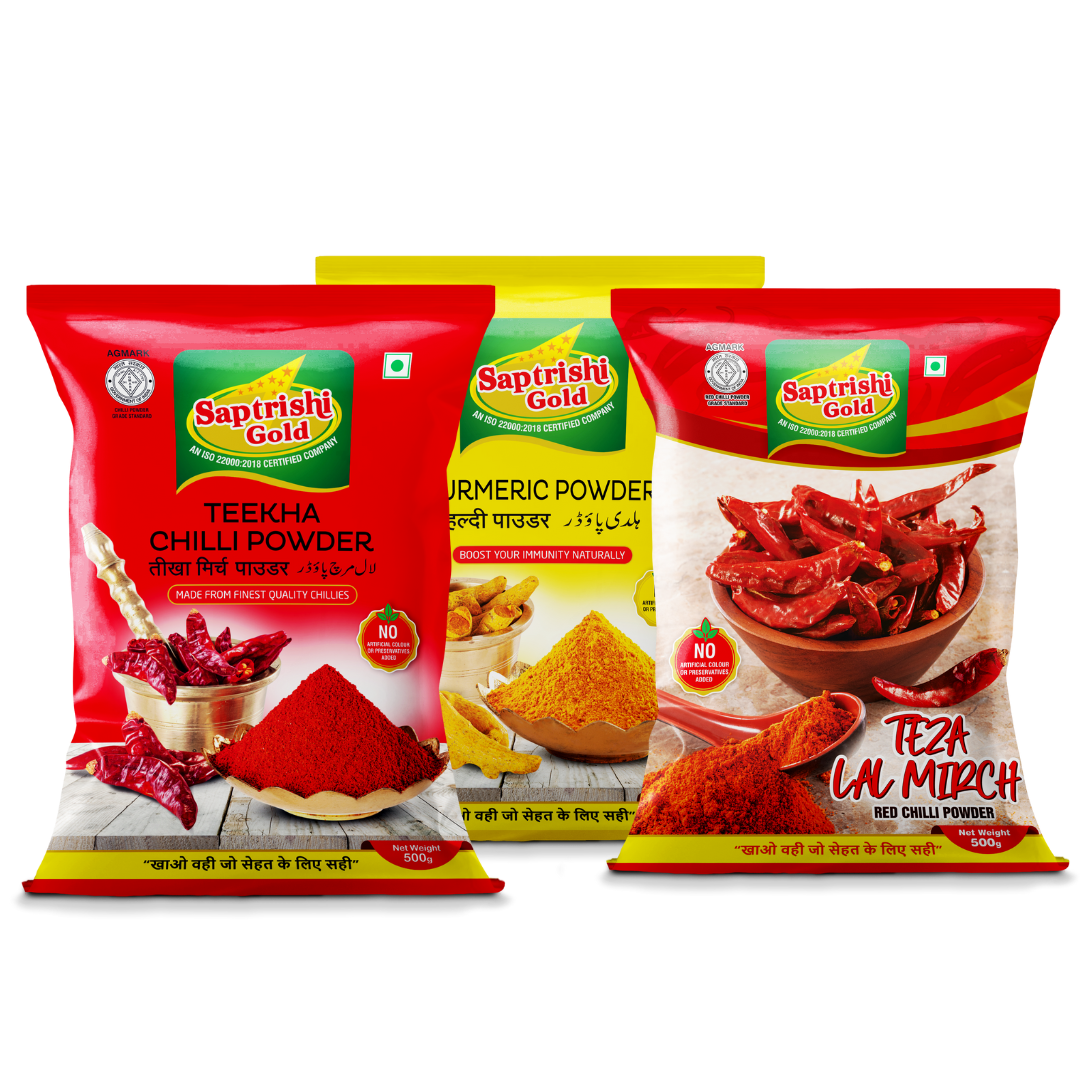
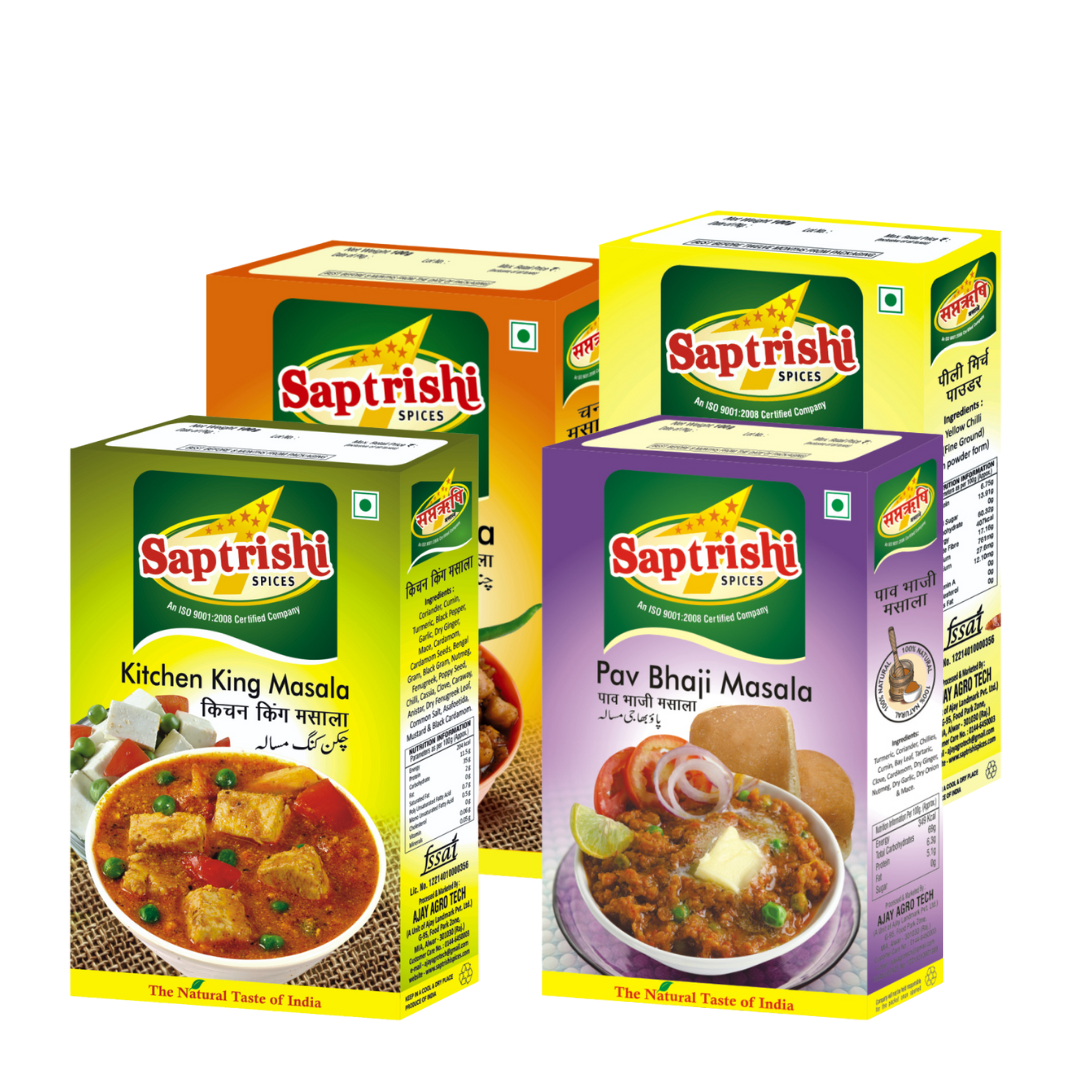
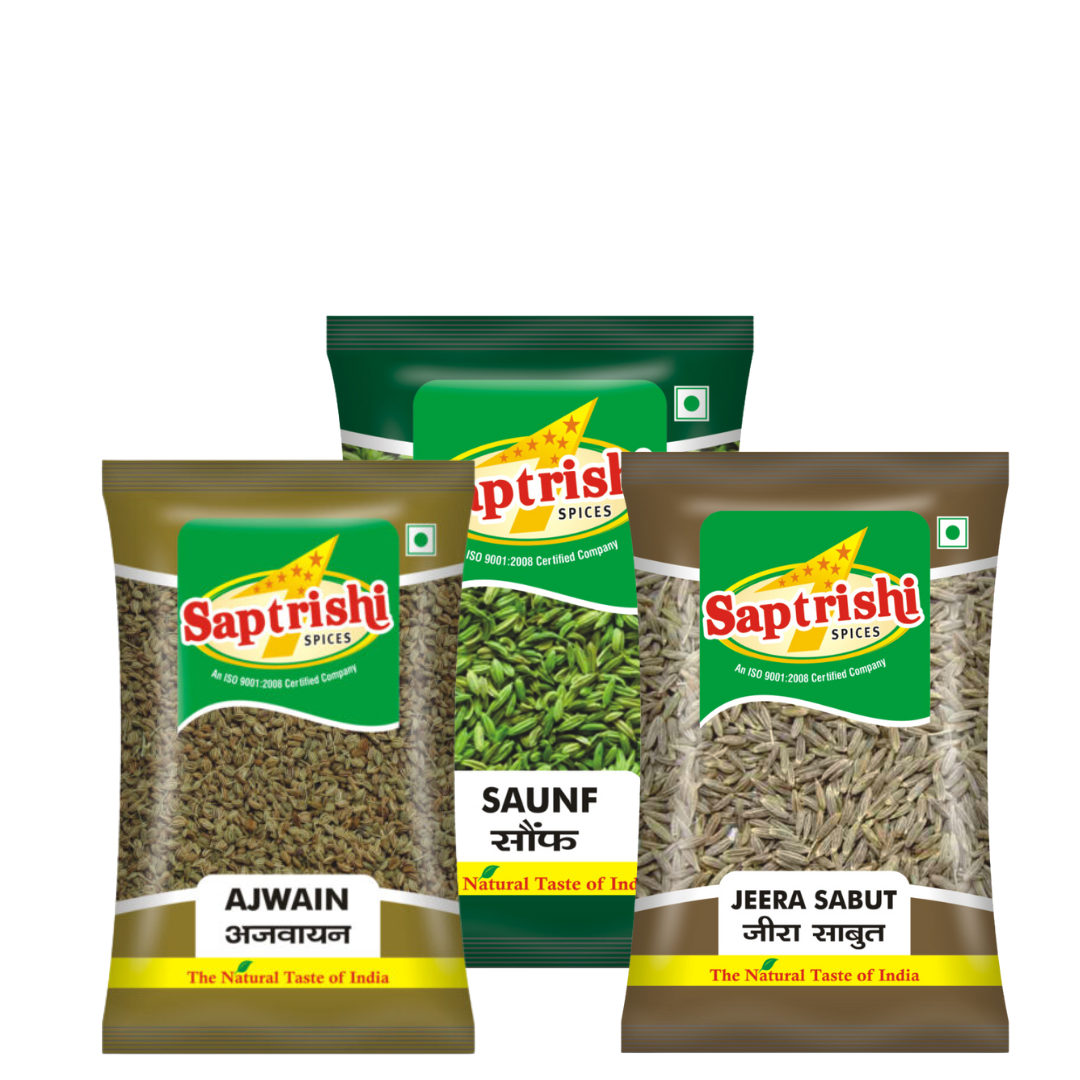
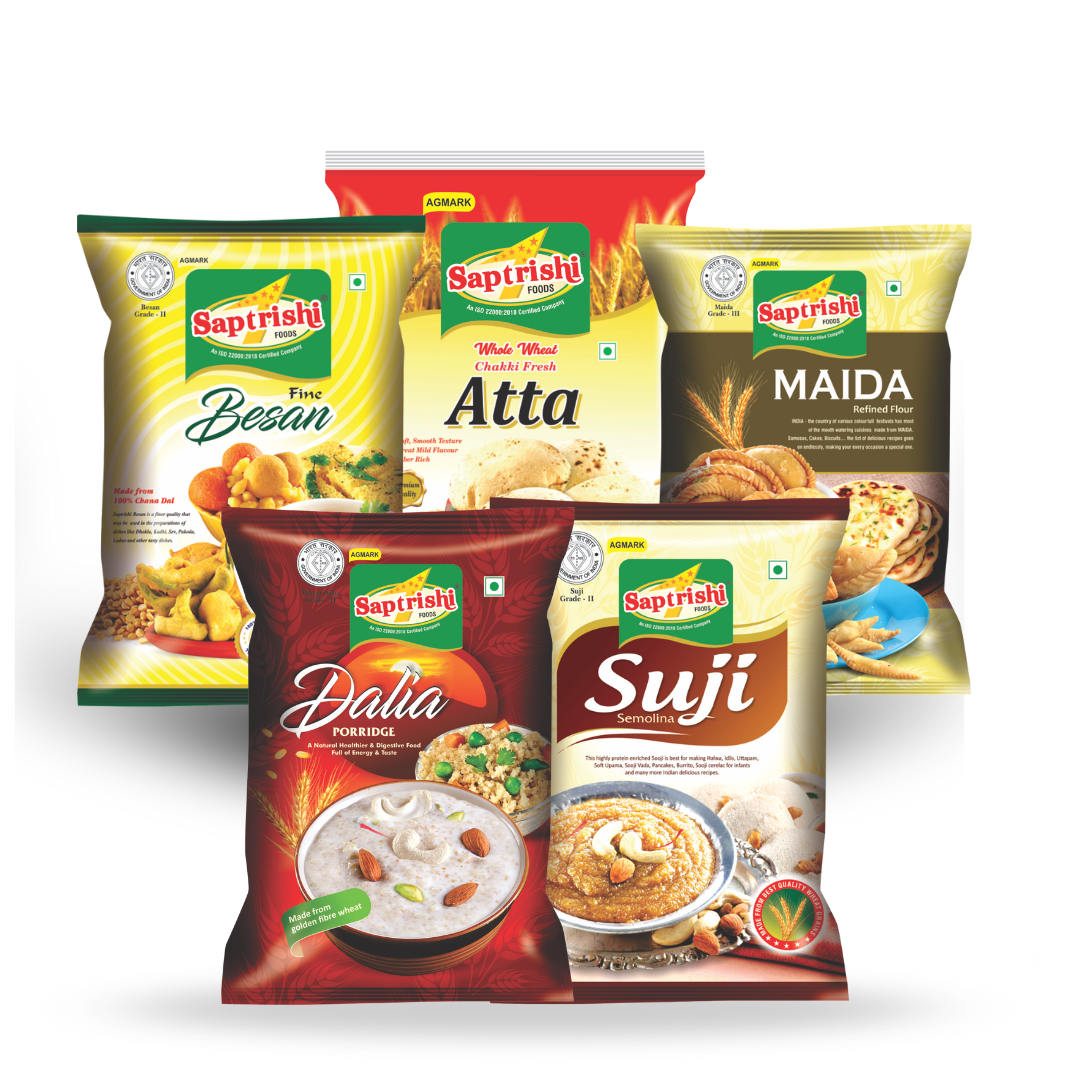
Nukra Hing is closer to the source. It is the dried resin itself, with minimal to no fillers. When you look at Saptrishi Nukra Hing, you are looking at a product that prioritizes the essential oils and natural composition of the spice.
Because it isn't heavily diluted with flour, it retains a distinct, strong aroma and a darker, more crystalline appearance. It is a favorite among traditional purists and chefs who understand that quality ingredients make quality food.
Nukra Hing vs Regular Hing: The Breakdown
Let’s compare them side-by-side to see why the shift to Nukra is happening in health-conscious kitchens across India.
1. Purity and Potency
* Regular Hing: Contains a significant amount of wheat flour (Maida) and edible gum. The actual spice content is low.
* Nukra Hing: High concentration of pure oleoresin. It is powerful. You need a pinch of Nukra to do the job of a teaspoon of regular Hing.
2. Aroma and Flavor Profile
* Regular Hing: The smell is often mild and powdery. The flavor dissipates quickly during cooking.
* Nukra Hing: The aroma is intense, sharp, and lingering. When dropped into hot oil, it releases a complex bouquet of scents that regular powder just cannot match. It mimics the flavors of onion and garlic, making it perfect for *Satvik* cooking.
3. Texture and Appearance
* Regular Hing: Fine, pale yellow powder (often artificially colored).
* Nukra Hing: Granular, crystalline, moist, and varying in color from light amber to dark brown. It looks like a natural resin because it is one.
4. Gluten Content
* Regular Hing: Usually contains gluten (Maida).
* Nukra Hing: Often naturally gluten-free (always check the label, but pure forms like Saptrishi’s are cleaner). This is a game-changer for anyone with Celiac disease or gluten sensitivity.
5. Price vs. Value
* Regular Hing: Cheaper upfront.
- Nukra Hing: More expensive per gram, BUT because you use so little, a small jar lasts months. In the long run, the value proposition is actually better because you aren't paying for cheap wheat flour.

The Health Factor: Why Purity Matters
We live in an era where "You are what you eat" has never been more relevant. With the rise of adulteration in spices—sawdust in coriander, artificial dyes in chilli—consumers are rightfully skeptical.
When you choose Nukra Hing vs Regular Hing, you are making a choice for better digestion. The higher concentration of volatile oils in Nukra Hing means more effective gas relief and anti-inflammatory properties.
At Saptrishi Foods, the philosophy is rooted in the wisdom of the "Seven Sages" (Saptrishi). The goal is to bring back the nutritional integrity of food. By using traditional grinding methods that don't generate high heat, the natural oils in the spices are preserved. You can read more about the specific benefits in our detailed post on Nukra Hing Benefits.
How to Use Nukra Hing Correctly
If you are switching from regular powder to Nukra, be careful! Do not use the same amount, or you will overpower your dish.
1. The Pinch Rule: Start with a tiny pinch (the size of a mustard seed).
2. The Water Trick: Some chefs prefer to dissolve the crystals in a teaspoon of warm water before adding it to the dish to ensure it spreads evenly.
3. The Oil Tempering: Add it to medium-hot ghee or oil. If the oil is smoking hot, the pure resin might burn instantly. Let it bloom for 5-10 seconds.
A Note on Authenticity: The Saptrishi Difference
Saptrishi Foods isn't just another factory brand. Headquartered in Alwar, Rajasthan, the brand is built on a foundation of trust and tradition. Competing against giants like MDH and Everest, Saptrishi takes a different route: transparency.
While mass-market brands focus on volume, Saptrishi focuses on the "Conscious Homemaker"—the one who reads labels. Their Nukra Hing is chemical-free and lab-tested. In a market flooded with fakes, having a product that guarantees no artificial colors or harmful additives is a relief.
Their positioning as a "Regional Premium" brand means they bring the authentic taste of Rajasthan to your kitchen. It’s the difference between a generic spice blend and one that tastes like it was ground in a grandmother’s pestle and mortar.
Simple Purity Test for Your Hing
Want to know if your current Hing is pure or full of chalk and soapstone? Try this simple home test:
1. The Burn Test: Take a pinch of Hing and burn it on a spoon over a flame. Pure Hing will burn bright like camphor. Adulterated Hing will not burn properly or will leave a black, ashy residue.
2. The Water Test: Dissolve some Hing in a glass of water. Pure Hing will dissolve and turn the water milky white (colloidal solution) without leaving heavy sediment. If you see distinct particles settling at the bottom, those are fillers (like soapstone or excess starch).
Frequently Asked Questions (FAQs)
Q: Is Nukra Hing stronger than powdered Hing?
Yes, significantly. It contains a higher percentage of volatile oils. Always use less than you think you need.
Q: Does Nukra Hing expire?
Pure Hing has a very long shelf life due to its anti-microbial properties. However, its aroma can fade if not stored in an airtight container. Saptrishi’s packaging ensures the aroma stays locked in.
Q: Can I use Nukra Hing if I am gluten-free?
Generally, yes, because it lacks the wheat flour filler found in compounded Hing. However, always check the specific product packaging to be 100% sure.
Q: Why is Nukra Hing more expensive?
You are paying for the spice, not the filler. When you calculate the cost per usage, it is often more economical because one jar lasts much longer.
Conclusion: Which One Should You Choose?
When weighing Nukra Hing vs Regular Hing, the choice depends on what you value in your cooking.
If you want convenience and are okay with a milder flavor and added wheat fillers, regular Hing is functional. But, if you are a purity seeker, a health-conscious cook, or someone who simply misses the authentic, robust taste of traditional Indian food, Nukra Hing is the clear winner.
It’s time to stop paying for wheat flour disguised as spice. Make the switch to a cleaner, more aromatic kitchen.
Ready to experience the difference? Check out Saptrishi Nukra Hing and bring the gold standard of spices into your home today. Your Dal Tadka will thank you!